




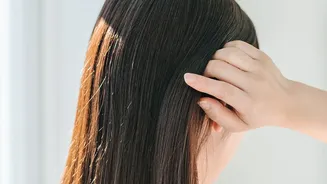
The Urban Assault on Your Hair
Every day, your hair faces an invisible onslaught. Airborne pollutants, including particulate matter, soot, dust, and heavy metals from traffic and industry, settle on your scalp and hair shafts. These particles don’t just sit there; they actively cause
damage. They can lift and erode the hair's protective outer layer, the cuticle, leading to moisture loss, roughness, and increased breakage. This process, known as oxidative stress, weakens the core protein structure of your hair (keratin) and can cause scalp inflammation, itchiness, and clogged follicles, which may hinder healthy growth. The result is hair that looks lifeless and feels coarse, no matter how well you care for it.
The Ancient Shield of Natural Oils
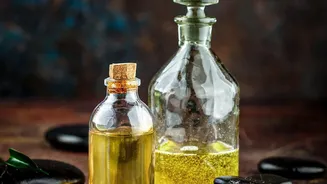
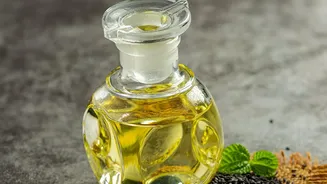
For centuries, hair oiling has been a cherished ritual in India, and it serves as a powerful defense against environmental damage. When applied before washing, traditional oils like coconut, amla, and bhringraj form a protective barrier on the hair. This barrier does two things: it prevents pollutants from latching onto and penetrating the hair shaft, and it reduces protein loss during washing. Oils are rich in fatty acids that replenish the hair's natural lipids, which are often stripped away by pollution and harsh shampoos. This helps to seal the cuticle, lock in moisture, and restore flexibility and shine, making your hair more resilient to daily wear and tear.
Amla and Bhringraj: The Antioxidant Powerhouses
Amla, or Indian gooseberry, is a cornerstone of Ayurvedic hair care for a reason. It is exceptionally rich in Vitamin C and other powerful antioxidants like tannins and flavonoids, which directly combat the oxidative stress caused by pollution. These antioxidants neutralize the damaging free radicals that weaken hair follicles and degrade hair protein. Bhringraj, known as 'the king of herbs' for hair, also possesses significant antioxidant and anti-inflammatory properties. It helps soothe scalp irritation caused by pollutants and is traditionally believed to strengthen roots and promote healthier growth by improving blood circulation to the follicles. Together, these oils don't just coat the hair; they deliver essential nutrients that fortify it from within.
Herbal Rinses: The Clarifying and Soothing Finish
After cleansing, a final herbal water rinse is a simple yet profound step to ensure your hair and scalp are free from lingering pollutant residue. This practice helps to clarify the scalp, soothe inflammation, and restore a healthy pH balance, which can be disrupted by acidic pollution. Unlike heavy conditioners that can sometimes contribute to buildup, these light infusions provide targeted benefits without weighing the hair down. They act as a final, refreshing step to calm the scalp and seal the hair cuticle, enhancing shine and manageability.
Neem and Hibiscus: Nature’s Cleansers
A neem water rinse is particularly effective for city dwellers. Created by boiling neem leaves in water, this rinse leverages neem's potent antibacterial and antifungal properties. It helps to thoroughly cleanse the scalp, remove buildup from clogged follicles, and soothe the itchiness and irritation that pollution often causes. A hibiscus rinse, made from boiling the flowers in water, offers a different set of benefits. Rich in amino acids and Vitamin C, it helps to strengthen hair roots, condition the strands, and can help reduce scalp inflammation. Using these rinses consistently leaves the scalp feeling refreshed and creates a healthier environment for hair to thrive.