





A Sudden Cosmic Flash
For years, the galaxy known as SDSS1335+0728, located about 300 million light-years away in the Virgo constellation, was unremarkable. It was just one of countless others that astronomers monitored. But in late 2019, that changed dramatically. The core
of the galaxy began to shine brighter than ever before, and it has continued to increase in luminosity ever since. This sustained brightening is unlike typical transient cosmic events like supernova explosions or even a star being torn apart by a black hole, which usually fade over weeks or months. Instead, for more than four years, SDSS1335+0728 has been 'on' and getting brighter, radiating more light across ultraviolet, optical, and infrared wavelengths. In early 2024, it even began emitting X-rays, adding another layer to the mystery.
What It Means for a Black Hole to 'Wake Up'
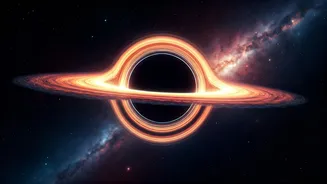
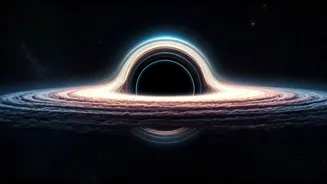
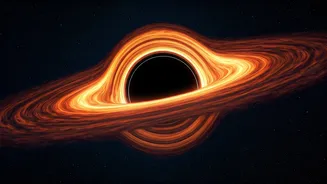
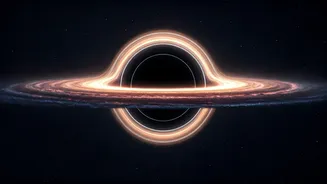
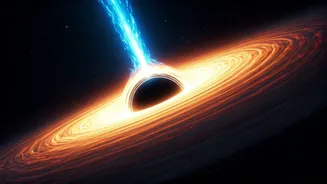
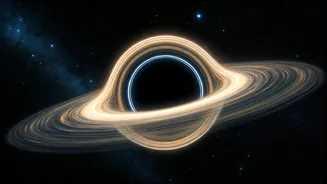
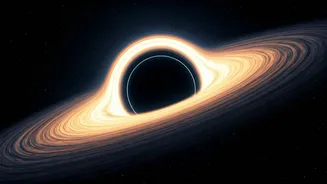
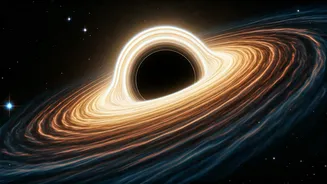
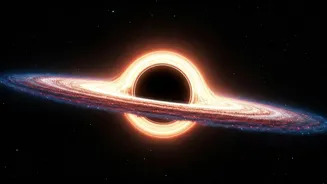
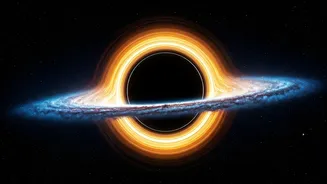
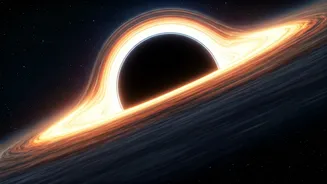
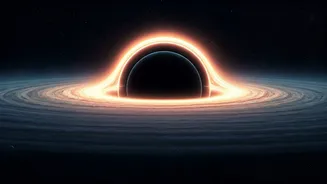
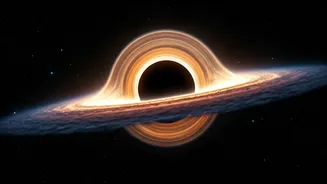
At the heart of most large galaxies, including our own Milky Way, lies a supermassive black hole with a mass millions or billions of times that of our sun. Most of these cosmic titans are 'sleeping' or dormant, meaning they are not actively feeding on large amounts of matter. When they are dormant, they are incredibly difficult to see. A black hole 'wakes up' when a large supply of gas and dust becomes available to it. As this material falls toward the black hole, it forms a swirling, superheated structure called an accretion disk. This disk becomes intensely bright, radiating enormous amounts of energy across the entire electromagnetic spectrum and transforming the galaxy's core into what is known as an Active Galactic Nucleus (AGN). This is what scientists believe they are seeing with SDSS1335+0728: the birth of an AGN observed for the very first time.
An Unprecedented Real-Time Observation
While astronomers have studied active and inactive galaxies for decades, they have never before witnessed the 'turn-on' process in real time. According to Paula Sánchez Sáez, an astronomer with the European Southern Observatory (ESO) and the lead author of the study, this event is providing valuable information on how black holes grow and evolve. By combining archival data with new observations from powerful instruments like the ESO's Very Large Telescope in Chile, the Keck Observatory in Hawaii, and space-based telescopes like Swift and Chandra, researchers have been able to document this transformation as it happens. The ongoing monitoring will help scientists distinguish between the leading theories: either a normal activation process or a very unusual, long-lasting tidal disruption event where a star was shredded.
The Galaxy Evolution Connection
This discovery is more than just a cosmic light show; it provides a crucial link to understanding how galaxies themselves evolve. The relationship between a supermassive black hole and its host galaxy is a key question in astrophysics. The immense energy and outflows from an AGN can have a profound impact on the entire galaxy. This process can heat or expel the cold gas needed for star formation, effectively regulating or even shutting down the birth of new stars. By watching a black hole switch on, scientists can directly study the 'feedback' mechanism where the central engine begins to influence its surroundings. Observing these early stages helps to refine models of galaxy formation, explaining why some galaxies are teeming with young stars while others are quiescent, and providing a richer picture of the cosmic ecosystem.