



The Unbeatable Snake Plant
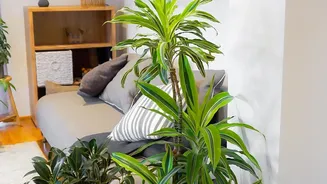
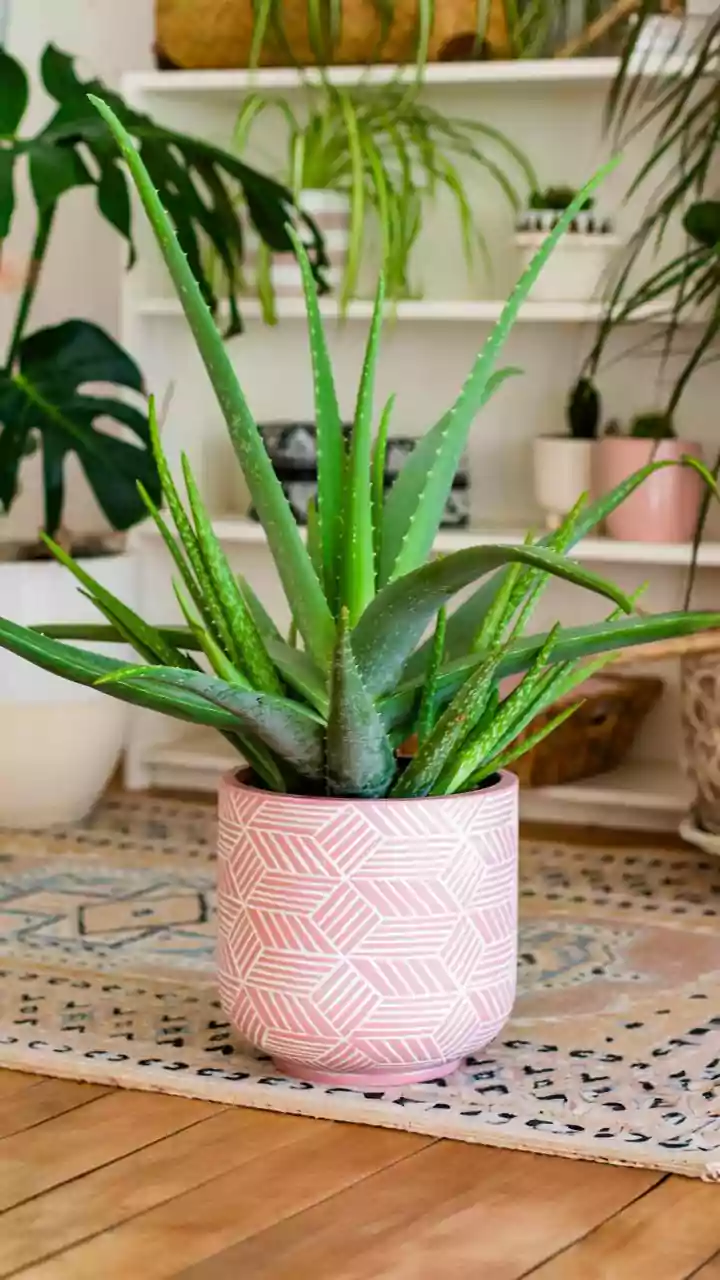
The Snake Plant, or Sansevieria, is the undisputed champion of low-maintenance gardening. Its striking, upright leaves make a modern statement in any room. During the monsoon, when sunlight is scarce and the air is thick with moisture, this plant is in its
element. It's incredibly drought-tolerant, which means the biggest mistake you can make is overwatering it. With the high humidity of the rainy season, you’ll need to water it even less—perhaps only once every three to four weeks. It thrives in low light and is also a fantastic air purifier, making your home healthier and greener.
The Nearly Indestructible ZZ Plant
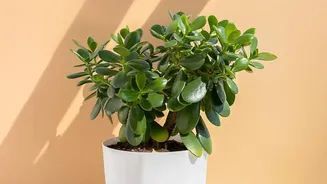
If you have a history of killing plants, the Zamioculcas zamiifolia, or ZZ Plant, is your second chance. Known for being almost indestructible, its glossy, dark green leaves look perpetually polished. The ZZ plant is a low-light powerhouse, making it perfect for those dim corners of an apartment that get even less sun during the monsoon. Its thick rhizomes store water, so it detests wet feet and is highly susceptible to root rot if overwatered. During the humid rainy season, you should allow the soil to dry out completely before even thinking about watering it again. It's a plant that truly thrives on neglect.
The Cascading Money Plant (Pothos)
Almost every Indian home has a variation of the Money Plant, and for good reason. This trailing vine, also known as Pothos, is incredibly resilient and easy to grow. It's forgiving, adaptable, and its heart-shaped leaves add a touch of cascading green to shelves and window sills. Pothos is not fussy about light and can manage well in the lower light conditions of the monsoon months. The increased humidity is something it enjoys. The main rule is to let the top inch of soil dry out before watering. Its fast-growing nature also means it’s easy to propagate from cuttings, especially during the monsoon when the air is moist.
The Prolific Spider Plant
The Spider Plant is a cheerful and forgiving houseplant, famous for its arching leaves and the little plantlets, or “pups,” that dangle from the mother plant. It is excellent at purifying the air and adapts well to a variety of conditions. During the monsoon, its ability to thrive in humid conditions and handle indirect light makes it a star performer. While it likes consistently moist soil, you must ensure the pot has excellent drainage to prevent waterlogging, which can be a real threat during the damp season. If your plant seems happy, it will reward you with plenty of baby plants to share with friends.
The Elegant Peace Lily
For those who want a touch of floral elegance without the high maintenance, the Peace Lily (Spathiphyllum) is a fantastic choice. It is renowned for its ability to bloom in low-light conditions, and its glossy green leaves are beautiful on their own. The Peace Lily loves the high humidity that the Indian monsoon provides, which helps keep its leaves lush and encourages its iconic white spathe flowers to appear. One of its best features is that it visibly droops when it's thirsty, taking all the guesswork out of watering. Just be sure not to leave it sitting in a water-logged tray.
A Few Monsoon Care Essentials
No matter how low-maintenance your plants are, the monsoon requires a few small adjustments. The number one rule is to reduce watering. With high humidity and less sun, soil dries out much slower, making root rot the biggest danger. Always check the top inch of soil; if it’s damp, wait. Ensure every pot has drainage holes. It's also a good idea to improve air circulation by placing a fan near your plants (but not directly on them) for a few hours to combat the stuffy, moist air that can encourage fungal growth. Finally, wipe down leaves with a damp cloth every week or so to keep them clean from dust and allow them to breathe freely.