



The Study At A Glance
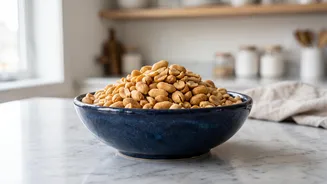
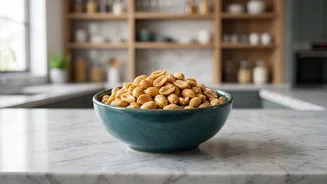
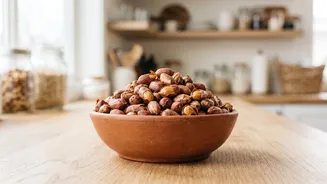
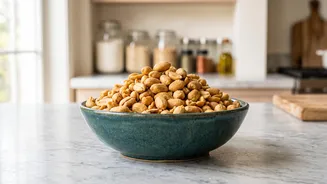
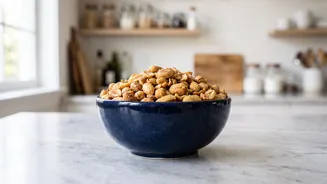
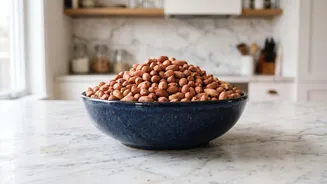
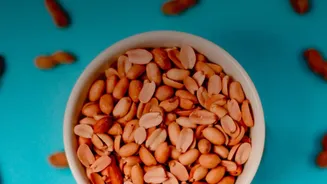
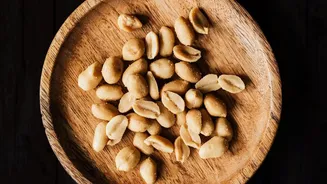
The buzz stems from a study conducted by researchers at Maastricht University Medical Center in the Netherlands. In the randomized, controlled crossover trial, 31 healthy adults between the ages of 60 and 75 consumed 60 grams of unsalted, skin-roasted
peanuts every day for 16 weeks. This is equivalent to about two standard handfuls. Participants also went through a control period where they ate no peanuts, allowing researchers to compare the effects directly within the same individuals. The study used advanced MRI techniques to measure cerebral blood flow (CBF), a key indicator of brain vascular health.
Improved Blood Flow and Memory
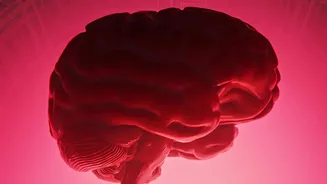
The results were notable. After 16 weeks of daily peanut consumption, participants showed a 3.6% increase in overall cerebral blood flow. More specifically, when it came to verbal memory, there was a 5.8% improvement. In practical terms, this meant participants correctly recalled, on average, 1.4 more words during a delayed memory test. Researchers suggest that the increased blood flow, which delivers essential oxygen and nutrients to the brain, could be a key mechanism behind the observed memory enhancements. Blood flow even increased in specific brain regions critical for memory functions, like the frontal and temporal lobes.
What Makes Peanuts Special?
So, what's the potential magic behind this legume? Peanuts are packed with a unique combination of nutrients that are known to be brain-friendly. They are particularly rich in L-arginine, an amino acid that helps the body produce nitric oxide, which in turn relaxes blood vessels and improves blood flow. Peanuts, especially their papery skins, are also a good source of polyphenols, including resveratrol and p-coumaric acid. These compounds have powerful antioxidant and anti-inflammatory properties, which may help protect brain cells from age-related stress and damage. The healthy unsaturated fats, vitamin E, and niacin found in peanuts further contribute to their status as a potential 'brain food'.
A Piece of a Bigger Puzzle
While these findings are exciting, it's important to place them in context. This single study does not suggest peanuts are a miracle cure for cognitive decline or a way to prevent diseases like Alzheimer's. In fact, other studies have produced more mixed results, with one 12-week trial in a similar demographic finding no significant changes in cognition. However, the Maastricht study's positive results align with a broader body of research supporting diets rich in nuts and plant-based foods, such as the Mediterranean diet, for long-term brain health. These dietary patterns are consistently linked to better cognitive outcomes in aging populations.
Practical Takeaways and Considerations
For those looking to incorporate the potential benefits into their diet, the study specifically used unsalted, skin-roasted peanuts. The skins are important as they contain a high concentration of beneficial polyphenols. It's also worth noting that the study was funded by The Peanut Institute Foundation, though the researchers state the foundation had no role in the study's design or analysis. The biggest takeaway is that adding a handful or two of peanuts to a balanced, healthy diet could be a simple and enjoyable strategy to support brain vascular function and memory as you get older. It's a promising finding that reinforces the powerful connection between what we eat and how we think.