



The Backlash Against Perfect
The pendulum of design is swinging away from the cold, impersonal perfection that dominated the 2010s. Think of the ultra-glossy kitchens, flat-pack furniture, and sterile white walls that filled design magazines. In a world saturated by smooth glass
screens and digital filters, there's a growing hunger for authenticity. This is where raw textures come in. It’s a design movement rooted in 'haptic' feedback—the feeling of touch. It’s about creating spaces that engage more than just our eyes. This shift values the beauty of imperfection, known in Japanese aesthetics as 'wabi-sabi', celebrating materials in their most honest and natural state. It’s a move towards homes that feel lived-in, warm, and deeply human from the moment you walk in.
On the Walls: A Plaster Revolution
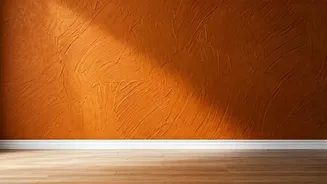
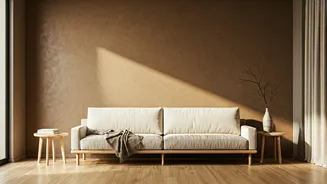
The most dramatic canvas for this trend is our walls. Flat, uniform paint is giving way to surfaces with depth and movement. Lime wash, an ancient technique using slaked lime, is experiencing a major revival. It creates a soft, chalky, and subtly mottled finish that seems to dance with the light, giving walls a painterly quality. Similarly, Tadelakt, a traditional Moroccan plaster, offers a smooth but visually textured surface that is waterproof and uniquely luminous. In Indian homes, designers are also embracing artisanal cement finishes and textured paints that mimic the look of stone or raw earth. These treatments do more than just cover a wall; they give it a soul and a story, making it a feature in its own right.
Furniture with Feeling
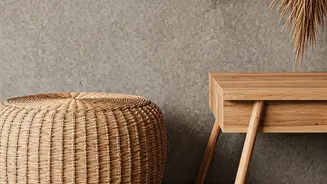
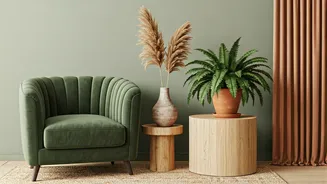
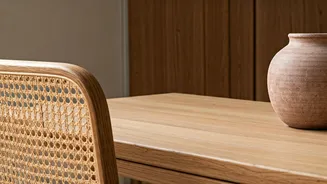
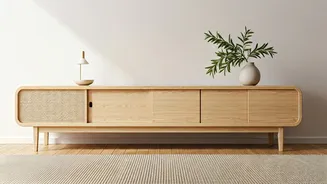
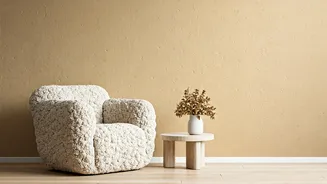
Furniture is no longer just about form; it’s about feel. The undisputed star of this movement is bouclé. This looped, nubby fabric has wrapped itself around everything from sofas to accent chairs, offering an irresistibly cosy and visually soft silhouette. It invites you to curl up and stay awhile. Beyond bouclé, we’re seeing a return to raw, unfinished, or lightly treated woods. Think dining tables with a live edge, stools carved from a single block of wood, and side tables that celebrate the grain and knots of the material. Rattan and cane, long beloved in Indian design, are also fitting perfectly into this trend, providing lightweight structure and organic texture to chairs, cabinets, and headboards. These pieces bring the outside in and connect us to the natural world.
Textiles That Tell a Story
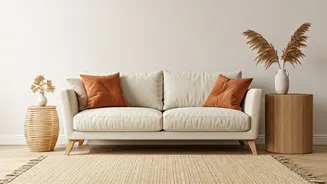
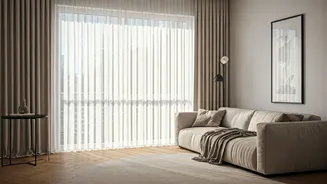
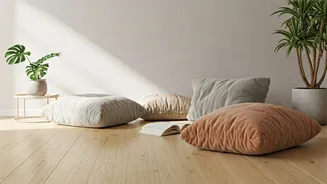
The easiest way to introduce raw textures into any space is through textiles. They are the layering pieces that add warmth, depth, and personality. Forget perfectly smooth cottons; think instead of the slubby, irregular weave of raw linen on cushions and curtains. Heavy, chunky-knit wool throws are being draped over sofas, while hand-knotted jute and sisal rugs ground rooms with their earthy, robust feel. Even traditional Indian textiles like khadi and raw silk are being re-contextualized in modern settings for their unique, hand-spun texture. These fabrics aren’t just decorative; they are functional, comforting, and add a crucial layer of sensory experience to a room. Mixing and matching these different weaves and weights is key to achieving a rich, curated look.
Bringing the Trend Home
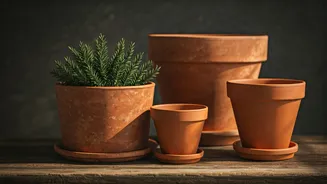
Embracing this trend doesn’t require a complete overhaul. You can start small. Swap out a few synthetic cushion covers for ones made of raw linen or hand-loomed cotton. Add a small jute rug under a coffee table or a terracotta vase on a bookshelf. Look for a wooden accent piece that isn't lacquered to a high shine. The goal isn't to create a perfectly curated 'raw' interior, but to introduce elements that speak to you and make your home feel more personal and comforting. It’s about celebrating the unique, the handmade, and the perfectly imperfect, creating a space that feels as good as it looks.