







From 'Seeing' to 'Experiencing'
Traditional tourism often pushes a 'more is more' philosophy, urging travellers to cram as many sights as possible into a short time. Climate-aware travel, however, flips this script. It encourages a mindset of depth over distance. Instead of racing between
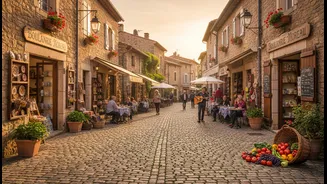
cities, the focus shifts to spending more time in fewer places. This approach, often called 'slow travel', is about moving with intention rather than urgency. It swaps the stress of a packed schedule for the calm of genuine immersion, allowing you to connect with a destination's daily rhythms, people, and culture. The goal is no longer just to collect photos of landmarks, but to collect meaningful moments and a true sense of place.
Embracing the Journey Itself
A significant portion of a trip's carbon footprint comes from transportation, especially air travel. Conscious planning often involves choosing lower-carbon alternatives like trains, especially for short to medium distances. While this choice has clear environmental benefits—a train journey can emit up to 90% less CO₂ than a short-haul flight—it also profoundly affects your itinerary's pace. Train travel turns the journey into a scenic, relaxing part of the holiday, rather than a stressful necessity. It builds breathing room into your schedule, replacing the rush of airports and security lines with the simple pleasure of watching a landscape unfold from your window. This deliberate choice slows the entire experience down from the very beginning.
Deeper Roots in a Single Place
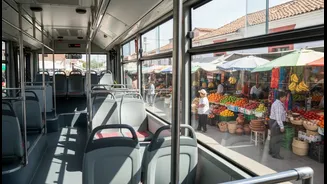
Staying longer in one destination is a cornerstone of climate-conscious travel. It directly reduces transport-related emissions by minimising the need for frequent travel between locations. But the benefits extend far beyond your carbon footprint. A longer stay allows you to move beyond the crowded tourist hotspots and discover a place's hidden gems. You can support local, family-owned businesses, contributing directly to the community's economy. This approach fosters a more authentic connection, transforming you from a mere tourist into a temporary resident. You have time to build relationships, understand local customs, and participate in daily life, whether that means shopping at a local market or finding a favourite neighbourhood café.
A Taste of the Local and Seasonal
Food is an essential part of travel, and a climate-aware approach prioritises eating locally and seasonally. This practice reduces 'food miles'—the emissions generated by transporting ingredients across long distances. More importantly for the traveller, it offers a more authentic and delicious culinary experience. Seeking out farm-to-table restaurants, browsing local food markets, and trying regional specialities connects you directly to the land and its culture. It encourages a slower, more mindful approach to dining, where meals become an experience to be savoured rather than fuel to be consumed quickly between sightseeing stops.
The Perks of Off-Peak Travel
Fighting for space at an overcrowded attraction can quickly drain the joy from any trip. Climate-aware planning often intersects with strategies to avoid overtourism, such as travelling during the shoulder season or choosing less-visited destinations. This not only eases the environmental strain on popular places but also creates a more relaxed and enjoyable itinerary for you. With fewer crowds, you can explore at a leisurely pace, engage more deeply with your surroundings, and often enjoy lower prices. It’s a simple change that can transform a stressful, hurried experience into a peaceful and restorative one, reducing travel burnout and enhancing your overall well-being.