








The Science Behind the Slump
It’s more than just a feeling. Changes in temperature, humidity, and sunlight directly affect our body's chemistry. Reduced exposure to sunlight, common during India's prolonged monsoon season, can disrupt the production of serotonin, the neurotransmitter
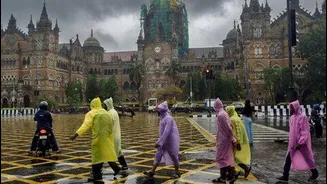
linked to feelings of happiness, and melatonin, which regulates sleep. This can lead to fatigue, sadness, and what some psychiatrists term "monsoon blues," a local variant of Seasonal Affective Disorder (SAD). Similarly, high humidity can increase feelings of discomfort and sleepiness, making it harder to concentrate. Even barometric pressure drops before a storm can make some people feel on edge, as our bodies sense the change in the atmosphere.
Heat, Humidity, and the Productivity Drain
In the workplace, the weather’s impact is tangible. Extreme heat, a growing concern across India, is a major productivity killer. Studies show that high temperatures can significantly impair cognitive functions like problem-solving and decision-making. As the body works overtime to stay cool, mental fatigue sets in, leading to more errors and reduced output, a phenomenon that affects knowledge workers just as much as those in manual labour. The monsoon brings a different set of challenges. While the rain offers relief from heat, it also causes significant disruptions. Water-logged roads, traffic snarls, and unreliable transport can increase employee stress and lead to absenteeism even before the workday begins. This daily battle with the commute can leave employees feeling drained and frustrated, impacting their focus and efficiency at the office.
The Toll on Mental Wellness
The connection between weather and wellness goes deep. The constant grey skies of the monsoon can trigger feelings of loneliness, low energy, and social withdrawal. Limited outdoor activity and being cooped up indoors can disrupt routines and increase feelings of isolation. This can be particularly challenging for individuals already prone to anxiety or depression. Moreover, the unpredictability of heavy rains and potential flooding can create a state of constant, low-grade anxiety, dubbed "flood anxiety" by some mental health professionals. This is characterized by constant worrying, difficulty sleeping, and irritability. On the other end of the spectrum, intense summer heat has also been linked to increased irritability and aggression. Some research even points to a less common form of SAD that occurs in the summer, linked to heat stress.
Practical Tips to Reclaim Your Day
While you can't change the weather, you can adapt your routines to mitigate its effects. During intense heatwaves, prioritise hydration and take regular breaks. If your work allows, consider adjusting your hours to be most productive during the cooler parts of the day. To combat the monsoon blues, maximize your exposure to natural light whenever possible, even if it’s just by sitting near a window. Sticking to a consistent routine for meals, exercise, and sleep can help stabilize your body clock. For employers, fostering a flexible environment can make a huge difference. Allowing remote work during severe weather can reduce commute-related stress and improve safety. Ensuring the indoor environment is comfortable with proper temperature control can also help employees stay focused. Finally, simple wellness practices like short walks, stretching, and staying socially connected with colleagues can help manage stress and build resilience, no matter what the weather brings.