






Rethink Your Cleanse
The first step in transitioning your skincare for autumn is reassessing your cleanser. While summer may have called for formulas that tackled excess oil and sweat, the cooler, less humid air in October means your skin produces less oil. Using a harsh
or foaming cleanser now can strip the skin of its natural oils, compromising its protective barrier and leading to tightness, flakiness, and sensitivity. Experts recommend switching to a gentle, hydrating, and creamy cleanser that removes impurities without over-drying. Look for fragrance-free products if you have sensitive skin and always use lukewarm, not hot, water to avoid further stripping moisture. The goal is a comfortable cleanse that leaves your skin feeling soft and prepared for the next steps, not tight and squeaky.
Choose a Suitable Moisturiser
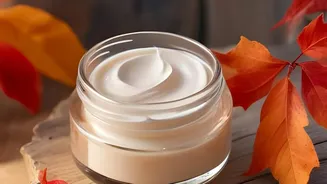
Lower humidity and indoor heating are a duo that actively pulls moisture from your skin, a process known as transepidermal water loss. Your lightweight summer lotion may no longer be sufficient to keep your skin hydrated. October is the time to consider a richer, more substantial moisturiser to lock in hydration and support your skin's barrier. For those with dry skin, a cream may be more effective than a lotion. Look for products with ingredients like hyaluronic acid, which draws moisture into the skin, and ceramides, which are lipids that help form the skin's barrier and retain moisture. If you have oily or acne-prone skin, you can still benefit from a more substantial moisturiser; just look for formulas labelled 'non-comedogenic' to ensure they won't clog pores. Applying moisturiser to slightly damp skin can also help seal in that extra hydration.
Commit to Daily Sun Protection
It's a common misconception that sunscreen is a summer-only product. Even though the days are shorter and the sun's UVB rays (the ones that cause sunburn) are less intense, harmful UVA rays remain a threat year-round. UVA rays penetrate through clouds and windows, contributing to premature ageing, wrinkles, and an increased risk of skin cancer. In fact, up to 80% of the sun's UV rays can pass through clouds. Therefore, daily application of a broad-spectrum sunscreen with an SPF of 30 or higher is non-negotiable in October. For autumn, you might consider a sunscreen with a more hydrating formula to offer both protection and a moisture boost. Making sunscreen an unskippable part of your morning routine is one of the most effective ways to maintain your skin's health and appearance throughout the year.
Beyond the Basics: Other Considerations
While cleansing, moisturising, and sun protection are the core pillars of a solid autumn routine, a few other adjustments can help. Be mindful with exfoliation; as your skin is more prone to dryness, you may need to reduce the frequency or switch to a gentler chemical exfoliant. This is also a good time to add a hydrating serum containing ingredients like hyaluronic acid before your moisturiser for an extra layer of hydration. Don't forget the skin on your body and lips, which are also susceptible to autumn dryness. A richer body cream and a protective lip balm are essential. Finally, consider running a humidifier at home to add moisture back into the air, which can counteract the drying effects of indoor heating.