








Your Skin Has an Internal Clock
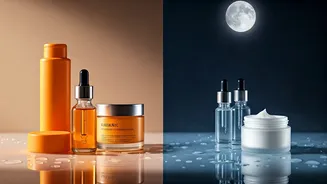
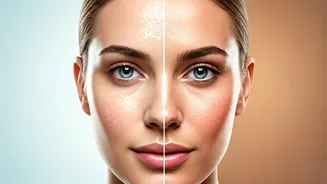
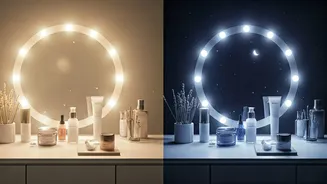
Just like your body has an internal clock that makes you feel sleepy or alert, your skin cells also follow a 24-hour cycle known as a circadian rhythm. During the day, your skin is in defence mode, working hard to protect itself from environmental aggressors
like UV radiation, pollution, and stress. But when the sun goes down and you're shielded from these threats, its priority shifts dramatically from protection to repair. This internal programming means that nighttime isn't just a time of rest for your skin; it's a critical window for healing and renewal.
The Midnight Repair Crew Arrives
The most intensive repair work happens in the dead of night, typically between 11 p.m. and 4 a.m. During this period, several key processes kick into high gear. Cell turnover, the process of shedding old skin cells and replacing them with new ones, accelerates significantly. This renewal helps to improve skin texture and tone. At the same time, your body ramps up its natural DNA repair mechanisms, fixing damage caused by sun exposure and free radicals during the day. Blood flow to the skin also increases, delivering a fresh supply of oxygen and nutrients that are essential for this regeneration process.
Collagen Production Power Hour
Collagen, the protein responsible for your skin's firmness and elasticity, is also most actively produced while you sleep. This process is driven by the release of human growth hormone (HGH), which peaks during the deep stages of sleep. Consistent, quality sleep allows your body to maximize this collagen synthesis, which helps to fight sagging and reduce the appearance of fine lines and wrinkles. Conversely, poor sleep can increase levels of the stress hormone cortisol, which can actually break down collagen and accelerate signs of ageing.
A Golden Opportunity for Skincare
One of the most fascinating things that happens at night is that your skin becomes more permeable. This means the barrier is more receptive, allowing for better absorption of topical products. However, this increased permeability is a double-edged sword: your skin also loses more moisture overnight through a process called transepidermal water loss (TEWL). This makes your nighttime routine crucial. It’s the perfect time to apply potent, targeted treatments like retinoids or peptides, as they can penetrate more effectively. It's also essential to lock everything in with a good moisturizer to combat that overnight water loss and support the skin’s barrier repair.
Your Ultimate Nighttime Action Plan
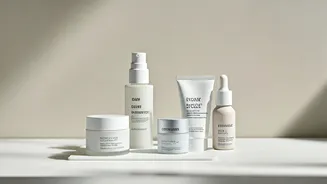
To make the most of your skin's natural nightly renewal, a consistent routine is key. Start by thoroughly cleansing your face to remove makeup, sunscreen, and impurities, which allows your treatment products to work effectively. Next, apply any targeted treatments, like a serum with active ingredients such as retinol, peptides, or hyaluronic acid. Follow this with a dedicated eye cream for the delicate skin around your eyes. Finally, seal it all in with a nourishing night cream or moisturizer appropriate for your skin type to provide hydration and support the skin barrier. Applying your products at least 30 minutes before bed ensures they have time to absorb properly.
Beyond the Bottle: Sleep and Lifestyle
While a great skincare routine is important, it can't fully compensate for a lack of sleep. Aiming for seven to eight hours of quality sleep per night is one of the best things you can do for your skin. Small lifestyle habits can also make a difference. Try to sleep on your back to avoid puffiness and sleep lines, and change your pillowcases frequently to prevent the transfer of oils and bacteria back onto your skin. Remember that consistency is more important than a complicated, multi-step routine you can't stick to.