




More Than a Player, a Phenomenon
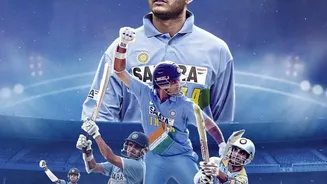
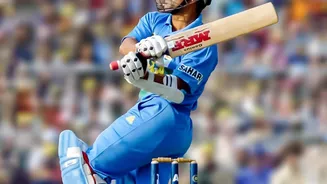
To ask if India can produce another Sachin Tendulkar is to misunderstand what he represented. The question goes far beyond the staggering statistics: 34,357 international runs and an unparalleled 100 centuries. Tendulkar was a product of a unique moment
in time. He debuted in 1989, just as India was on the cusp of economic liberalisation. As the nation opened up to the world, a 16-year-old boy from Mumbai took on the world's best bowlers with a confidence that mirrored India's own growing self-belief. For a generation of Indians, his career was the soundtrack to their aspirations. Streets would empty when he batted, and his success provided a collective joy that transcended India's complex social fabric. He was not just a sportsman; he was a cultural icon whose significance was tied to the very identity of a rising India.
The Mountain of Records
Statistically, Tendulkar set a benchmark that seems almost insurmountable. He remains the leading run-scorer in both Test and ODI cricket. His 200 Test matches represent a feat of longevity and endurance that is as remarkable as his run tally. His career spanned eras, facing legendary bowlers from Wasim Akram and Waqar Younis on his debut to Shane Warne and Glenn McGrath in his prime. But the numbers only tell part of the story. It was the context of these runs that mattered. He was often a lone warrior in a fragile batting lineup, carrying the hopes of a billion people with every innings. This pressure, which he absorbed for over two decades, is a dimension of his greatness that statistics alone cannot capture.
The Weight of the 'Next Sachin' Tag
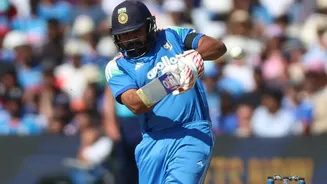
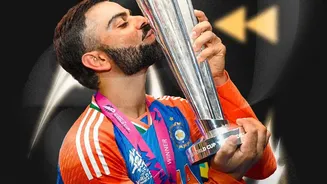
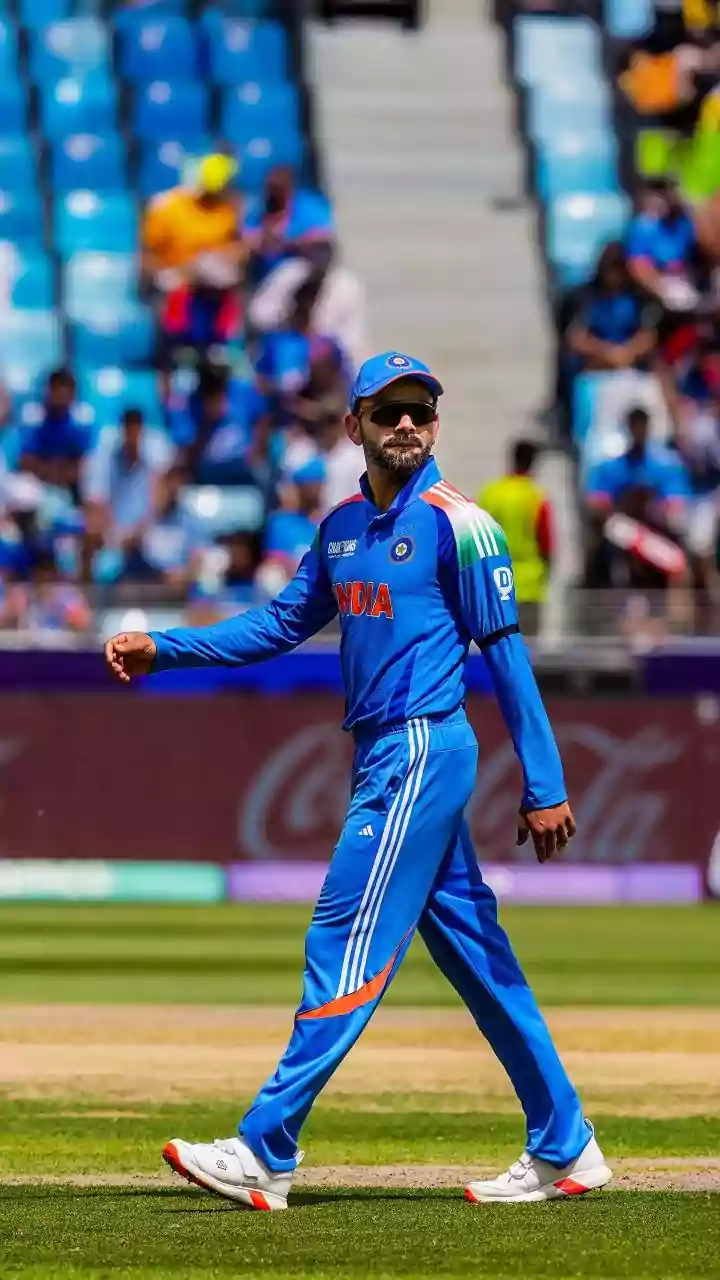
The search for the 'next Tendulkar' began almost as soon as he became a superstar, and it has proven to be a burden for many talented players. From Vinod Kambli to Prithvi Shaw, numerous prodigies have been anointed with the tag, only to struggle under the immense weight of expectation. The comparison is not merely about having a compact technique or a hunger for runs; it’s about shouldering a nation’s dreams. Virat Kohli is the only player who has come close to matching Tendulkar's statistical output and superstar status. With 54 ODI centuries, he has surpassed his idol in that format. Yet, even at his peak, the debate continued, highlighting that Tendulkar's legacy is measured by more than just on-field achievements.
A New Era, a Different Cricketer
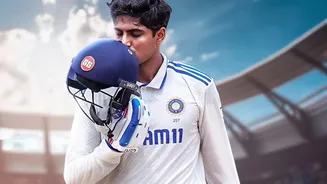
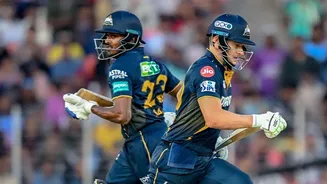
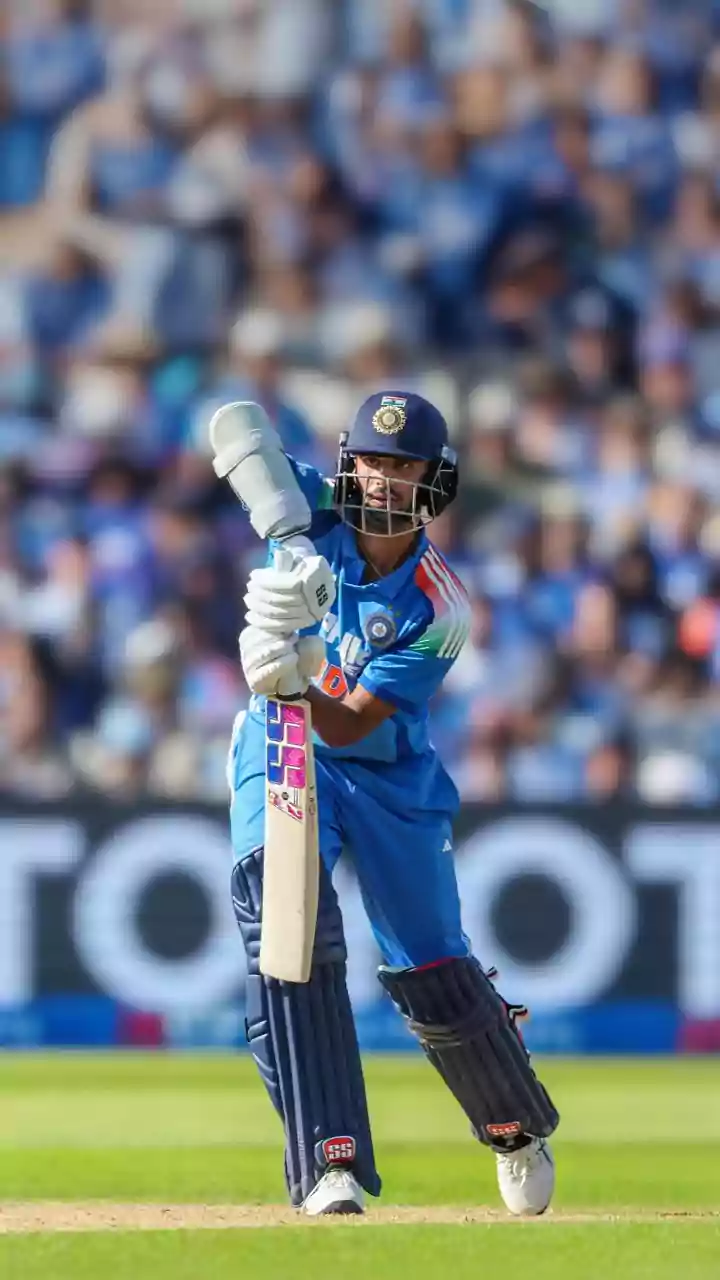
The ecosystem of cricket has changed dramatically since Tendulkar's retirement in 2013. The advent of the IPL, the demands of three formats, and the constant glare of social media create a different set of challenges for today's players. A modern great like Shubman Gill, hailed for his elegant technique and already a captain for India, is a product of this new environment. His approach is shaped by T20 cricket and a level of professionalism that is now standard. While promising young talents like Vaibhav Sooryavanshi are being carefully nurtured by the BCCI with hopes of long careers like Tendulkar's, the board acknowledges the need to manage expectations and avoid the 'one-year wonder' phenomenon. These players are not aiming to be another Tendulkar; they are the first versions of themselves, navigating a landscape their predecessor helped create but never had to face in the same way.