


The Unwanted Byproduct
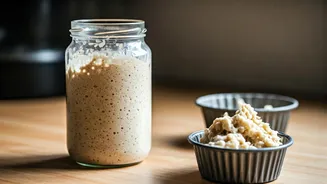
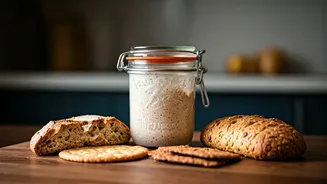
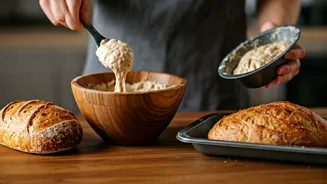
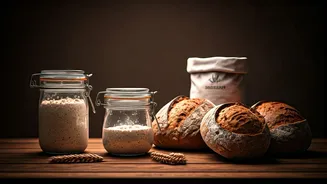
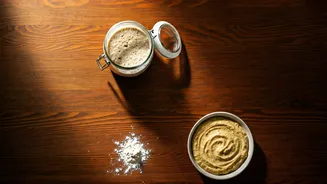
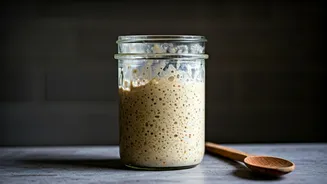
For any sourdough baker, the process is a ritual. It begins with a 'starter'—a living culture of flour and water that needs to be 'fed' regularly to keep the wild yeast active. Each feeding requires removing a portion of the starter to make room for fresh
flour and water. This removed portion is called the 'discard'. For years, many home bakers, unsure of what to do with this tangy, gloopy mixture, simply threw it away. While necessary for a healthy starter, this practice created a steady stream of food waste, a fact that sat uncomfortably with many, especially in urban environments where waste consciousness is growing.
A Pandemic-Fueled Renaissance
The 2020 lockdowns were a major turning point. With more time at home, people across India and the world turned to baking, and sourdough became a social media sensation. This baking boom amplified the discard problem, but it also occurred at a time of heightened awareness around resourcefulness and health. Faced with supply chain uncertainties and a desire for more natural foods, throwing away perfectly good flour and water felt increasingly wrong. This environment created the perfect conditions for a culinary shift, as a new wave of bakers began to ask: what if the discard isn't waste at all?
The Rise of the Discard Recipe
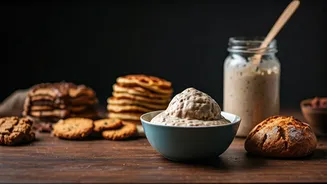
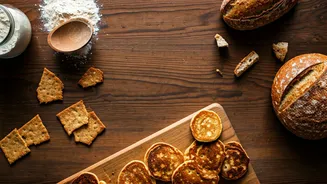
The solution came in the form of thousands of creative recipes shared across blogs and social media. Food writers and home cooks began experimenting, discovering that the discard, while not potent enough to leaven a loaf on its own, could add a delicious, complex tang to other dishes. Suddenly, discard was the secret ingredient for the fluffiest pancakes, crispiest crackers, and richest brownies. In India, this trend took on a local flavour, with inventive cooks incorporating discard into recipes for parathas, cheelas, and even jalebis, proving its versatility and connecting a global trend to traditional kitchen wisdom.
More Than Just Flour and Water
This movement is about more than just finding uses for a byproduct; it represents a fundamental shift in how we view food and waste. The principle of using the whole ingredient, long practiced in professional kitchens, found a new entry point into the urban home. Saving and using sourdough discard became a small, tangible act of sustainability. It empowered home cooks, making them active participants in the fight against food waste, which is a significant environmental issue. This change in behaviour reflects a broader trend, especially among urban consumers, towards more mindful eating and a greater appreciation for artisanal and natural foods.
The Ripple Effect in Urban Homes
The transformation mentioned in the headline is less about a measurable dent in city-wide landfill volumes and more about a powerful change in mindset. Once a person starts seeing their sourdough discard as a resource, they begin to look at other kitchen 'scraps' differently. That wilting spinach, those vegetable peels, the overripe bananas—they all become potential ingredients rather than trash. The act of saving discard builds a habit of resourcefulness. It's a gateway to a more sustainable kitchen, proving that small, individual actions, when adopted by many, can create a powerful cultural current that redefines our relationship with food.