







From Packaged Goods to Dining Destinations
Household names in India, snack giants like Haldiram's and Bikanervala are embarking on an ambitious new chapter in their global expansion. The strategy is no longer just about exporting packaged snacks to be sold in ethnic grocery stores. Instead, they
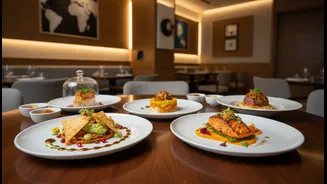
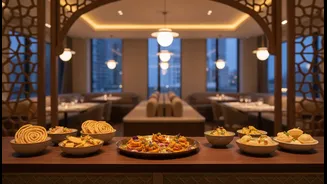
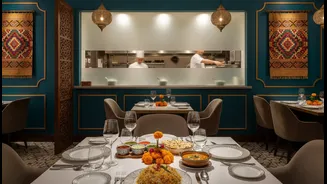
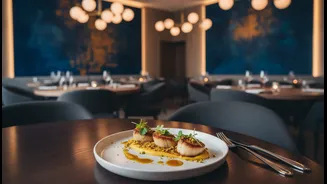
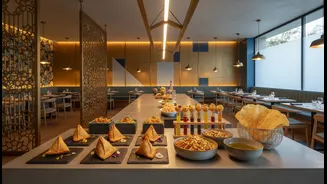
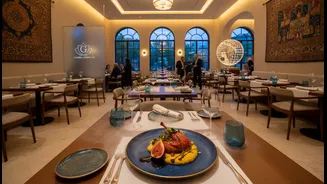
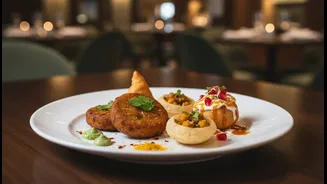
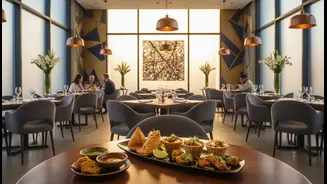
are launching full-service, casual dining restaurants in prime international locations. In June 2026, Haldiram's opened a 120-seat restaurant in London's bustling Leicester Square, signalling a significant strategic evolution from a product manufacturer to a hospitality brand. This move takes inspiration from the success of contemporary Indian restaurants, aiming to create an immersive dining experience that goes far beyond a quick bite. These are not just enlarged snack counters; they are destinations designed to shape the global perception of Indian food.
An Authentic Taste of Home
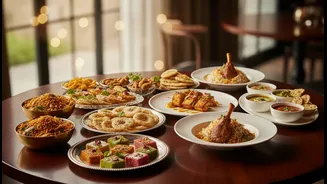
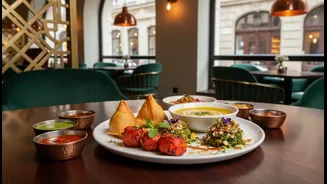
The initial and most loyal audience for these international outposts is, unsurprisingly, the Indian diaspora. For Indians living abroad, these restaurants offer more than just a meal; they provide a powerful sense of connection to their heritage. The menu often features beloved comfort foods like chole bhature and pav bhaji, dishes that evoke nostalgia and offer an authentic taste of home that can be hard to find. Brands like Bikanervala have also established a presence in UK neighbourhoods with large Indian communities, such as Hounslow and Southall, creating community hubs where diners can enjoy a traditional meal. The success of these ventures proves that while the brands are expanding globally, their foundation remains firmly rooted in serving the community that grew up with their flavours.
A Gateway for New Customers
While serving the diaspora is key, the larger, long-term goal is to win over a mainstream international audience. A restaurant serves as the perfect brand ambassador. It acts as a live, sensory catalogue, allowing curious diners to explore a wide range of Indian cuisine, from street food to regional specialities, in a welcoming environment. This strategy helps de-risk the brand for new customers. Someone who enjoys a meal at a Haldiram's restaurant is far more likely to pick up a packet of its bhujia or sweets on their next shopping trip. By moving from the ethnic food aisle to a high-street restaurant, these brands are making themselves more accessible and inviting to a broader demographic of adventurous eaters eager to explore authentic global cuisines.
The Strategic Power of Experience
Operating a restaurant offers far more than an additional revenue stream; it is a sophisticated marketing and brand-building tool. Unlike a product on a shelf, a restaurant allows a company to control the entire customer experience—from the decor and music to the service and presentation. This creates a powerful and memorable brand narrative that associates the company with quality and authenticity. Furthermore, it provides a direct channel for customer feedback, allowing brands to test new dishes and concepts before a potential large-scale packaged launch. This hybrid model, combining retail with food service, creates a virtuous cycle: the restaurant drives retail sales, and the retail presence builds brand recognition that draws people to the restaurant.
Navigating the Global Menu
This ambitious strategy is not without its challenges. The overheads of running a restaurant in a prime global city are significantly higher than exporting packaged goods. Maintaining consistent quality and authenticity across different continents is a major logistical hurdle, requiring robust supply chains and stringent quality control. There is also the delicate balance of adapting to local palates without losing the authentic spirit of the cuisine. This means catering to dietary preferences like veganism or adjusting spice levels while preserving the core recipes. However, with backing from major investors, these brands are well-equipped to navigate these complexities, signalling a new era of confidence for Indian businesses on the world stage.