





From Niche Diets to Daily Dinners
The original meal subscription model was built for a specific goal, most often weight loss. The meals were clinical, the portions restrictive, and the appeal was limited to those on a mission. But a significant shift is underway, driven by changing urban
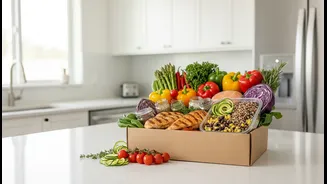
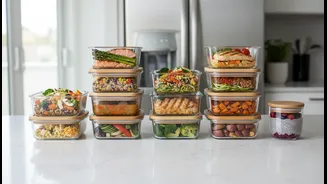
lifestyles. The modern Indian consumer, particularly in metropolitan areas, is navigating longer work hours, daily commutes, and dual-income households, leaving little time or energy for daily meal planning and cooking. This has transformed convenience from a luxury to a necessity. Meal services have responded by moving beyond rigid diet plans. Instead of just offering low-calorie options, they now provide a solution to the daily question of "what's for dinner?", positioning themselves as a practical part of everyday life for busy professionals, students, and families.
Redefining 'Healthy' for the Modern Palate
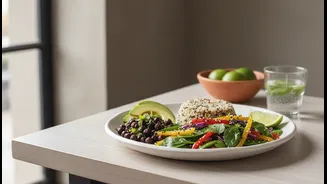
The definition of a 'healthy' meal has also broadened in the consumer's mind. It's no longer just about weight management. Today, health-conscious consumers are looking for clean ingredients, balanced macronutrients (proteins, carbs, fats), and food that caters to specific lifestyle goals, such as muscle-building for fitness enthusiasts or plant-based options for vegans. Companies like EatFit by Cult.fit have built their brand not on being a diet plan, but a lifestyle philosophy of eating right without compromise. They focus on making healthier versions of popular dishes, supplementing calories with nutrition by using whole grains, good fats, and quality proteins, and ensuring meals are balanced and flavourful. This approach removes the feeling of punishment often associated with diet food, making healthy eating a sustainable and enjoyable habit.
The Convenience of a Tech-Powered Tiffin
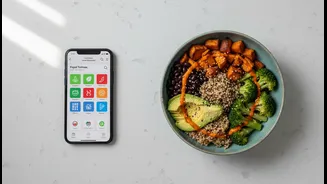
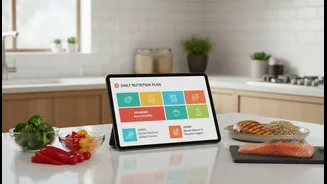
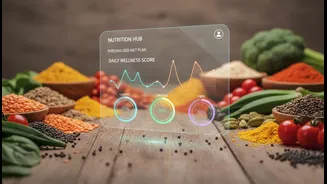
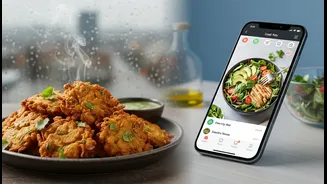
While the traditional tiffin service has served India for generations, today's meal subscriptions are its tech-savvy evolution. The core promise of a pre-planned, delivered meal remains, but it's now enhanced with a layer of digital convenience and personalization. These services are powered by cloud kitchens and sophisticated apps that allow for easy ordering, customization, and subscription management. Many platforms use technology to offer hyper-personalization, with AI-driven meal recommendations based on a user's health goals and dietary preferences. Players like HealthifyMe offer comprehensive digital ecosystems, integrating calorie tracking, nutritional consultations, and fitness plans, transforming a simple meal delivery into a holistic wellness service. This seamless integration into the digital lives of consumers makes subscribing as easy as ordering from any other food aggregator, but with the added benefit of consistent health and quality.
Local Tastes, Global Standards
A key factor in the mainstream adoption of these services is their successful adaptation to the Indian palate. Early versions of health food were often seen as bland or Westernized. Today's successful platforms understand that to become a daily habit, the food must feel familiar and satisfying. They offer healthier, thoughtfully prepared versions of Indian comfort foods, from biryani with half the calories to dal makhani made without heavy cream. These brands are not just selling salads; they offer a wide range of regional and national dishes, ensuring that customers don't have to sacrifice taste or cultural familiarity for health. This focus on localization, combined with high standards for ingredient quality and hygiene, has built trust and made these subscriptions a viable and appealing alternative to both cooking from scratch and ordering from regular restaurants.