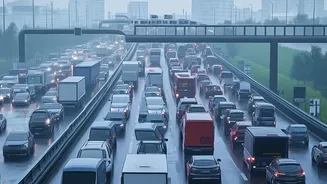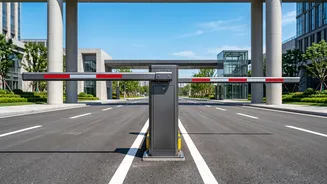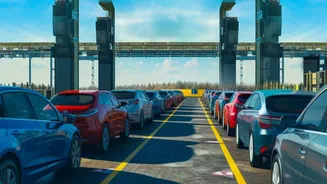

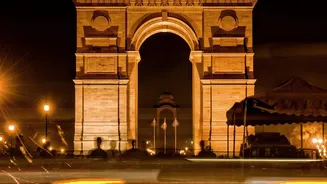
As winter approaches, Delhi is implementing strict measures to combat air pollution. From November 1, 2026, new rules will restrict vehicle entry at all border checkpoints. Here is a detailed guide to which vehicles are banned and which are allowed.
Why These Restrictions Are Being Implemented
Every
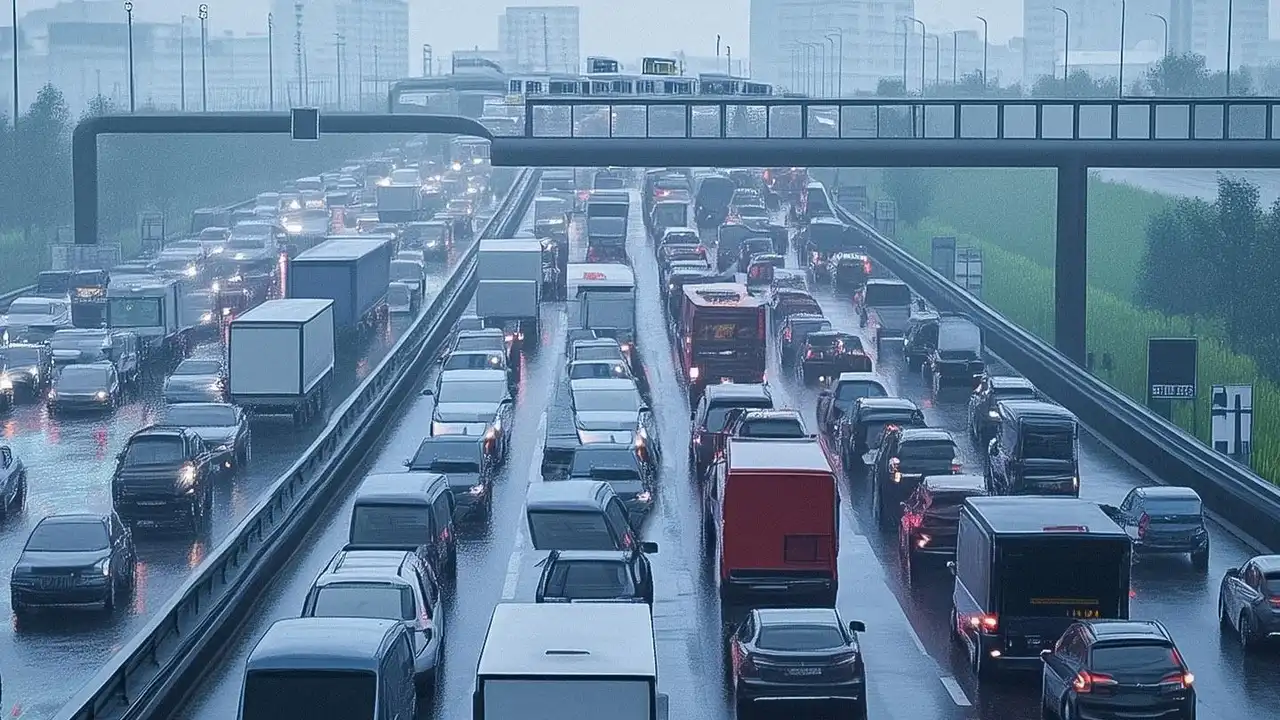
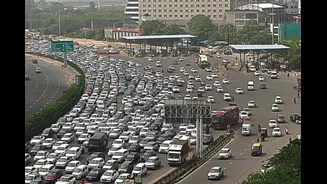
winter, Delhi and the National Capital Region (NCR) face a severe air quality crisis. As temperatures drop, pollutants get trapped in the atmosphere, leading to hazardous smog. To mitigate this, the government activates a Winter Action Plan, which includes curbs on sources of pollution like vehicular emissions. The upcoming ban, effective from November 1, 2026, to January 31, 2027, is a preemptive measure to prevent the air quality from deteriorating further. This plan specifically targets vehicles registered outside Delhi, which contribute significantly to traffic and pollution levels in the capital. An estimated one million vehicles from neighbouring cities like Gurugram, Noida, Ghaziabad, and Faridabad could be affected.
The Banned List: Non-BS-VI Vehicles
The primary rule is straightforward: all vehicles registered outside of Delhi that do not comply with Bharat Stage VI (BS-VI) emission norms are banned from entering the city. This specifically includes older petrol and diesel four-wheelers, such as those compliant with BS-III and BS-IV standards. The ban applies to both private and commercial vehicles. For instance, commercial goods vehicles like trucks that are BS-IV or older and registered outside Delhi will not be allowed entry. This is a significant change from previous years, as exemptions for some goods vehicles carrying essential commodities have been removed under the revised Graded Response Action Plan (GRAP).
The Allowed List: Exemptions to the Rule
Several categories of vehicles are exempt from this ban and will be allowed to enter Delhi. The most important exemptions include all-electric vehicles (EVs) and vehicles that run on Compressed Natural Gas (CNG). Furthermore, any vehicle, regardless of fuel type, that is BS-VI compliant and registered outside Delhi can enter the capital. Vehicles providing essential and emergency services, such as ambulances and fire tenders, are also permitted. It is important to note that vehicles registered in Delhi are not subject to this specific entry ban, although they must still comply with other city-specific pollution rules, like having a valid Pollution Under Control Certificate (PUCC) and adhering to age limits (10-year-old diesel and 15-year old petrol vehicles are banned).
How to Check Your Vehicle's Emission Standard
For commuters unsure about their vehicle's compliance, the emission standard is mentioned on the vehicle’s Registration Certificate (RC). You can check the physical card or access the details through the mParivahan mobile application. This will clearly state whether your vehicle is BS_III, BS_IV, or BS_VI. Before planning any travel into Delhi, it is crucial for owners of vehicles registered in Haryana, Uttar Pradesh, or other states to verify this information to avoid being turned away at the border.
Enforcement and Other Key Measures
The Delhi government is deploying around 300 enforcement personnel to ensure the rules are strictly followed at all border checkpoints. Enforcement will be high tech, with Automatic Number Plate Recognition (ANPR) cameras installed at entry points to automatically identify non compliant vehicles. In addition to the entry ban, other anti pollution measures are also in effect. This includes the 'No PUC, No Fuel' rule, where vehicles without a valid PUCC will not be sold petrol, diesel, or CNG at any fuel station in Delhi. Parking fees have also been doubled in many areas to discourage the use of private vehicles.