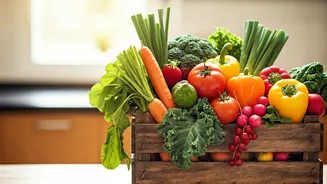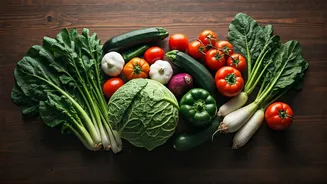







The Habit We Forgot
The habit is eating seasonally. It’s not a complicated diet, a new fad, or a restrictive set of rules. It is, quite simply, the practice of eating foods that are naturally ripe and ready for harvest at a particular time of year in a particular region.
It’s the reason our grandmothers eagerly awaited winter for sweet, red carrots (gajar) to make halwa, and why the arrival of the first Alphonso mangoes signals the true beginning of summer. For centuries, this was not a 'habit' but the default way of life. Before refrigerated trucks and global supply chains, humanity ate what the land offered, when it offered it.
Why We Lost Our Way
The modern supermarket is a marvel of logistics. It offers a dazzling array of produce from every corner of the globe, 365 days a year. Want blueberries in December or cauliflower in June? No problem. This convenience, however, came at a cost. It disconnected us from the natural cycles of our local environment. Food began to be engineered for travel and shelf life, not for peak flavour or nutritional value. A tomato picked green in a faraway country and ripened with gas in transit will never compare to one plucked from a local vine at the height of summer. We traded the wisdom of the seasons for the illusion of perpetual abundance.
The Comeback of Flavour and Nutrition
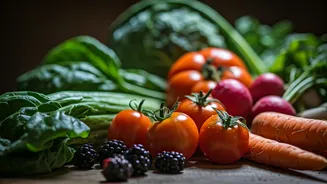
So, why the comeback? People are rediscovering a simple truth: seasonal food just tastes better. When fruits and vegetables are allowed to ripen naturally on the plant and are picked at their peak, they develop a depth of flavour and a superior texture that their out-of-season counterparts lack. That winter spinach is sweeter, that monsoon bhutta (corn on the cob) is juicier, and those summer watermelons are more refreshing. Beyond taste, there’s a nutritional advantage. Studies suggest that produce consumed in-season, close to where it’s grown, can be richer in vitamins, minerals, and antioxidants. These compounds degrade over time and with long-distance travel, meaning the freshest, most local food is often the most nourishing.
A Kinder Choice for Your Wallet
Eating seasonally is also an incredibly smart economic decision. The basic law of supply and demand is at play here. When a particular fruit or vegetable is in season, it's abundant. This glut in the market drives prices down. You’ll notice that leafy greens like palak and sarson are much cheaper in the winter, while gourds like lauki and tori are bargains during the monsoon. Choosing seasonal produce means you’re buying what’s plentiful and affordable, which can significantly reduce your grocery bills over time. It’s a win-win: you get higher quality food for less money.
How to Reconnect With the Seasons
Adopting this habit is simpler than you think and doesn't require a radical overhaul of your life. Start small: 1. **Talk to your vendor:** Your local sabzi-wallah is a treasure trove of seasonal knowledge. Ask them what’s fresh, what’s local, and what’s best right now. They’ll often point you to the most flavourful and best-priced items. 2. **Observe the market:** Take a look at what is piled high and sold everywhere. If every vendor has mountains of fresh peas (matar) or fragrant guavas, that’s a clear sign they are in season. 3. **Plan your meals around seasons:** Instead of deciding you want to make palak paneer in the middle of summer, let the season guide you. See the beautiful okra (bhindi) at the market? Plan to make bhindi masala. 4. **Try something new:** Eating seasonally encourages variety. You might discover a local vegetable you’ve never tried before simply because it’s in season and looks interesting.