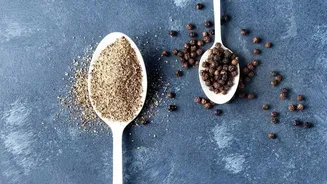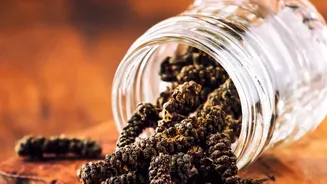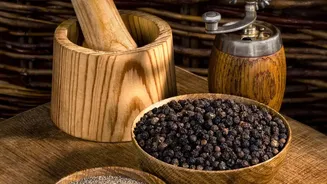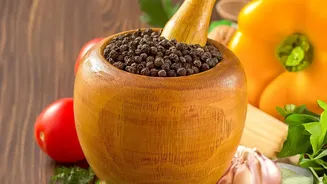

Black pepper, or kali mirch, is the king of spices in many Indian kitchens. But its high value makes it a target for adulteration. Here’s how to ensure the peppercorns in your pantry are pure, using simple tests you can do right at home.
The Common Impurities in Black Pepper
Before you start
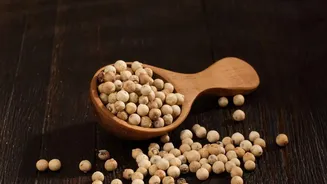
testing, it helps to know what you’re looking for. Due to its appearance and low cost, the most common adulterant found in whole black pepper is dried papaya seeds. These look strikingly similar to real peppercorns but have none of the flavour or health benefits. Other impurities can include light or hollow pepper berries, which are poor-quality and lack potency, or even a coating of mineral oil to give the peppercorns an artificial shine. For powdered pepper, the risks include fillers like sawdust or bran. Buying whole peppercorns is always a safer bet, as impurities are much harder to hide.
Test 1: The Water Float Test
This is one of the simplest and most effective tests, often recommended by the Food Safety and Standards Authority of India (FSSAI). Simply drop a spoonful of your whole black peppercorns into a clear glass of water. Pure, high-quality peppercorns are dense and will sink to the bottom. Common adulterants like papaya seeds and hollow, low-quality berries are lighter and will float on the surface. If you see more than just a few peppercorns floating, your batch may be adulterated. Give the glass a minute, as some real peppercorns might trap air initially before sinking.
Test 2: The Visual and Crush Test
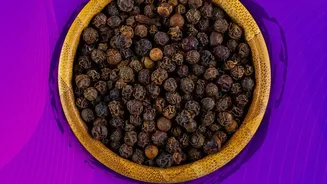
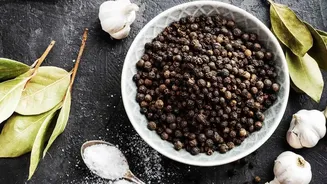
Your eyes and hands are powerful tools for detecting fakes. Spread some peppercorns on a flat surface. Genuine black pepper is typically dark brown or black, with a distinctly wrinkled surface. Papaya seeds, in contrast, are often more oval-shaped, have a smoother (though shrunken) surface, and can sometimes have a greenish or blackish-brown hue. Next, try crushing a few berries between your fingers or with a heavy object. A real peppercorn is quite hard and will not break easily. When it does, it will release a sharp, pungent aroma. A papaya seed, however, will crush much more easily into a tasteless mush and has a repulsive flavour instead of a spicy one.
Test 3: Checking for Mineral Oil
Some sellers coat peppercorns with mineral oil to give them a glossy, premium appearance. This adulterant can be harmful if consumed. The best way to check for this is by using your sense of smell and touch. Rub a few peppercorns vigorously between your palms or on a piece of white paper. If your hands feel greasy or if the paper develops a greasy stain that doesn't evaporate, it's a sign of an oil coating. You can also simply smell a handful of the pepper; a faint kerosene-like or chemical odour is a major red flag indicating the presence of mineral oil.
What to Look for When Buying Pepper
The best way to avoid adulteration is to be a smart shopper. Whenever possible, choose whole peppercorns over pre-ground powder, as it’s much harder to hide impurities in whole spices. Be wary of peppercorns that look unnaturally shiny or are sold at a suspiciously low price. Always try to buy from trusted brands or local vendors who can vouch for their sourcing. Check the packaging for an FSSAI license number, which indicates that the product complies with the country's food safety regulations. A strong, characteristic aroma is also a good sign of quality and freshness.