




What is Root-to-Stem Cooking?
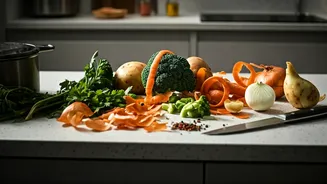
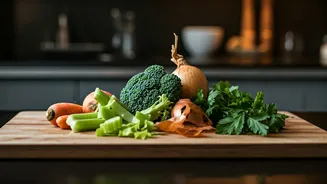
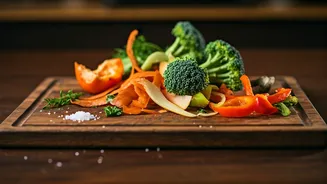
At its heart, this trend is about using the entire vegetable—from the leaves and stems to the peels and seeds that are typically discarded. Think of it as the vegetable equivalent of 'nose-to-tail' butchery. For generations, our grandmothers practiced
this out of necessity and wisdom, never letting anything go to waste. Today, chefs and home cooks are rediscovering this philosophy, not just for its cost-saving benefits but for its environmental impact and the surprising new flavours it unlocks. It’s a simple shift in perspective: seeing potential where we once saw trash.
Turn Peels into Power Snacks
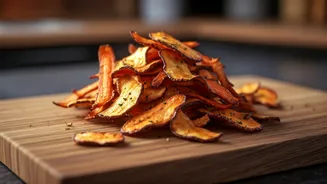
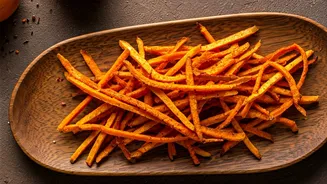
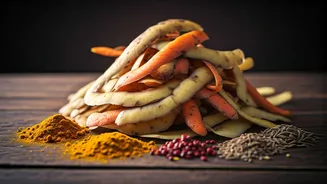
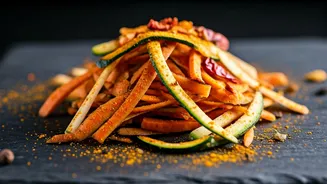
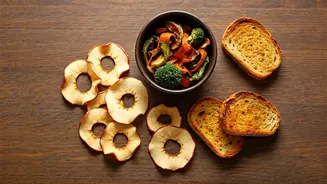
Let’s start with the most common culprit: vegetable peels. Potato, sweet potato, carrot, and lauki (bottle gourd) peels are packed with fibre and nutrients. Instead of binning them, give them a good wash, toss them with a bit of oil and your favourite spices—think chaat masala, turmeric, and a pinch of red chilli powder—and bake or air-fry until crisp. You’ll have a batch of addictive, healthy crisps that cost you nothing. Onion and garlic peels, while not edible on their own, can be saved in a bag in the freezer. Once you have a good amount, simmer them in water to create a flavourful vegetable stock base for soups and curries.
Don’t Discard Stems and Leaves
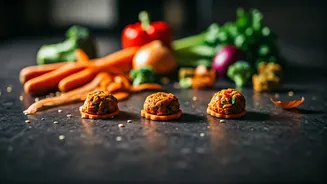
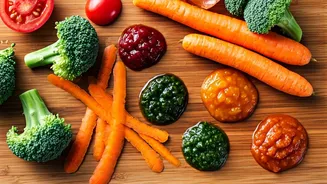
How often do you chop the green tops off your carrots or beets and throw them away? These leafy greens are delicious and nutritious. Carrot tops can be blended into a pesto with a zesty, slightly bitter flavour, while beet greens can be sautéed with garlic and onions just like spinach for a quick and healthy side dish. The same goes for the tough stems of coriander and mint. While you might pick the leaves for garnish, the stems contain an intense concentration of flavour. Finely chop them and add them to the base of your curries, dals, or chutneys for an extra aromatic punch. Similarly, the thick stems and leaves of cauliflower are perfectly edible; chop them up and add them to your gobi sabzi or stir-fries.
The Surprising Second Life of Seeds
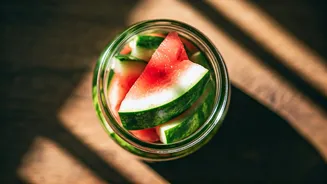
Pumpkin and squash seeds are the obvious candidates here. Instead of scooping them into the bin, rinse them, pat them dry, and roast them with a sprinkle of salt for a protein-packed snack. But what about others? Watermelon seeds can be dried and roasted, then ground into a powder that can be added to flour for rotis or used as a thickener. Papaya seeds, with their peppery taste, can be dried and used as a substitute for black pepper. Just a few on your grinder will add a unique, pungent kick to salads and grilled dishes. It’s about experimenting and finding the hidden potential in every part of the fruit or vegetable.
The Real Rupee Savings
While this approach won't slash your grocery bill in half overnight, the savings are real and they add up. By using every part of the vegetables you buy, you are effectively increasing your food volume by 10-20% without spending an extra rupee. You're getting snacks, garnishes, and flavour boosters for free. A bag of potato peels becomes a bowl of crisps you don't have to buy. The coriander stems stretch the life of the bunch, meaning you buy it less frequently. Over a month, and certainly over a year, this mindful approach translates into tangible savings that can be redirected to other household needs. More importantly, it reduces your contribution to the staggering amount of food waste generated each day.