



The New Cost of Cooking
Let's face it: life in cities like Mumbai, Delhi, and Bangalore is expensive. While vegetarianism has long been an affordable way of life, recent inflation has challenged this notion. Reports from late 2026 indicate a significant year-on-year increase
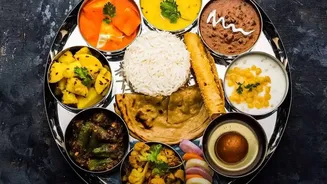
in the cost of a home-cooked vegetarian thali. A CRISIL report noted a 10% rise in the cost of a vegetarian home meal in September, driven by soaring prices for staples like onions, rice, and edible oils. For instance, onion prices saw a staggering 89% jump year-on-year due to supply issues. This new reality means that simply being vegetarian is no longer a guaranteed money-saver; smart planning is now essential.
Embrace Your Local Mandi
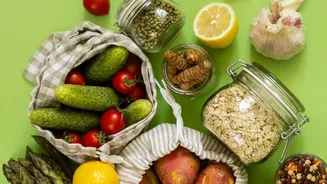
Your greatest weapon against high food prices is the local vegetable market, or 'mandi'. While supermarkets offer convenience and air-conditioning, their prices for fresh produce are often significantly higher. Surveys have shown that a majority of Indian households prefer traditional local markets for purchasing fruits and vegetables due to better quality and lower costs. Prices at online and large retail stores can sometimes be 1.5 to 2 times higher than at the local vendor. By buying directly from local stalls, you bypass the costs of packaging, branding, and extensive supply chains that supermarkets pass on to the consumer. Seasonal produce is always your most budget-friendly option, as abundance drives down the price.
The Power of Pulses and Grains
The foundation of a budget-friendly vegetarian diet in India remains its incredible variety of dals (lentils), legumes, and grains. Lentils, chickpeas (chana), and kidney beans (rajma) are nutritional powerhouses, offering high protein at a low cost. Building your meals around these staples is a surefire way to stay full and healthy without overspending. Plan your weekly menu around dishes like dal tadka, rajma chawal, and chana masala. Buying these items dry and in larger quantities from a local kirana store or wholesale market is usually more economical than purchasing small, branded packets from a supermarket.
Mastering the Art of Meal Prep
One of the biggest drains on a food budget is the daily decision of what to eat, which often leads to expensive takeaways. This is where meal prepping saves both time and money. Dedicate a few hours over the weekend to plan your meals for the week, create a shopping list, and even pre-cook some components. You can cook a large batch of dal or a base gravy that can be adapted for different vegetable dishes throughout the week. Making your own paneer from milk is also far cheaper than buying it pre-packaged. This approach not only streamlines your daily routine but also minimises food waste, ensuring you use everything you buy.
Smart Snacking and Eating Out
A tight budget doesn't mean you can never eat out. The key is to be strategic. Instead of frequenting mid-range restaurants where a single vegetarian main can cost between ₹150 and ₹400, explore local 'khau gallis' or street food stalls known for hygiene. A plate of pav bhaji or a dosa from a popular local spot is often more satisfying and significantly cheaper. Many cities have legendary, pocket-friendly eateries and Irani cafes where a filling meal for one can be had for under ₹200-₹300. For lunches at work, a tiffin service ('dabba') is another classic Indian solution that provides wholesome, home-style food at a fraction of the cost of a restaurant meal. In Bengaluru, for example, you can find basic veg thalis from tiffin services for around ₹140.