



Understanding Protein Quality
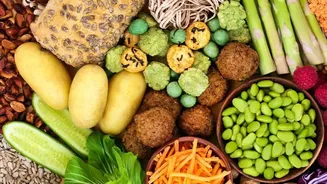
First, let's understand what 'quality' means. Proteins are made of amino acids. Nine of these are 'essential,' meaning our bodies can't make them, so we must get them from food. A 'complete' protein contains all nine essential amino acids. Most animal
products like milk, paneer, and eggs are complete proteins. Most plant foods, like dals and grains, are 'incomplete,' meaning they are low in one or two essential amino acids. But this isn't a problem; it's an opportunity for smart pairing, a technique already built into traditional Indian cuisine.
The Power of Pairing: Complete Proteins at Home
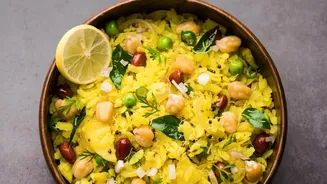
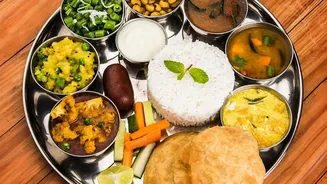
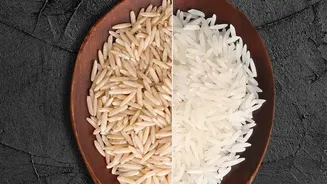
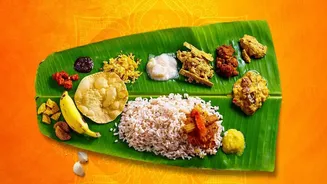
Indian culinary wisdom has been combining foods to create complete proteins for centuries. Legumes like dal, rajma, and chana are typically rich in an amino acid called lysine but low in methionine. Grains like rice and wheat are the opposite. When you eat them together, they complete each other. Classic examples include: Dal and Rice: The quintessential Indian meal is a perfect protein pairing.. Roti and Dal: Wheat roti fills the amino acid gap in lentils.. Idli and Sambar: The fermented batter of rice and urad dal, served with lentil-based sambar, is a complete protein powerhouse.. This principle, called protein complementation, ensures you get all the essential amino acids without needing meat or expensive supplements.
Budget-Friendly Protein All-Stars
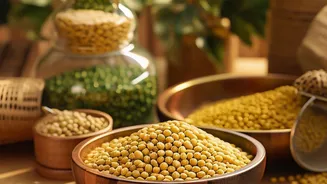
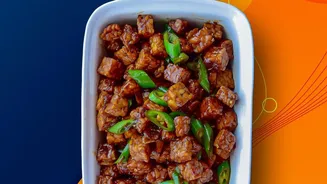
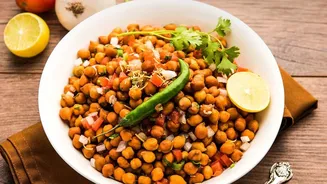
You don't need fancy ingredients to boost your protein intake. These affordable staples are likely already in your kitchen: Lentils (Dals): Moong, masoor, toor, and chana dal are the backbone of Indian protein. They are incredibly cost-effective, with chana dal and moong dal offering around 22-24 grams of protein per 100g.. Legumes: Think beyond dal to rajma and chana (chickpeas). A bowl of rajma or chole offers a substantial protein punch. Buying them dry in bulk is a great way to save money.. Soya Chunks: Unmatched in affordability, soya chunks are a complete plant-based protein, providing a staggering 52 grams of protein per 100g. They are the most budget-friendly protein source, costing very little per gram of protein.. Eggs: For those who eat them, eggs offer about 6 grams of highly bioavailable complete protein each and are one of the cheapest animal-source proteins widely available..
Smart Ways to Sneak in More Protein
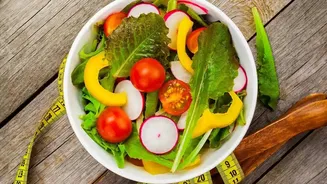
Beyond the mainstays, several other foods can help you increase protein content without a big financial outlay. Dairy products like homemade curd (dahi) and milk are excellent sources of complete protein. A bowl of curd with your meal or as a snack can significantly boost your intake. Peanuts are another underrated hero, delivering around 26 grams of protein per 100g at a low cost. Roasted chana also makes for a fantastic, high-protein snack. Sprouting legumes like moong can increase their nutritional value and make them easier to digest. A simple sprout salad with chopped onions and tomatoes is a refreshing and protein-rich addition to any meal.
Making Your Meals Work Harder
Planning is key to ensuring you meet your protein goals affordably. Instead of trying to pack all your protein into one meal, aim to distribute it throughout the day. A breakfast of besan chilla with paneer, a lunch of rajma-chawal, and a dinner featuring soya curry can easily help you reach your targets. Simple swaps, like using millets such as bajra or jowar, can also enhance the protein profile of your meals. Cooking methods matter too; a simple egg bhurji or paneer bhurji is a quick, protein-dense meal that uses minimal oil and ingredients you already have.