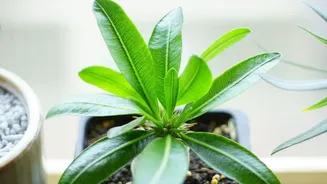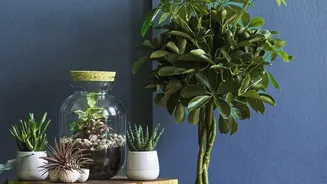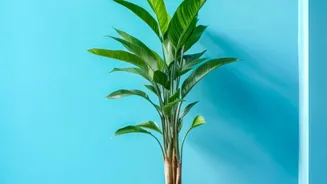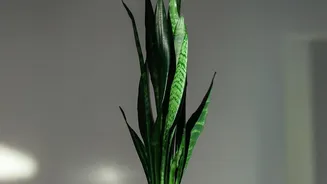






The Unkillable Snake Plant
Often called 'mother-in-law's tongue', the Snake Plant is a champion for beginner plant parents and busy professionals. It's incredibly resilient, tolerates low light, and is celebrated for its air-purifying qualities, even releasing oxygen at night.
During the monsoon, its needs are minimal. The key is to reduce watering significantly, as the high humidity and moist air mean the soil stays wet for longer. Allow the soil to dry out completely between waterings to prevent root rot, one of the most common issues during this season. Its sharp, architectural leaves add a modern touch to any room, making it a stylish and practical choice for bedrooms and living rooms.
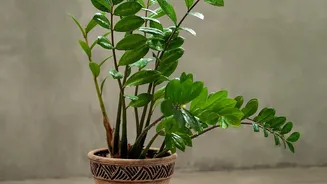
The Hardy ZZ Plant
If you're looking for a plant that thrives on neglect, the Zamioculcas zamiifolia, or ZZ Plant, is your perfect match. With its glossy, dark green leaves, it looks perpetually healthy even in the dimmest corners of your apartment. This makes it ideal for the reduced sunlight of the monsoon months. The ZZ Plant stores water in its rhizomes, meaning it's highly drought-tolerant and extremely susceptible to overwatering. During the rains, you might only need to water it once a month. Always check that the soil is bone dry before giving it a drink. Its ability to withstand low light and infrequent care makes it a foolproof option for adding greenery without the fuss.
The Elegant Peace Lily
The Peace Lily is a monsoon favourite for good reason. It loves the high humidity that the rainy season brings, which helps keep its lush, dark leaves vibrant and may even encourage its elegant white flowers to bloom. It's also an excellent air purifier, known for removing common indoor toxins. Unlike the ZZ or Snake Plant, the Peace Lily will tell you when it's thirsty; its leaves will droop dramatically. This visual cue helps prevent overwatering. It prefers medium to low indirect light, making it suitable for spots away from a direct window. It can absorb moisture from the air, helping to reduce dampness in a room.
The Versatile Money Plant (Pothos)
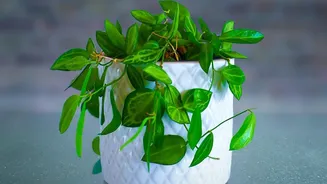
No list of Indian houseplants is complete without the Money Plant. This trailing vine is famously easy to grow and adapts to a wide range of conditions. It thrives in the humid weather of the monsoon and can tolerate low light, although its variegation may fade. Like other plants during this season, the primary danger is root rot from waterlogged soil. Ensure your pot has excellent drainage and allow the top layer of soil to dry out before watering again. Its fast-growing vines can be trained up a wall or left to cascade from shelves, adding a touch of jungle-like charm to your home.
The Humidity-Loving Boston Fern
Ferns are practically designed for the monsoon. The Boston Fern, with its feathery, arching fronds, adores high-humidity environments and is perfect for adding a soft, delicate texture to your indoor garden. Place it in a bathroom or a kitchen where it can soak up the ambient moisture. While it loves humidity, it still needs good air circulation to prevent fungal issues. Keep it in a spot with bright, indirect light and ensure the soil remains consistently moist but not waterlogged. The rainy season is its peak growing period, making it a rewarding and beautiful plant to care for.
Monsoon Care: Key Reminders
Gardening during the monsoon is more about managing excess moisture than anything else. First, prioritize drainage. Ensure every pot has drainage holes and that water isn't collecting in the saucer underneath. Second, adjust your watering schedule. Forget your summer routine; the soil will stay moist much longer. Always check the top inch or two of soil with your finger before watering. Third, watch for pests. The damp, warm conditions are a breeding ground for fungus gnats and other pests. Improving air circulation and wiping down leaves can help keep them at bay. Finally, move plants closer to windows to maximise their access to the limited indirect sunlight.