
Understanding Tree Pose (Vrksasana)
In Sanskrit, 'Vriksha' means tree, and 'asana' means pose. Like a tree, this pose teaches you to root down firmly through one leg while reaching upward, creating a sense of grounded stability. The benefits are both physical and mental. It strengthens
the muscles in your standing leg, ankles, and core while simultaneously improving your posture. Mentally, the concentration required to hold your balance helps calm the mind, reduce stress, and improve focus. It is a foundational pose that enhances body awareness and builds confidence, no matter your skill level.
The Classic Pose: A Quick Guide
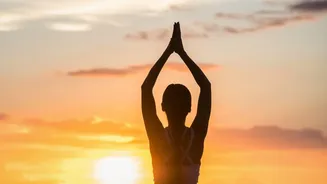
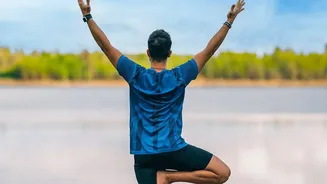
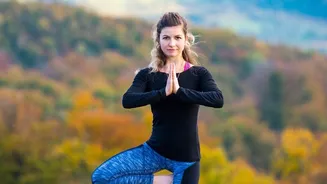
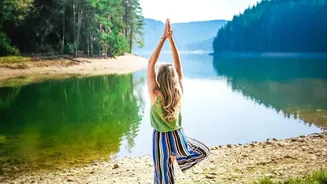
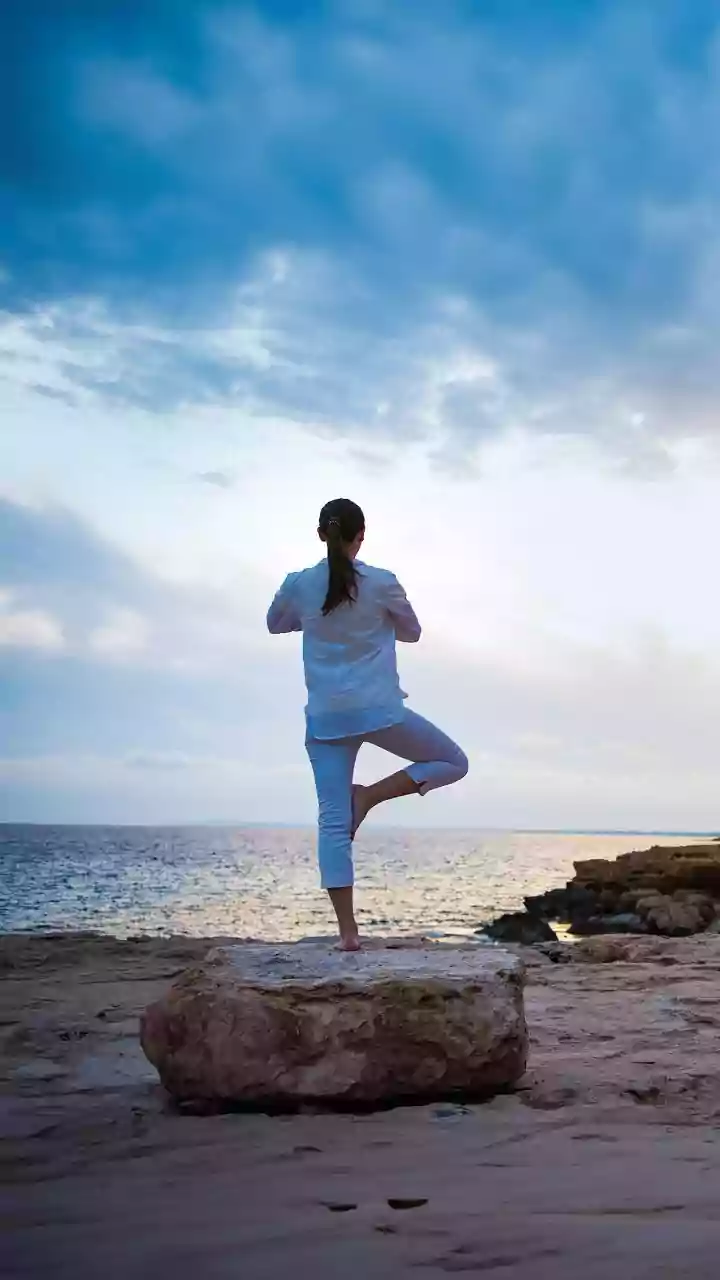
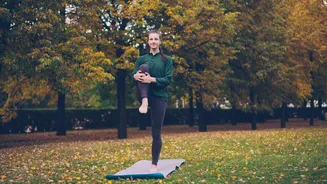
To understand the variations, it helps to know the goal. In the full expression of Tree Pose, you stand tall on one leg. The other leg is bent, with the sole of the foot placed high on the inner thigh of the standing leg. The hips are open, with the bent knee pointing out to the side. Hands are typically brought together in a prayer position at the chest or extended overhead like branches. The key is to maintain a straight spine and a fixed gaze on a point in front of you to aid balance. The most crucial safety tip is to never place your foot directly on the side of your knee joint, as this can cause strain.
Variation 1: The Kickstand Tree
This is the perfect place to start. It offers all the alignment benefits without the intense balance challenge. Begin by standing tall in Mountain Pose (Tadasana). Shift your weight onto your standing leg. Bend your other knee and turn it out to the side, placing the sole of your foot against your inner ankle. Your toes can remain on the floor, acting like a kickstand to provide extra stability. This allows you to practice engaging your core, opening your hip, and finding your Drishti (focal point) without the fear of falling.
Variation 2: Foot to Calf
When you feel steady in the kickstand variation, you are ready to lift your foot higher. From your starting position, bend your knee and use your hand to guide the sole of your foot to the inside of your standing leg's calf. Press your foot firmly into your calf and your calf back into your foot to create a stable connection. This version demands more from your balance and the stabilising muscles in your standing leg and hip. Remember to keep your hips level and facing forward, resisting the urge to lean into your standing leg.
Using Props for Support
Props are your best friend in yoga, especially for balance poses. If you feel unsteady, stand next to a wall and place a hand on it for support. This gives you the confidence to explore the alignment without worrying about wobbling. A chair placed in front of you or to your side serves the same purpose. You can rest a hand on the back of the chair to steady yourself as you find your balance. Using props isn't a sign of weakness; it's a smart way to build strength and proper form safely.
Exploring Arm Positions
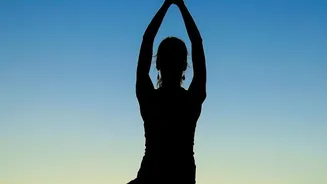
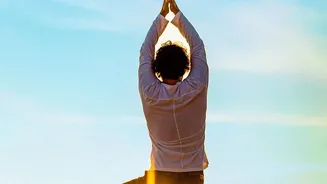
Where you place your arms has a big impact on your stability. Keeping your hands in a prayer position at your heart center is the most common and grounding variation. It keeps your center of gravity low and stable. For more of a challenge, you can 'grow your branches' by reaching your arms overhead, either with palms together or apart. If you feel particularly wobbly, simply placing your hands on your hips can also provide a sense of stability and help you focus on your legs and core.