

The Heart of the Matter: Kofta and Gravy
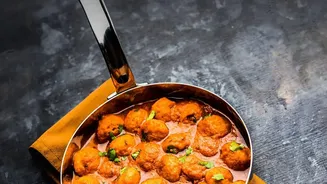
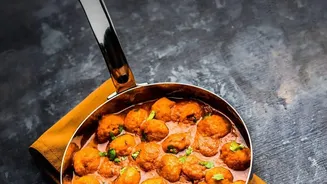
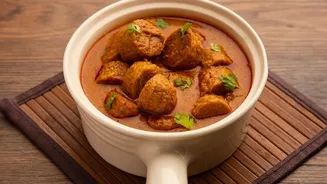
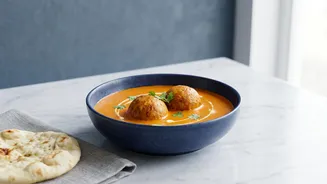
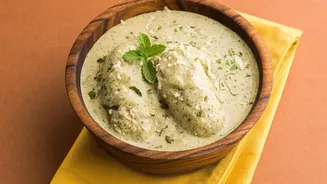
Malai Kofta is a tale of two textures. First, there are the koftas themselves—delicate, melt-in-your-mouth dumplings, traditionally made from paneer and potato, that are fried to a gentle gold. Then there’s the ‘malai’ gravy: a velvety, luxurious sauce
that is creamy without being heavy. The magic of the dish lies in the contrast between the pillowy koftas and the smooth, aromatic curry they’re served in. The goal at home is to nail this duo without the industrial-grade equipment of a restaurant.
Secrets to a Perfect, Pillowy Kofta
The single biggest mistake in homemade koftas is making them dense or having them break apart while frying. To avoid this, focus on moisture and binding. Your potatoes should be boiled until just fork-tender, then cooled completely and grated. Over-boiled, waterlogged potatoes are the primary enemy, forcing you to add too much binding agent. Use good quality, dry paneer, and grate it finely. Cornstarch is the preferred binder; use just enough to create a smooth, non-sticky dough—typically around two or three tablespoons for every 200 grams of paneer and 100 grams of potato. Too much cornstarch will make the koftas tough. For that signature restaurant richness, you can stuff the koftas with finely chopped nuts and raisins before frying.
Frying Koftas Without Fear
Deep frying ensures an even, golden crust, but it's not the only way. The key is maintaining the right oil temperature. The oil must be hot but not smoking. If it's not hot enough, the koftas will absorb oil and can disintegrate. If it's too hot, they'll brown too quickly on the outside while remaining raw inside. Always fry a single 'test' kofta first. If it holds its shape, proceed with the rest, frying them in small batches to avoid overcrowding the pan. For a healthier, less hands-on approach, an air fryer is a fantastic modern adaptation. A light spray of oil and about 15-20 minutes in a preheated air fryer can yield surprisingly crisp results.
Crafting a Silky, Restaurant-Style Gravy
The secret to that incredibly smooth restaurant gravy is a two-step process: blending and straining. The base is typically made from sautéed onions, tomatoes, ginger, garlic, and whole spices. Many recipes use cashews, which are simmered along with the vegetables to add body and creaminess. Once the mixture is soft, it's blended into a fine puree. Don’t skip the next step: push the puree through a fine-mesh sieve. This removes any fibrous bits of tomato skin or whole spices, guaranteeing a velvety texture. While some recipes use cream, the primary richness often comes from the cashew paste, which gives it body without making it feel overly heavy.
The Final Assembly: Timing Is Everything
Here is the most critical rule for serving: do not boil the koftas in the gravy. Doing so will cause them to become soggy and fall apart almost instantly. This is a dish that must be assembled just moments before it reaches the table. The proper technique is to gently heat the gravy in a serving dish. When you are ready to eat, carefully place the warm, fried koftas into the hot gravy. Garnish with a drizzle of cream and a sprinkle of kasuri methi (dried fenugreek leaves), and serve immediately. This ensures the koftas remain intact, retaining their delicate texture while absorbing just enough of that beautiful sauce.