





The New Wellness Status Symbol
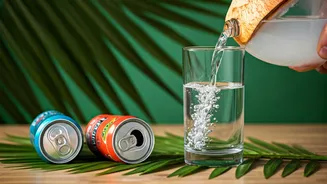
In the world of online wellness, what you drink is a statement. For years, pre-workout energy drinks signalled a commitment to high-intensity fitness. Now, the pendulum is swinging towards a more natural, holistic aesthetic. Posing with a fresh coconut
or a carton of unsweetened coconut water has become the new visual shorthand for health. [15] This trend is particularly resonant in India, where influencers are increasingly advocating for a blend of modern science and traditional wisdom, making 'nariyal paani' a culturally relevant and aspiraspirational choice. [10, 14] Celebrities and fitness gurus alike are frequently spotted with the tropical drink, positioning it not just as a post-workout refresher but as an all-day wellness staple. [16, 23] This shift reflects a broader consumer move away from aggressive 'hustle' culture towards longevity and balance. [24]
Nature's Answer to Electrolytes?
The primary reason for coconut water's acclaim is its nutritional profile. It is naturally rich in electrolytes—minerals that are crucial for maintaining fluid balance, muscle function, and nerve signalling. [4] Specifically, it is packed with potassium, a mineral many people don't get enough of; a single cup can contain more potassium than a banana. [3, 5] It also contains other key electrolytes like magnesium, calcium, and sodium. [6] For moderate exercise, studies have found coconut water to be as effective for rehydration as conventional sports drinks. [2, 17] Its natural composition, being about 95% water and low in calories and sugar (as long as you choose unsweetened versions), makes it an attractive alternative to artificially formulated beverages. [2, 5]
The Energy Drink Crash
The pivot to coconut water is also a reaction against the downsides of many energy drinks. Typically loaded with high amounts of caffeine and sugar, energy drinks can lead to a 'crash'. [8] The stimulants in these drinks, while providing a temporary boost, can also cause anxiety, insomnia, and heart palpitations if over-consumed. [7, 9] The American Academy of Pediatrics has stated that the stimulants in energy drinks have no place in the diets of children and adolescents. [7] Concerns about their impact on the nervous system, potential for dehydration (despite being a liquid), and interference with sleep patterns are driving many health-conscious consumers to seek out cleaner alternatives. [8, 11] The contrast is clear: where many energy drinks offer a synthetic jolt, coconut water provides gentle, natural replenishment. [18]
Hype vs. Hydration Reality
While coconut water has clear benefits, it's important to separate marketing hype from scientific fact. For everyday hydration, plain water is still the gold standard and is perfectly sufficient for most people. [4, 19] Furthermore, for prolonged or high-intensity exercise where you lose a lot of salt through sweat, coconut water might not be the ideal choice as it is naturally lower in sodium than specially formulated sports drinks. [3, 18, 22] Some studies have also found no significant difference in performance or rehydration levels between plain water and coconut water after exercise. [21] It's a healthier alternative to sugary sodas and juices, but not a miracle cure-all. Experts also caution that individuals with kidney disease or certain other health conditions should be mindful of its high potassium content. [22]
What This Trend Means for You
So, should you swap all your drinks for coconut water? Not necessarily. The real takeaway from this trend is the growing consumer awareness about ingredients. It’s a move towards making more informed and intentional choices. If you enjoy coconut water, opt for brands with no added sugar to reap the benefits without excess calories. [2] It can be a fantastic, natural way to rehydrate after a light workout or on a hot day. However, it's just one component of a healthy lifestyle. This influencer-led shift highlights a positive movement: looking at labels, prioritising natural ingredients, and listening to our bodies over marketing slogans. [26] It’s less about crowning one 'super drink' and more about building a smarter, more balanced approach to our own personal wellness.