






The Tyranny of the Perfect Shot
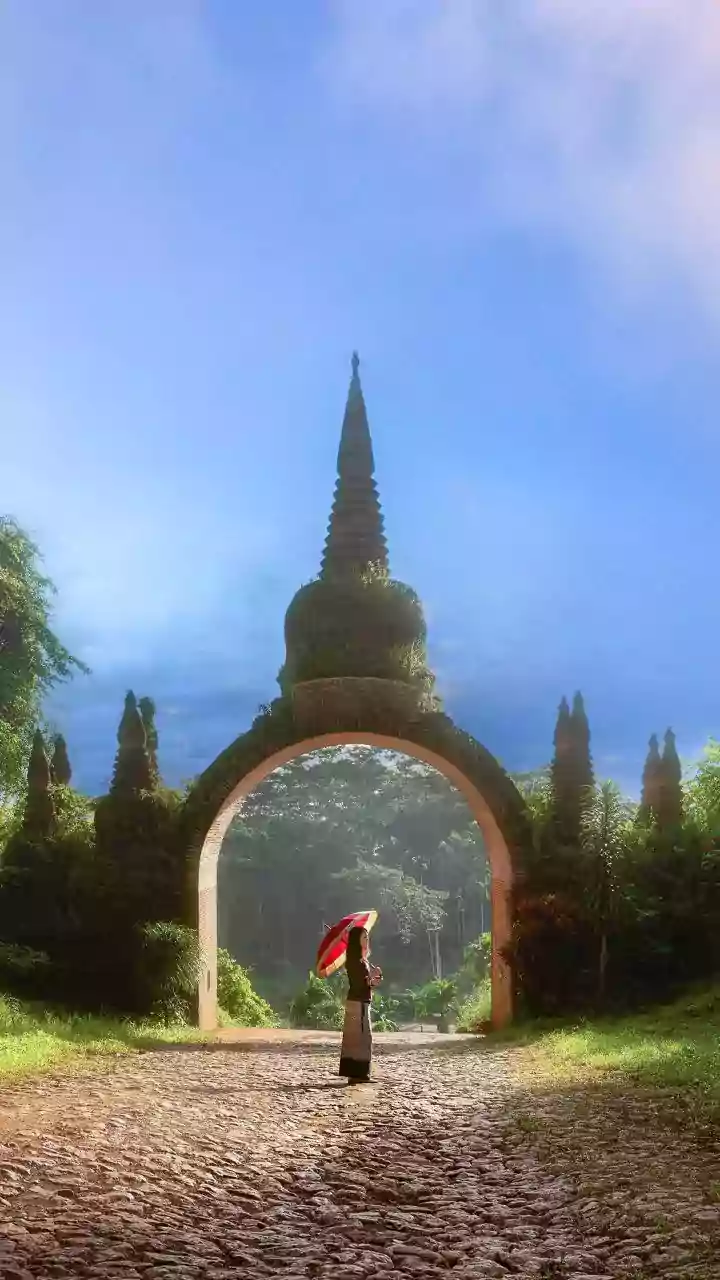
We’ve all been there. You scroll through Instagram and see a friend posing in a flowing dress against a backdrop of impossibly blue waters in the Andamans, or a vibrant Pangong Tso. Inspired, you book the same trip, only to arrive during the shoulder
season’s unpredictable downpours, turning your dreamy beach escape into a damp, frustrating hotel stay. This is the trap of 'aesthetic-first' travel. We plan our holidays around a single, static image, forgetting that travel is a dynamic experience governed by forces far greater than our camera filters. The pressure to capture ‘the shot’ often leads to disappointment when reality, particularly the weather, refuses to cooperate. This chase for a pretty reel over a good time leaves us with a gallery of mediocre photos and the lingering feeling that we missed out on the real joy of the journey.
Introducing Weather-First Travel
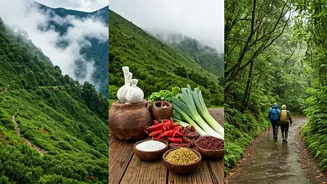
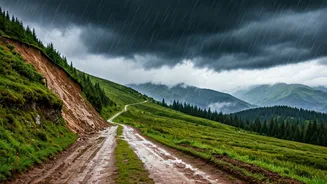
So, what’s the smarter alternative? Weather-first travel. It’s a simple but revolutionary shift in mindset. Instead of picking a destination and hoping for good weather, you start with the weather you want to experience and then find the best place to enjoy it. Do you dream of crisp, cool mountain air and clear skies for trekking? Plan for Himachal or Uttarakhand in post-monsoon autumn (October-November), not the foggy, landslide-prone monsoon months. Want to experience the lush, romantic beauty of a real monsoon? Head to Kerala or Goa, where the rain is part of the destination’s charm and identity. Weather-first planning is about aligning your desires with a location’s climate reality. It’s choosing to see the Valley of Flowers when it's actually in full bloom, or visiting Rajasthan in the pleasant winter months instead of attempting to sightsee in the scorching 45°C heat of May.
The Undeniable Benefits
Planning this way isn’t just about avoiding bad weather; it’s about unlocking a better travel experience. Firstly, it drastically reduces stress. You pack correctly, you book appropriate activities, and you minimise the chances of your entire itinerary being washed out. This leads to a more relaxing holiday where you can be present and enjoy your surroundings. Secondly, it often leads to more authentic experiences. Visiting a place during its best season means you see it as it’s meant to be seen, with locals out and about, and seasonal festivals in full swing. Think of witnessing the cherry blossoms in Shillong or the clear, starry nights in the Rann of Kutch during the festival. Thirdly, it can be more budget-friendly. By avoiding peak tourist times that might not even have the best weather (like the crowded Christmas week in Goa), you can often find better deals on flights and accommodation during the ‘climatic peak’ which might be a shoulder season.
How to Plan Your First Weather-First Trip
Getting started is easy. First, define your ideal 'weather mood.' Are you seeking sun, snow, rain, or a cool breeze? Once you know what you want, a quick online search for "best places to visit in India in [Month]" is a great starting point. Dig deeper by looking at historical weather data on reliable portals rather than just a 10-day forecast. Understand the difference between macro and microclimates; for example, one side of a mountain range might be rainy while the other is dry. Read travel blogs from seasoned travellers who discuss weather in detail. Finally, talk to locals or consult travel forums for on-the-ground insights. They’ll tell you things a weather app can’t—like when the local winds pick up or when the fog is most likely to roll in. This small amount of research pays massive dividends in enjoyment.