



More Than Just Vegetarian
Let’s be clear: vegetarian food is not new to India. It’s a cornerstone of our culture, woven into the fabric of daily life and tradition. But the trend captivating food creators today is a different beast entirely. It’s ‘plant-based fusion,’ a modern
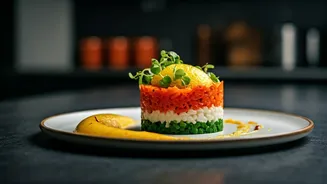
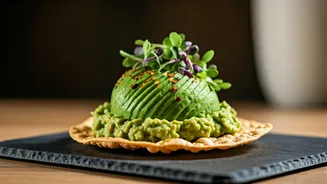
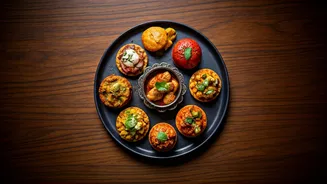
culinary dialogue that takes the principles of vegetarianism and veganism and infuses them with global techniques, unexpected ingredients, and a flair for presentation that is pure social media gold. This isn’t your grandmother’s dal-chawal (though that remains sacred). This is about deconstructing and reimagining what plant-forward Indian cooking can be. It’s less about restriction and more about boundless creativity, asking 'what if?' What if a galouti kebab could be made from mushrooms but still melt in your mouth? What if pav bhaji could be served as a Swiss-style fondue? This new wave is driven by curiosity and a desire to place Indian flavours in a global conversation.
The Rise of the Digital Chef
This movement is being championed not in Michelin-starred restaurants, but in home kitchens and digital studios. Food creators on Instagram and YouTube are the new tastemakers. With their high-quality videos, stunning photography, and step-by-step recipes, they make complex-sounding fusion dishes feel accessible. They are masters of the visual hook—the perfect cheese pull (from cashew cheese), the satisfying crunch of a tempura-fried pakoda, or the vibrant swirl of a beetroot hummus. By demystifying their process, they empower millions of followers to try something new. These creators are part-chef, part-educator, and part-entertainer, building communities around a shared love for innovative, meat-free cooking. They show that plant-based eating isn't about bland salads; it's a vibrant, exciting frontier.
New Ingredients, Old Flavours
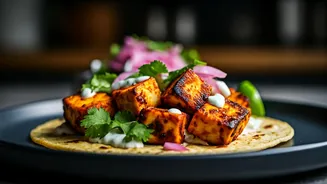
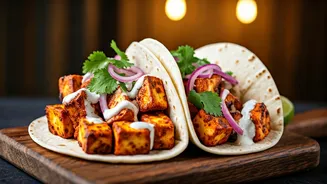
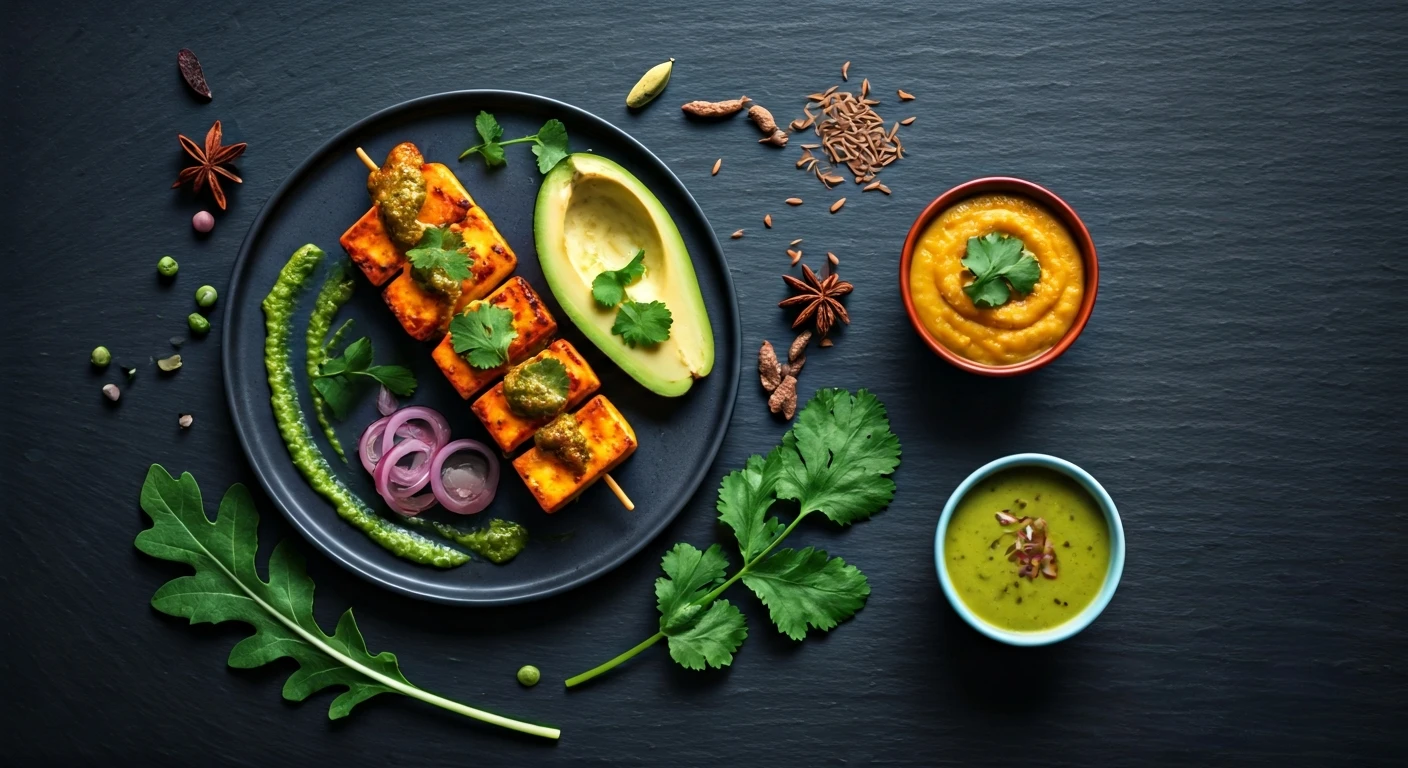
For decades, Indian vegetarian cooking relied heavily on a trusted cast of characters: paneer, potatoes, lentils, and a wide array of vegetables. Plant-based fusion blows the doors wide open. Jackfruit, with its uncanny shredded-meat texture, is being used for everything from 'pulled' biryanis to Goan vindaloo. Tofu and tempeh, once relegated to niche health food stores, are now being marinated in tandoori spices and simmered in rich makhani gravies. Mushrooms, especially varieties like oyster and shiitake, are minced to create convincing 'keema' and succulent kebabs. Nutritional yeast brings a cheesy, umami depth to sauces, while liquid smoke adds a charcoal-grilled flavour without a tandoor. The magic lies in using these new textures and ingredients as a canvas for the robust, complex, and beloved flavours of Indian spices.
A Perfect Storm of Trends
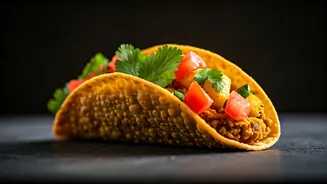
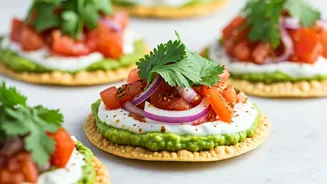
So, why is this happening now? It's a convergence of several cultural shifts. Firstly, there’s a growing global and domestic consciousness around health and sustainability. Younger Indians are more aware of the environmental impact of meat consumption and are actively seeking healthier lifestyles. Secondly, the pandemic accelerated our relationship with home cooking. Stuck indoors, many turned to their kitchens for comfort and creativity, and social media provided an endless stream of inspiration. Finally, there's the simple desire for novelty. For a generation that grew up with global exposure thanks to the internet, fusing a taco with a tikka masala makes perfect sense. It’s a reflection of their own hybrid identity—proudly Indian, but fluently global.
An Evolution, Not a Rejection
Some might see this trend as a departure from tradition, but it can also be viewed as its next logical evolution. Indian cuisine has always been a masterful fusion, absorbing influences from Mughals, Persians, Portuguese, and the British over centuries. Today's food creators are continuing that legacy, simply with a wider pantry of global ingredients and techniques. They aren’t replacing traditional recipes; they are expanding the definition of what Indian food can be. By grounding their wildest creations in familiar flavour profiles—the holy trinity of ginger, garlic, and onion; the warmth of garam masala; the tang of amchur—they are creating dishes that are simultaneously novel and deeply comforting.