






The Challenge of Overtourism
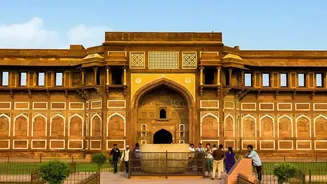
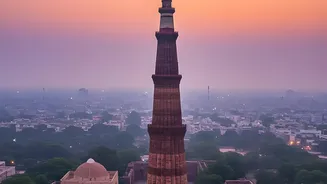
For decades, destinations like Goa, Shimla, Manali, and the 'Golden Triangle' of Delhi, Agra, and Jaipur have been the pillars of Indian tourism. While they have drawn millions of visitors, their immense popularity has come at a cost. Many of these locations
now grapple with 'overtourism'—a situation where the sheer volume of visitors strains local infrastructure, degrades the natural environment, and diminishes the quality of the experience for both tourists and residents. This concentration of tourism creates an economic imbalance, with revenues flowing into a few select areas while vast, equally beautiful parts of the country remain overlooked. The result is seasonal overcrowding, pressure on resources like water, and a disconnect between the tourism economy and many local communities.
A New Vision: Swadesh Darshan 2.0
In response, the government has revamped its tourism strategy with initiatives like 'Swadesh Darshan 2.0'. Launched in 2015 and later updated, this scheme represents a significant pivot from developing theme-based circuits to a 'Destination Centric Approach'. The goal is no longer just to connect existing popular sites but to holistically develop new destinations in a sustainable and responsible manner. This involves not only building infrastructure like roads and amenities but also focusing on human capital development, promoting local culture, and ensuring that the economic benefits reach the grassroots level. The scheme aims to make these emerging locations self-sufficient tourism ecosystems, attracting private investment and creating local jobs.
Spotlight on Emerging Destinations
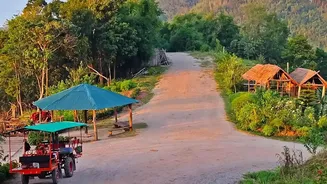
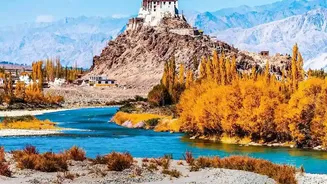
The new strategy is already bringing lesser-known locales into the national spotlight. Under recent initiatives, dozens of projects across numerous states have been sanctioned for development. For example, in Jharkhand, Chandil is being developed from a simple picnic spot into a destination for outdoor recreation and educative experiences. In Karnataka, the historic site of Hampi is receiving attention to create immersive heritage experiences. The Northeast has seen a particular focus, with Mizoram experiencing a tourism boom driven by improved connectivity and a push for eco-tourism. Similarly, states like Odisha, Uttar Pradesh, and Sikkim are actively promoting rural tourism, adventure sports, and unique local attractions to draw visitors away from saturated markets.
From Sightseeing to Experiencing
This shift is also powered by a change in traveller preferences. Modern tourists, especially domestic ones, are increasingly seeking authentic and immersive experiences over simple sightseeing. There is a growing demand for rural tourism, agritourism, wellness retreats, and adventure activities that offer a genuine connection to the place and its people. Initiatives like the 'Dekho Apna Desh' campaign actively encourage Indians to explore their own country, promoting everything from local cuisines and handicrafts to community-based homestays. This move towards experiential travel helps preserve local culture and skills while providing sustainable livelihoods for communities that have traditionally been outside the tourism economy.
The Road Ahead
Developing new tourist destinations is a long-term project with inherent challenges. It requires significant investment in infrastructure, effective marketing to build awareness, and careful planning to ensure sustainability. The key is to avoid recreating the problems of overtourism in these new locations. The government's strategy acknowledges this by emphasizing a 'Destination Centric Approach' and involving local communities in the planning process. By collaborating with state governments and the private sector, and using digital platforms to promote these new areas, the goal is to create a more resilient and inclusive tourism model. The success of this vision hinges on balancing development with preservation, ensuring that as India's tourism map expands, its benefits are shared more widely than ever before.