
The Pre-Winter Sweet Spot
The secret to the perfect Meghalaya trip is timing. While the monsoon season (June to September) brings the heaviest rains and most dramatic waterfalls, it can also mean logistical challenges. Winter (December to February) offers clear skies but diminished
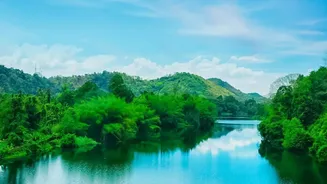
water flow. The sweet spot is the post-monsoon period of October and November. During these months, the landscape retains its lush, post-rain freshness, and the waterfalls are still magnificent and full-flowing. The weather is comfortably cool, the skies are clearer, and the tourist crowds are thinner, making it ideal for photography, trekking, and comfortable sightseeing before the winter chill sets in.
A Cascade of Waterfalls
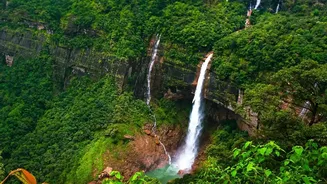
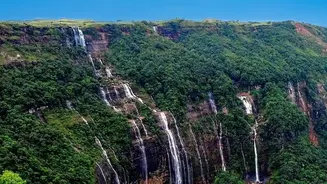
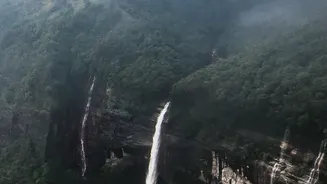
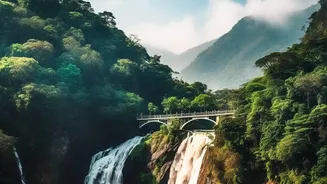
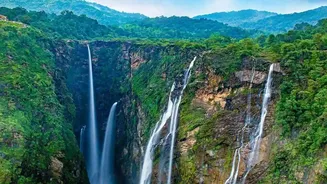
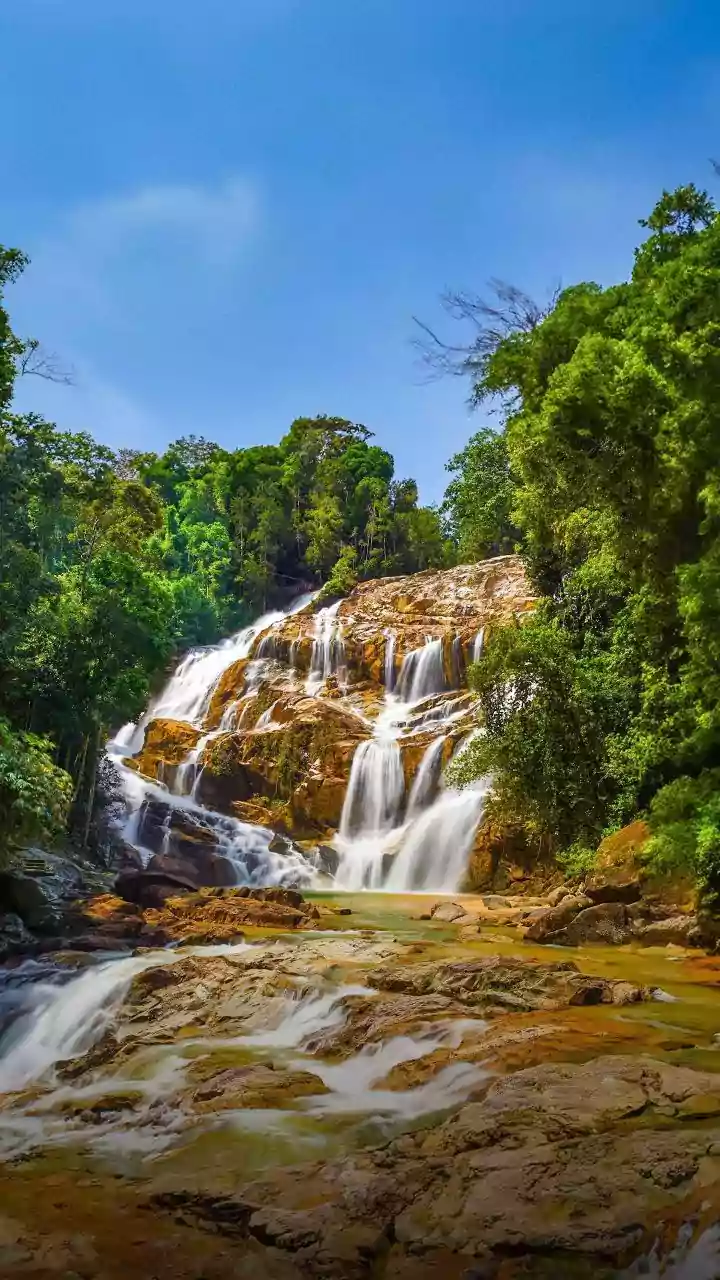
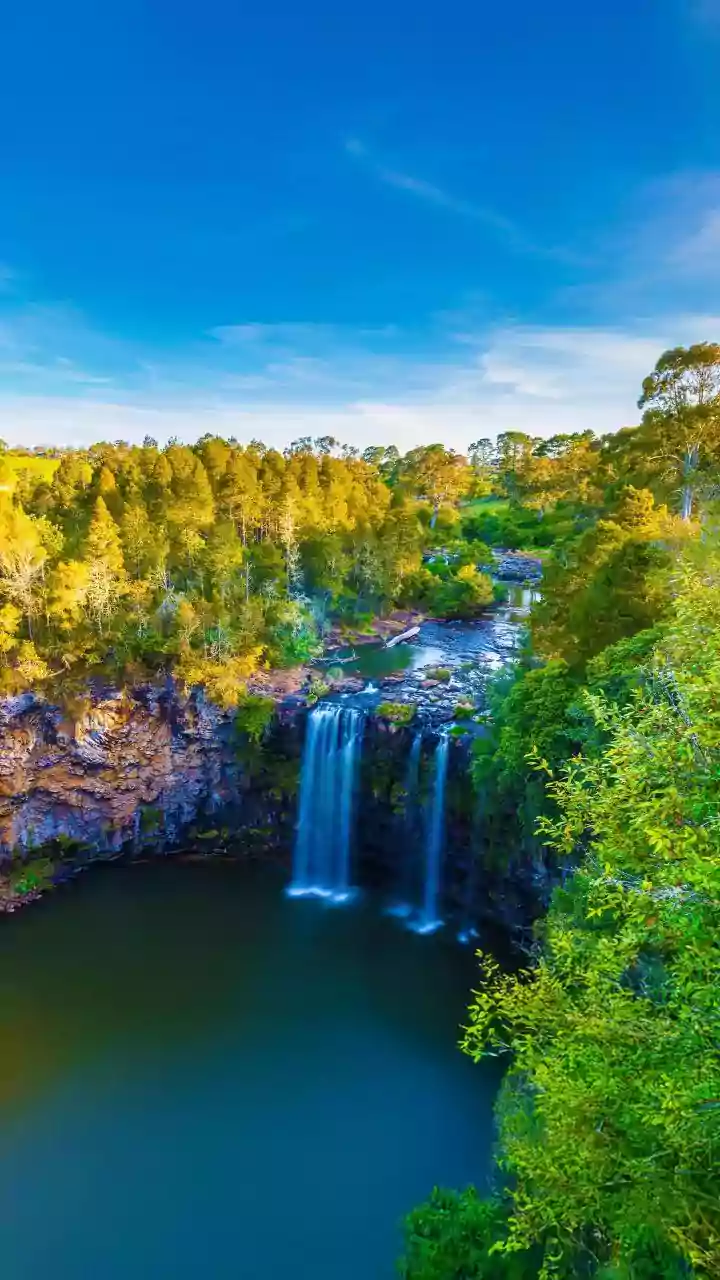
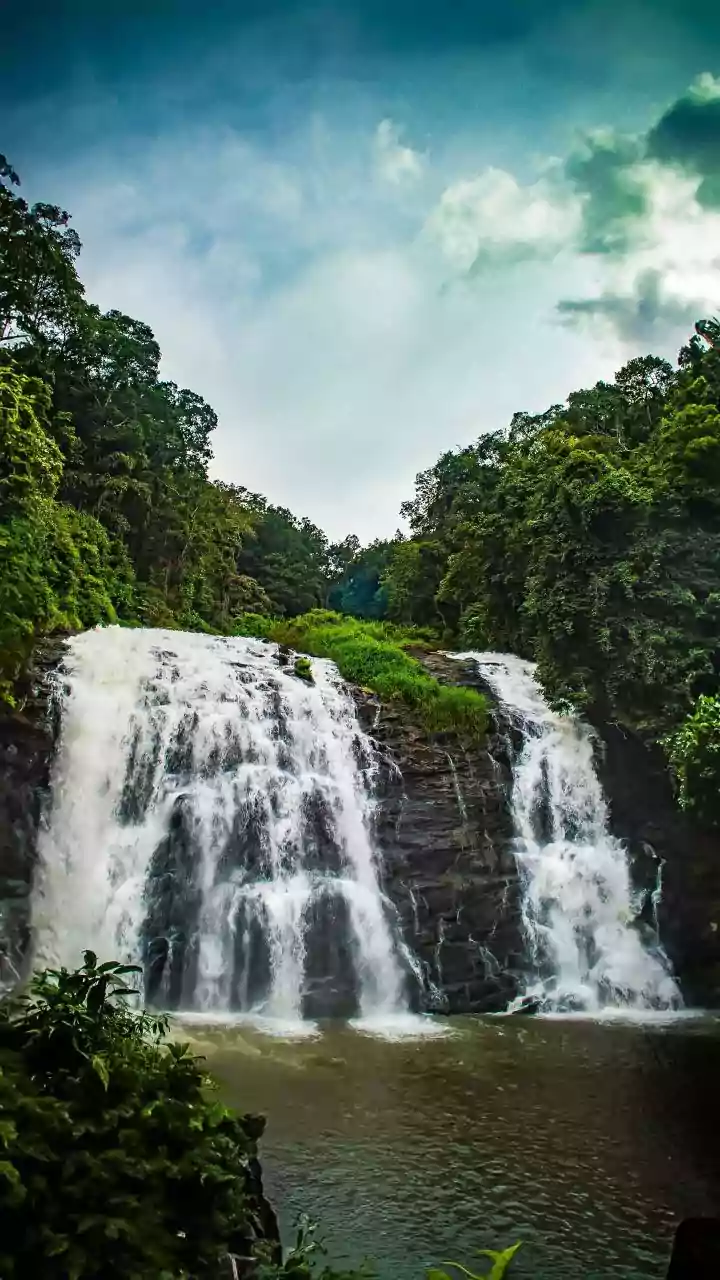
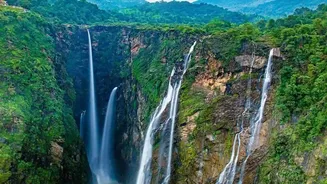
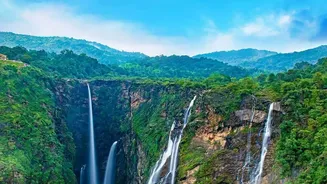
Sohra, also known as Cherrapunji, is famed for its waterfalls, and visiting after the monsoon means seeing them in their prime. Topping the list is Nohkalikai Falls, India's tallest plunge waterfall, which is a truly mesmerising sight during this period. Then there are the Seven Sisters Falls (Nohsngithiang Falls), a spectacular seven-segmented cascade that is best viewed after heavy rains. For a more offbeat experience, seek out Dainthlen Falls, known for its dramatic drop and the fascinating Khasi legends surrounding it. Another worthy stop is the three-tiered Wei Sawdong Falls, which requires a short trek but rewards visitors with its serene, turquoise pools. This is the season when these natural wonders are at their most powerful and photogenic.
Trekking to the Living Root Bridges
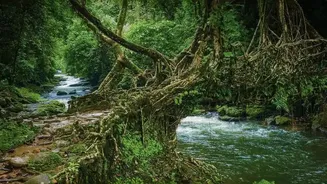
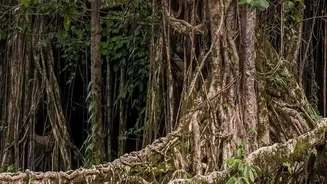
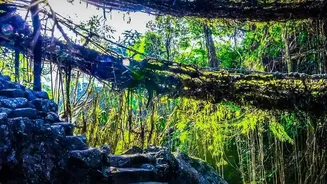
No trip to Meghalaya is complete without witnessing the marvel of its living root bridges. These bio-engineering wonders are created by the Khasi people, who guide the roots of rubber fig trees across rivers to form natural, sturdy bridges that grow stronger over time. The most famous is the Double Decker Living Root Bridge in Nongriat village. Reaching it is a trek in itself, involving a descent of roughly 3,500 stone steps. The journey down takes about 90 minutes to two hours, passing through lush forests and across steel suspension bridges. While challenging, the reward is an otherworldly sight. For those seeking a less strenuous option, the Riwai Root Bridge near Mawlynnong village is much more accessible, requiring only a short 10-minute walk.
Beyond the Obvious: Offbeat Sohra
To truly embrace the spirit of an offbeat getaway, venture beyond the main attractions. Explore the Mawsmai Cave, a well-lit and accessible cave system that offers a glimpse into the region's unique limestone formations. For a more adventurous caving experience, the Arwah Cave is known for its fossils and river flowing through it. Another offbeat gem is the Mawryngkhang Bamboo Trek in Wahkhen village, known as one of the most thrilling and unique treks in the region, involving a trail built entirely of bamboo along a mountain ridge. Alternatively, drive to Laitlum Canyon for breathtaking panoramic views of the hills and valleys, a place that feels like the end of the world. These less-frequented spots offer a more peaceful and intimate experience of Meghalaya's natural beauty.
Your Sohra Travel Planner
Planning your trip is straightforward. The most common route is to fly or take a train to Guwahati, Assam, which is well-connected to major Indian cities. From Guwahati, it's a 3-4 hour drive to Shillong, the capital of Meghalaya. You can hire a private taxi or take a shared Sumo from Guwahati's Paltan Bazaar. Sohra is about a 2-3 hour scenic drive from Shillong. Shared taxis are available from Shillong's Police Bazaar or Mawlonghat. Accommodation in Sohra ranges from luxury resorts like Jiva Resort and San Nael LaResort to a wide variety of charming homestays and guesthouses that offer a more local experience. Pack light layers, comfortable trekking shoes, a rain jacket for occasional showers, and cash, as ATMs can be scarce in remote areas.