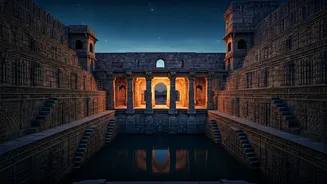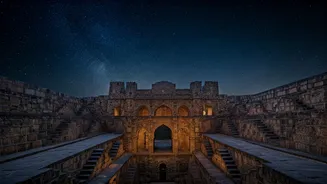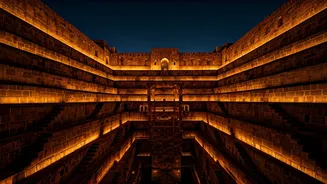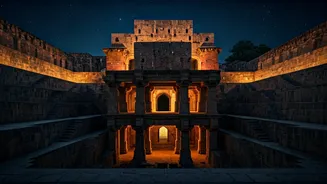



The Inverted Temples
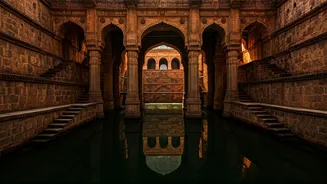
Forget everything you know about wells. We’re not talking about a simple hole in the ground. We’re talking about stepwells—known as 'baoris' or 'vavs'—colossal, subterranean structures that are part architecture, part engineering, and part art. Found
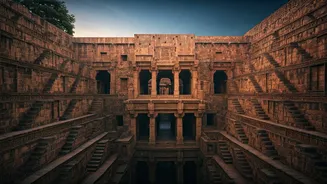
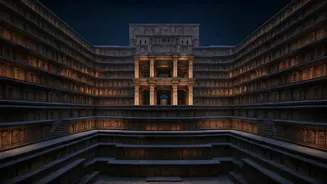
primarily in the arid regions of Gujarat and Rajasthan, these are essentially inverted ziggurats, designed to allow communities to access groundwater tables that fluctuate dramatically between the dry season and the monsoon. Instead of pulling water up with a rope and bucket, people could walk down flights of stairs, sometimes descending several storeys, to reach the water level, no matter how low it dropped. They are a testament to the ingenuity of medieval Indian builders who turned a basic necessity into a breathtaking spectacle.
Architecture That Breathes
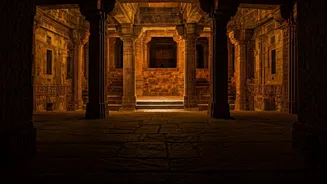
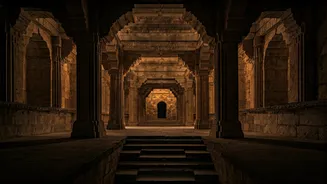
To descend into a stepwell is to enter another world. The scorching heat of the plains vanishes, replaced by a cool, damp stillness. The air grows heavier, and the light shifts as you move deeper. The walls are not bare stone; they are galleries of intricate carvings. You’ll find deities, celestial beings, mythological scenes, and geometric patterns that play with light and shadow. The most famous stepwells are not just utilitarian structures but elaborate, multi-storey palaces built for water. They served as cool, shaded community hubs where people, especially women, could gather away from the oppressive summer heat. They were resting spots for travellers and pilgrims, functioning like ancient, subterranean caravanserais. The sheer symmetry of the steps, creating mesmerising patterns from every angle, makes them a photographer’s dream.
The Monsoon Transformation
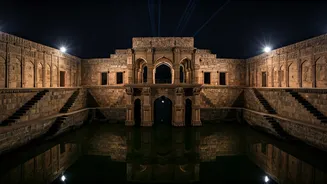
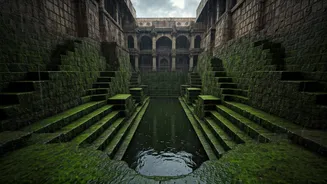
For most of the year, many stepwells are dry, dusty abysses, their steps leading down into darkness. But when the monsoon clouds burst, they undergo a stunning metamorphosis. This is the 'secret' in the headline. Rainwater cascades down the stone steps, filling the cavernous spaces from the bottom up. The dry, ochre stone turns a deep, saturated brown, and the carvings seem to stand out in sharper relief. The well, once silent, now echoes with the sound of dripping water. The once-empty shaft becomes a tranquil, green-tinged pool that reflects the sky far above. The surrounding landscape, parched and brown for months, turns a vibrant, lush green, framing the entrance to this underground world. Visiting a stepwell during the monsoon is to see it as it was intended—not as a relic, but as a living, breathing part of the ecosystem.
Where to Witness the Magic
Two of India’s most spectacular stepwells offer unforgettable monsoon experiences. The first is Rani ki Vav (the 'Queen's Stepwell') in Patan, Gujarat. A UNESCO World Heritage Site, this 11th-century marvel is designed as an inverted temple, with seven levels of stairs adorned with over 500 major sculptures. It’s a masterpiece of the Maru-Gurjara architectural style. Further north, in the village of Abhaneri, Rajasthan, lies Chand Baori. Built around the 9th century, it is one of the deepest and largest stepwells in the world. Its fame comes from its staggering geometry: 3,500 narrow steps descend 13 storeys (about 100 feet) in a perfect symmetrical pattern. The sheer scale and precision are hypnotic, and seeing it partially filled with emerald-green water during the rains is an experience that stays with you forever.