




Before You Leave: The Non-Negotiable Vehicle Check
A safe trip begins before you turn the key. The monsoon season is particularly demanding on your vehicle, so a thorough inspection is critical. Your tyres are the first line of defence on slippery roads; ensure they have adequate tread depth and are correctly
inflated, including the spare. Brakes are just as crucial, as wet roads increase stopping distances. Have them checked for responsiveness. Visibility is life, so inspect all your lights: headlights, taillights, brake lights, and fog lamps. Replace worn-out wiper blades to ensure a clear view through heavy downpours. Finally, test your battery, as the increased use of lights, wipers, and defoggers can strain it.
Pack Smart: Your Monsoon Emergency Kit
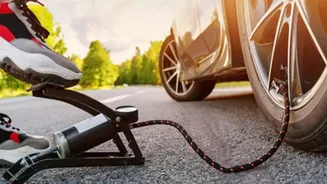
When driving in remote ghat sections, especially overnight, you are your own first responder. Pack an emergency kit that goes beyond a standard first-aid box. Include a powerful, waterproof torch with extra batteries, a reflective warning triangle, and a high-visibility jacket. A portable tyre inflator and a puncture repair kit can be lifesavers. Given the risk of getting stranded due to a landslide or roadblock, pack dry, high-energy snacks like nuts and biscuits, along with ample drinking water. A fully charged power bank is essential, as mobile networks can be unreliable in hilly areas. Also, keep a tow rope and jumper cables handy for unexpected trouble.
On the Road: The Art of Ghat Driving
Mountain roads require a different driving style. During the monsoon, slow down significantly. Reducing your speed gives you more time to react to unexpected hazards like potholes or fallen rocks. Maintain a greater distance from the vehicle ahead of you. When descending steep slopes, use engine braking by shifting to a lower gear rather than relying solely on your brakes. This prevents brake fade and gives you better control. Be extra cautious on hairpin bends, honking to announce your presence. Avoid sudden acceleration or braking, as this can cause you to skid on slippery surfaces. If your car has cruise control, turn it off to remain fully engaged with the driving conditions.
Navigating Night, Rain, and Fog
The combination of darkness and rain dramatically reduces visibility. Always use your low-beam headlights at night in the rain, as high beams reflect off the raindrops and fog, worsening your view. If your car has fog lamps, use them. A common issue is the windshield fogging up from the inside due to humidity. Use your car's air conditioner and defogger to keep the glass clear. If the rain becomes too heavy and you can't see the edges of the road or the vehicle ahead, it is safer to pull over. Find a safe spot, like a designated lay-by, away from traffic, and turn on your hazard lights while you wait for conditions to improve.
Encountering Landslides and Waterlogging
Landslides are a real danger in the ghats during monsoon. Be alert for warning signs like fallen rocks, mud on the road, or tilted trees. If you encounter a landslide, do not attempt to cross it. The ground may be unstable. The safest option is to turn back and find an alternative route or wait for authorities to clear the road. Similarly, never drive through a waterlogged stretch of road if you are unsure of its depth. Deep water can stall your engine and cause significant electrical damage. It's always better to be patient and cautious than to take a risk that could leave you stranded in a dangerous location.
Choosing Your Overnight Halt
Your choice of where to stop for the night is a key safety decision. Plan your route in advance and identify potential towns or establishments for your halt. Before finalizing, try to check recent reviews or local news for any reports of road closures or safety issues in the area. When you arrive, choose a hotel or guesthouse with safe and secure parking. Avoid parking on a steep incline or too close to a hill that looks unstable. Before you set off the next morning, do a quick walk-around of your vehicle to check for any issues and talk to locals about the road conditions ahead. Their on-the-ground knowledge is invaluable.