


Why Winter Weakens Your Skin's Defences
Winter air is not a friend to your skin. The combination of cold, dry air outside and indoor heating creates an environment with low humidity. This relentlessly pulls moisture from your skin, a process known as transepidermal water loss. As a result,
your skin's protective barrier, a crucial layer of oils and cells that keeps moisture in and irritants out, becomes weakened. A compromised barrier makes your skin more vulnerable and reactive, meaning products and ingredients that you tolerate perfectly in summer can suddenly cause redness, stinging, or dryness.
The Problem with Citrus Peels
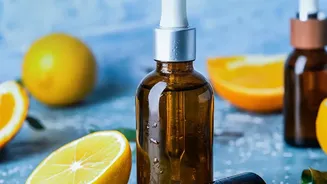
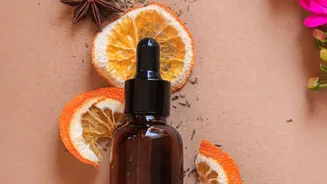
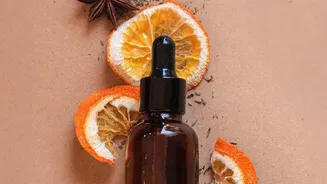
Orange and lemon peels are the most common ingredients in homemade packs, praised for their supposed brightening effects. However, these peels are highly acidic and contain potent essential oils like limonene. Applying them directly to skin, especially skin with a weakened winter barrier, can disrupt its natural pH balance. This can lead to significant irritation, chemical burns, and contact dermatitis. Furthermore, contrary to popular belief, the vitamin C in dried peel powders is often unstable and not in a form that the skin can effectively use to fade dark spots.
Hidden Risks: Phototoxicity and Pesticides
Beyond acidity, some citrus peels pose another risk: phototoxicity. Certain compounds in peels, particularly from lime and bitter orange, can react with sunlight to cause a severe inflammatory reaction, leading to painful burns and lasting dark patches on the skin. While sweet orange is considered lower risk, homemade preparations are not standardised. Another concern is pesticides. Unless you are using certified organic fruits, the peels may carry chemical residues that you are rubbing directly onto your face, which can be a source of irritation.
Safer Ways to Use Nature's Bounty
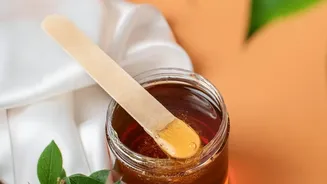
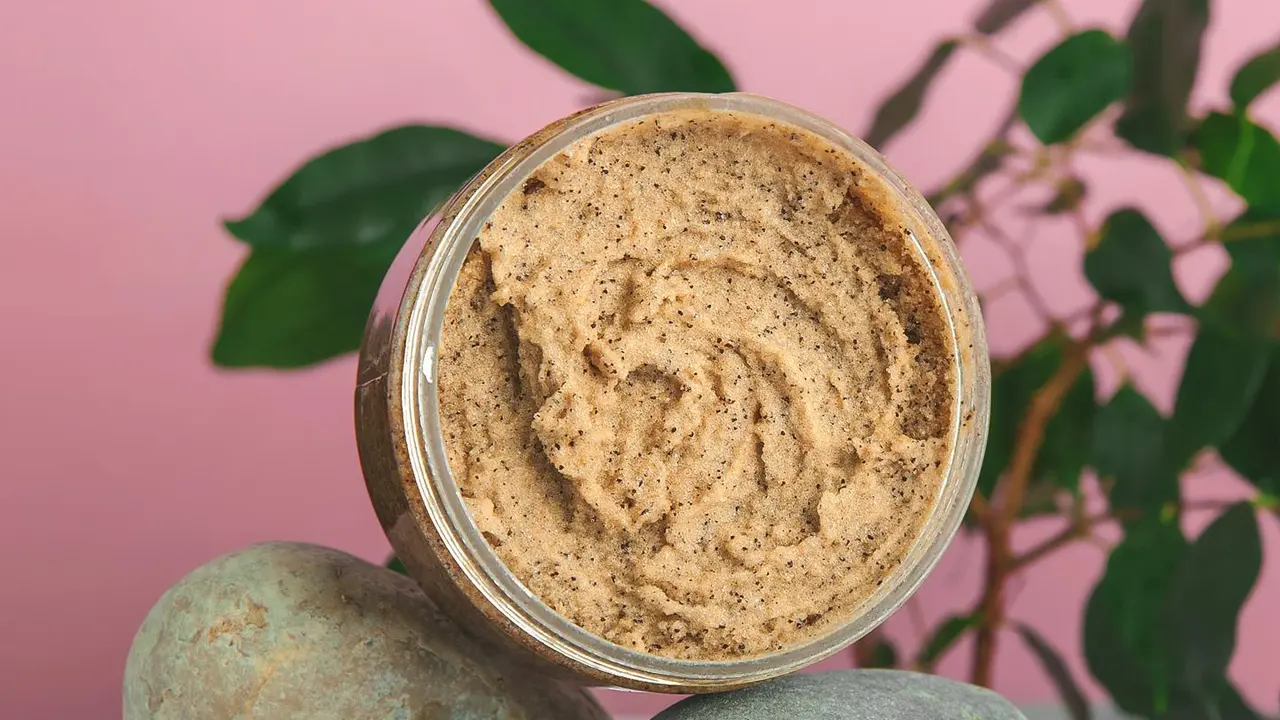
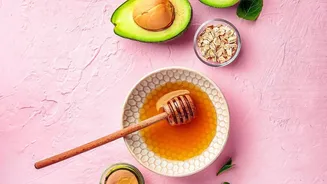
This doesn't mean all-natural ingredients are off-limits. The key is to choose wisely and prep correctly. Instead of using the harsh peel, opt for the pulp of gentler fruits. Mashed banana or avocado can provide hydration and nutrients without the intense acidity. Papaya pulp contains papain, a natural enzyme that offers very gentle exfoliation. For those with dry or sensitive skin, ingredients like honey, yogurt, and oatmeal are soothing and hydrating options. Honey is a natural humectant with antibacterial properties, while oatmeal is known for calming inflammation. No matter what you use, a patch test is non-negotiable. Apply a small amount to your inner arm or jawline and wait 24 hours to see if any reaction occurs before applying it to your entire face.
Professional Formulations vs. DIY
It is important to remember why professionally formulated skincare products are different from kitchen concoctions. A Vitamin C serum or a glycolic acid peel from a reputable brand has been formulated at a specific, effective concentration and a pH level that is safe for the skin. These products contain preservatives to prevent bacterial growth and are tested for stability and safety. A squeeze of lemon juice has an incredibly low pH (around 2) that is far too acidic for the skin, while a DIY fruit mask has an unknown potency and no preservatives, risking both irritation and contamination.