

The Rise of the Vertical Garden
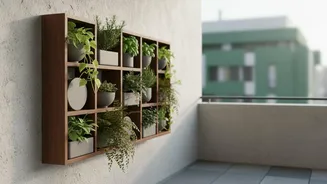
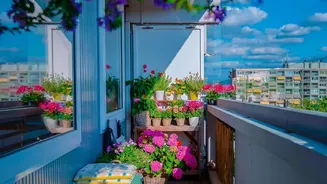
As more people embrace urban living, the desire for a touch of nature has grown stronger. Small-space gardening has become more than a trend; it's a creative solution for balconies, patios, and even sunny indoor walls. Vertical gardening is the star of this
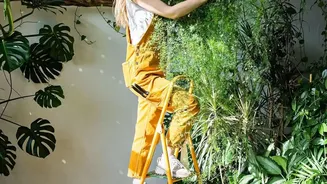
movement, allowing you to grow an impressive amount of plants—from herbs to flowers—by utilizing upward space. This approach is not only efficient but also visually stunning, turning a plain surface into a living piece of art. It’s about making every inch count and bringing the benefits of gardening, like fresh produce and a calming atmosphere, to the most compact of homes.
Walls vs. Railings: Choose Your Canvas
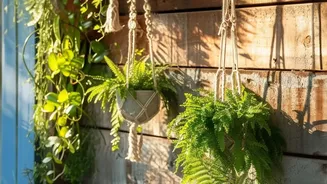
Your two primary canvases for vertical gardening are walls and railings, and each offers unique possibilities. Walls, whether indoors or out, provide a large, stable backdrop for elaborate setups like pocket planters, mounted containers, or trellis systems for climbing plants. They can support more weight and allow for more complex designs, creating a lush 'green wall' effect. Railings, on the other hand, are perfect for balconies and decks. They are ideal for planters that hang over the rail or attach with brackets, bringing greenery to the edge of your space without taking up valuable floor area. Railing planters are excellent for creating privacy screens with taller grasses or adding a cascade of colorful flowers.
Essential Systems and Containers
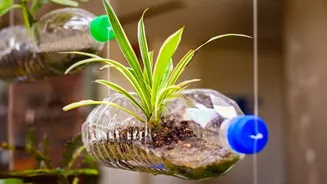
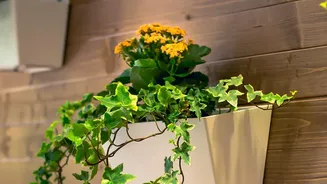
The right hardware is key to a successful vertical garden. For walls, options range from individual wall-mounted pots and shelves to integrated panel systems with felt pockets that hold multiple plants. Trellises are a simple yet effective tool for guiding climbing plants like peas, beans, or flowering vines. For railings, you can find a wide variety of planters designed to fit different railing shapes and sizes, from saddle-style pots that sit directly on the rail to boxes that attach with adjustable hooks. Materials like plastic, resin, metal, and even eco-friendly recycled plastics offer different aesthetics and levels of durability. Self-watering planters are also a fantastic option, as they reduce the frequency of watering, a common challenge for container gardens that dry out quickly.
Best Plants for Going Vertical
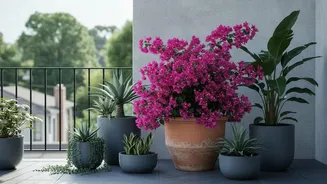
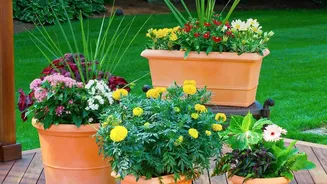
Not all plants are suited for life on a wall or railing. The best choices are typically those with contained root systems and a growth habit that works within the planter's confines. For a kitchen herb garden, consider basil, mint, oregano, and parsley. Succulents are a popular, low-maintenance choice for sunny walls, creating a beautiful tapestry of shapes and colors. For a splash of color, trailing flowers like petunias and begonias work beautifully, spilling over the edges of containers. You can even grow food; compact vegetable varieties like cherry tomatoes, lettuce, spinach, and strawberries thrive in vertical setups with enough sunlight. Trailing plants and ornamental grasses are perfect for softening the hard edges of railings.
Installation and Care Essentials
Proper installation and maintenance are crucial for the health and safety of your garden. Always ensure that any wall-mounted structures are securely fastened to a surface that can support the total weight of the planters, soil, plants, and water. For railings, use planters that are specifically designed for them and ensure they fit snugly. Good drainage is non-negotiable; make sure your containers have drainage holes to prevent root rot. Vertical gardens, especially those in containers, tend to dry out faster than in-ground gardens, so you'll need to monitor soil moisture daily, especially on hot or windy days. A regular feeding schedule with a water-soluble fertilizer will provide the necessary nutrients that are limited in a small soil volume.