

Mastering Paw Care and Hygiene
One of the most critical routines during the monsoon is paw care. Your pet’s paws come into direct contact with muddy, waterlogged streets that can be breeding grounds for bacteria and fungi. It is essential to clean and dry their paws thoroughly after
every walk. Use a soft towel and warm water to gently wipe away dirt, paying close attention to the spaces between their toes where moisture and debris can get trapped. For extra protection, consider using a pet-safe paw balm to prevent cracking. Trimming the hair around the paw pads can also help reduce the amount of mud they bring indoors.
Preventing Skin and Coat Infections
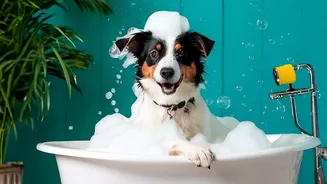
The constant humidity during the rainy season means your pet’s coat may not dry completely, creating an ideal environment for fungal and bacterial skin infections. Issues like hot spots (acute moist dermatitis) and yeast infections are common. The key is to keep your pet as dry as possible. Always towel-dry your dog or cat thoroughly if they get wet, using a hairdryer on a cool, low setting for double-coated breeds. Regular brushing is crucial to remove loose fur, prevent matting, and allow air to circulate. While bathing is necessary, avoid over-bathing as it strips the skin of its natural protective oils; bathing once every two to three weeks with a vet-recommended anti-fungal shampoo is often sufficient.
Guarding Against Parasites
Monsoon is peak season for ticks, fleas, and mosquitoes. These parasites don't just cause itching and discomfort; they can transmit serious diseases like tick fever and heartworm. Even indoor pets are at risk. Stick to your vet-prescribed tick and flea prevention schedule without fail. After walks, inspect your pet’s coat for ticks, especially around the ears, neck, armpits, and paws. Keeping your home clean is also vital. Wash your pet’s bedding frequently in hot water and keep their sleeping area dry. Regularly vacuuming carpets and sofas helps eliminate any pests that may have been brought inside.
The Danger of Contaminated Water
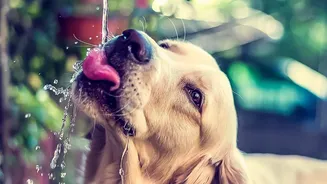
Stagnant puddles might look like a fun splash zone for your dog, but they are incredibly dangerous. This water can be contaminated with harmful bacteria like Leptospira, which causes leptospirosis, a severe and potentially fatal disease. It can also contain parasites that lead to gastrointestinal infections like giardia. Always provide your pet with fresh, clean, and preferably filtered or boiled drinking water. Never allow them to drink from puddles or stagnant sources when outdoors. If you suspect your pet has ingested contaminated water and shows symptoms like fever, vomiting, lethargy, or loss of appetite, contact your vet immediately.
Diet, Immunity, and Indoor Activities
A strong immune system is your pet's best defence. Ensure they are on a balanced, high-quality diet. Some vets recommend a high-protein, easily digestible diet during the monsoon when activity levels might be lower. You can also ask your vet about immunity-boosting supplements. Since long walks might be limited, keep your pet mentally and physically stimulated with indoor activities and games. For pets who get anxious during thunderstorms, create a safe, quiet space for them with their favourite toys or a blanket. Playing soft music can also help muffle the sound of thunder.
Know the Warning Signs
Vigilance is key. Many monsoon-related illnesses start with mild symptoms but can escalate quickly. Be on the lookout for excessive scratching or licking, redness on the skin, foul odours from the ears or coat, and changes in appetite or energy levels. Symptoms of leptospirosis can include fever, muscle stiffness, vomiting, and jaundice (yellowing of the eyes or gums). If you notice any of these signs, don't wait. A pre-monsoon check-up to ensure vaccinations and deworming are up to date is also a wise preventative measure.