





A Nation on the Move
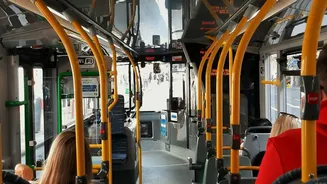
India's travel and tourism sector is experiencing unprecedented growth. In 2025, the industry contributed over $263 billion to the economy, propelled by a massive domestic market. This surge is visible across all modes of transport. The private intercity
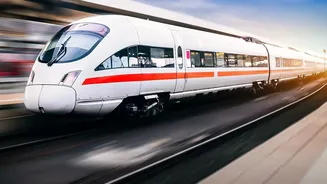
bus market, for instance, saw a 24% year-on-year increase in passenger journeys between October 2025 and March 2026. Similarly, the rail market is projected to reach ₹801 billion by 2026. This boom in travel, particularly the rise in shared mobility among young professionals, is putting immense pressure on existing infrastructure. Airports, railway stations, and bus terminals are more crowded than ever, turning what should be a simple pickup into a logistical nightmare.
The Anatomy of a Messy Pickup
The scene is familiar to any frequent traveller: you arrive, tired after a long journey, and book a cab. What follows is a frustrating series of events. The driver can’t find the designated pickup zone, or there are multiple, poorly marked zones. You’re at Gate 4, but the app’s pin is at Gate 1. You try calling, but the noise of the crowd and constant announcements makes conversation impossible. The driver, circling the congested pickup lanes, is also getting frustrated. These issues are common at India's busy transit hubs, where high volumes of traffic and people create a confusing environment for both passengers and drivers, leading to delays and stress. Features like Uber's 'Pickup Notes' were created specifically to tackle this widespread problem.
Crafting the Perfect Pickup Note
A few well-chosen words can be the difference between a quick getaway and a 20-minute search. Most ride-hailing apps allow you to add a short message for your driver after booking. Use this feature wisely. Instead of a vague “I’m here,” provide specific, actionable information. Mention a prominent, unmoving landmark: “Standing near the large blue ‘Departures’ sign” or “under the flyover at Pillar 26.” Specifying your location relative to the terminal exit is crucial. For example, “At the far end of the pickup lane, past the police booth.” Describing what you’re wearing (“red jacket, blue suitcase”) can also be incredibly helpful, especially in a crowd. Think like a driver: what one piece of information would make you easiest to spot?
Essential Dos and Don'ts
To ensure a smooth experience, follow these simple guidelines. DO be specific about gate numbers, pillar numbers, or prominent shops. DO update your driver if you have to move. DON’T just say “at the entrance” when there are multiple entrances. DON’T wait until the driver has already arrived to start looking for the car. Be proactive. As soon as you book, start heading towards the most logical and easily describable pickup point. If possible, walk a little away from the most congested area to a spot where a car can safely and legally stop. A short walk can save you a long wait. Clear communication is a two-way street; answering your phone promptly when the driver calls can resolve confusion quickly.
Why It Matters More Than Ever
The growth in intercity travel is not slowing down. Routes connecting major metros with Tier-2 cities are seeing the fastest growth, bringing more people to regional airports and bus stands that may be less equipped for high traffic. A recent survey showed that over 76% of travellers expect to increase their use of shared mobility in the coming years. As more people opt for buses, trains, and app-based cabs for their journeys, the strain on pickup and drop-off points will only intensify. While long-term solutions require infrastructure upgrades, the immediate solution lies in better communication. Mastering the art of the pickup note is no longer just a convenience; it’s an essential skill for the modern Indian traveller.