

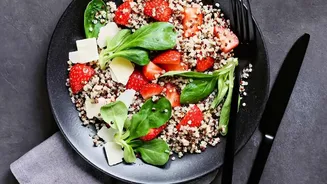
The Myth of the 'Healthy' Salad
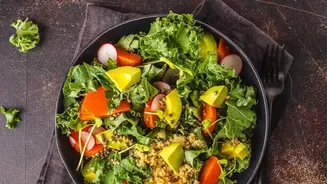
We have been conditioned to see the word 'salad' as a synonym for 'healthy'. This is a classic example of the 'health halo' effect, where one positive attribute, like being a salad, makes us believe the entire meal is nutritious. However, not all salads
are created equal. Many are nutritional traps in disguise, packed with creamy dressings, fried toppings, and minimal protein. These additions can load a salad with as much fat and calories as a burger or a packet of chips. The result is a meal that looks virtuous but offers little in terms of sustained energy, leaving you unsatisfied and prone to reaching for unhealthy snacks shortly after.
Why Protein Is the Real MVP
So, what makes a salad truly effective? The answer is protein. Protein is the most satiating of the three macronutrients (the others being fats and carbohydrates). It works by reducing the hunger hormone, ghrelin, while boosting appetite-suppressing hormones. This means a protein-rich meal helps you feel fuller for longer, curbing cravings and reducing your overall calorie intake. Beyond satiety, protein is crucial for maintaining and repairing muscle, boosting your metabolism, and ensuring your body has the essential amino acids it needs to function properly. A lunch that skimps on protein is a missed opportunity to fuel your body and power through your afternoon.
Building a Better Lunch Bowl
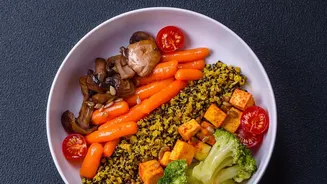
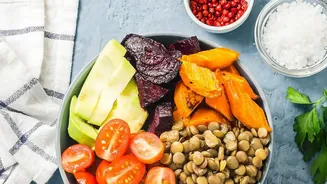
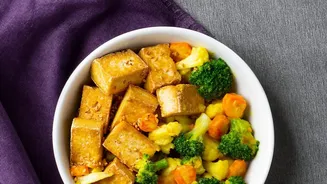
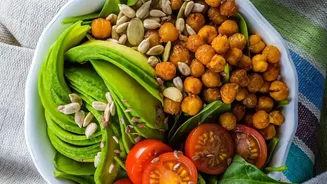
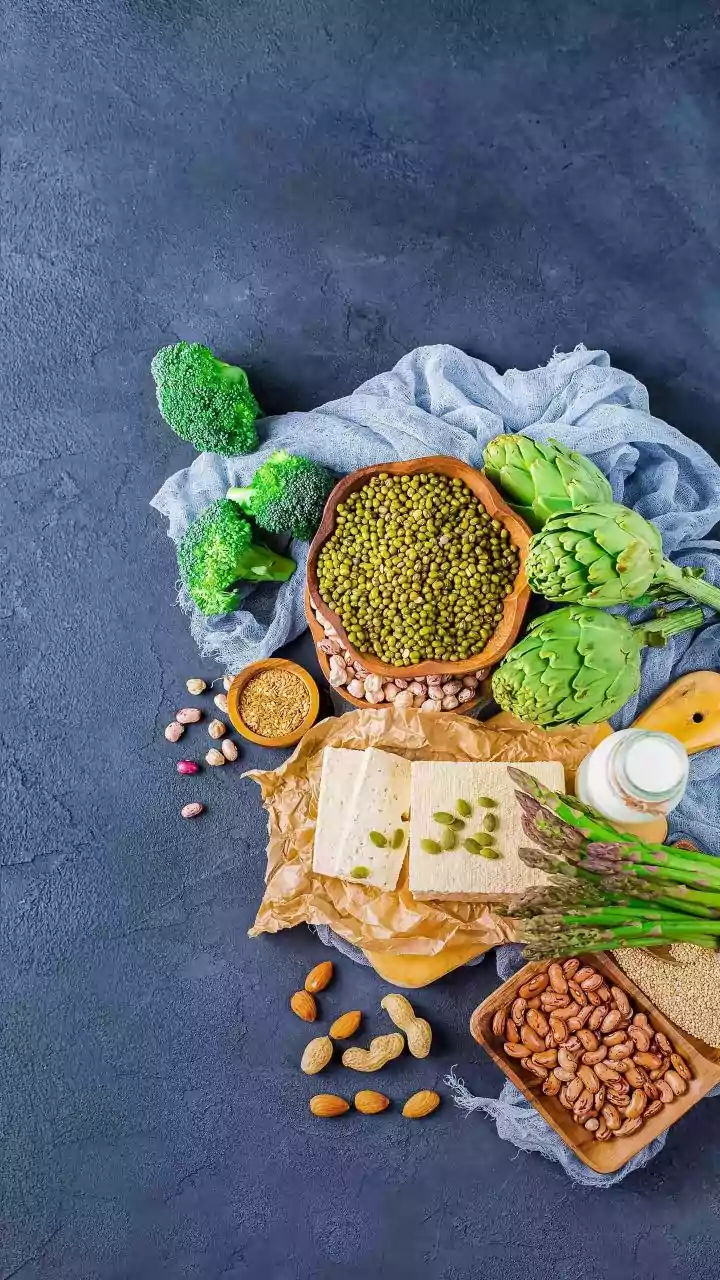
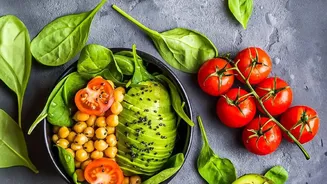
Transforming a sad desk salad into a satisfying meal is simple when you focus on protein. Aim to include a substantial portion of a high-quality protein source. For vegetarians, options are plentiful and delicious. Think about adding a generous serving of paneer, a cup of boiled chickpeas (chana), kidney beans (rajma), or lentils. Moong sprouts and tofu are also excellent choices that pair well with Indian flavours. For those who eat meat and eggs, grilled chicken breast, fish like salmon or tuna, and hard-boiled eggs are fantastic additions. The goal is to make protein the star of the show, not just a token sprinkle on top of a pile of lettuce.
Watch Out for Hidden Saboteurs
Even with a good protein base, certain ingredients can sabotage your efforts. Be wary of creamy, store-bought dressings like ranch or thousand island, which are often high in unhealthy fats, sugar, and sodium. Similarly, toppings like fried croutons, crispy noodles, and excessive cheese can add hundreds of unnecessary calories. Instead, opt for a simple homemade dressing using hung curd, lemon juice, olive oil, and herbs. For crunch, swap croutons for roasted chickpeas, seeds, or a small handful of nuts. By being mindful of these extras, you ensure the calories in your bowl are coming from nutrient-dense sources.
How Much Protein Is Enough?
While individual needs vary based on age and activity level, a good general guideline for a satisfying meal is to include between 15 and 30 grams of protein. To put that into perspective, 200 grams of paneer or a large chicken breast each contain well over 30 grams of protein. A cup of chickpeas provides around 15 grams. You don't need to count every gram obsessively. Simply ensure your salad includes a portion of protein about the size of your palm. This simple visual cue can help guarantee your lunch has enough substance to keep you energised and focused, proving that a well-built salad is one of the best choices you can make.