


Natural Air Conditioners
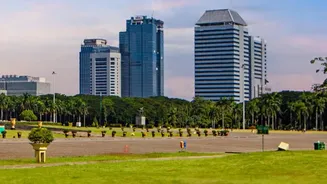
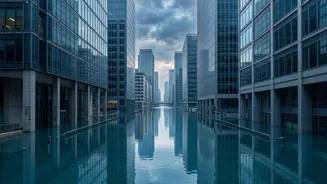
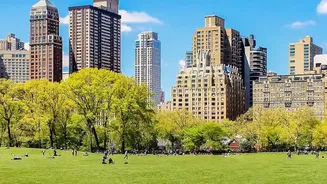
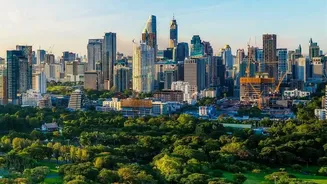
Indian cities are getting hotter, and the 'urban heat island' effect is a major reason why. Concrete, asphalt, and dark rooftops absorb and radiate the sun’s energy, making urban areas significantly warmer than their rural surroundings. Parks act as natural
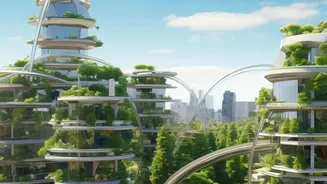
air conditioners, tackling this problem head-on. Trees provide shade, which is the most straightforward way to cool surfaces. But they also cool the air through a process called transpiration, where they release water vapour from their leaves. This cooling effect isn't confined within the park's boundaries; it can extend into the surrounding neighbourhoods, offering relief to residents even on the steamiest nights. Studies have shown that large green spaces are one of the most effective tools cities have to combat rising temperatures and make urban living more bearable.
The Heartbeat of the Community
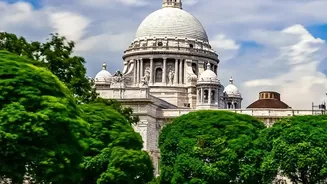
Parks are the great equalisers of city life. They are free, public spaces where people from all walks of life can gather, interact, and relax. Think of the morning laughter clubs in Mumbai, the running groups that meet in Bengaluru's Cubbon Park, or the families enjoying a simple evening out in Delhi's Lodhi Garden. These spaces foster a sense of community and belonging that is often lost in the anonymity of a big city. They serve as neutral ground for social interaction, reducing isolation and building trust among neighbours. From farmers' markets to cultural festivals, parks provide a platform for civic life, strengthening the social fabric that holds a community together.
An Open-Air Prescription for Health
The health benefits of parks are so profound that some experts say if they were a medicine, everyone would be taking it. They offer free and accessible spaces for physical activity, from jogging and yoga to a simple stroll, which helps combat sedentary lifestyles. Access to green space is consistently linked to better cardiovascular health and lower stress levels. But the benefits extend to mental well-being, too. Spending time in nature, even in an urban setting, is proven to reduce anxiety and mental distress. In a high-pressure urban environment, a park provides a crucial sanctuary for relaxation and mental clarity, offering a much-needed escape from the noise and rush.
Economic and Ecological Powerhouses
While we may not think of parks in economic terms, they are significant assets. Properties located near well-maintained parks often have higher values, which benefits homeowners and boosts local tax revenue. Parks also attract people, supporting nearby cafes and shops. But their value runs deeper. Ecologically, urban parks are vital pockets of biodiversity, providing habitats for birds, insects, and small animals in an otherwise concrete jungle. They also play a crucial role in environmental management by absorbing stormwater, which reduces the strain on drainage systems and helps prevent flooding. Their trees and plants filter air pollutants, contributing to cleaner air for everyone.