





Adopt a Layering Mindset
The secret to packing light for any weather, especially rain, is to abandon the idea of a single, bulky coat. Instead, think like a seasoned hiker and build a versatile layering system. This approach gives you multiple outfit options and the ability to adapt
to changing temperatures throughout the day. A typical three-part system includes a base layer to manage moisture, a mid-layer for warmth, and a lightweight outer shell to block wind and rain. This is far more space-efficient than a heavy, insulated raincoat, which offers little versatility if the weather brightens.
Choose Your Shell Jacket Wisely
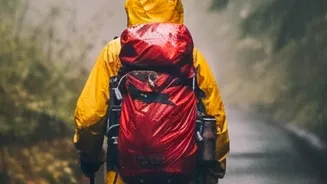
Your most critical piece of gear is a high-quality, packable waterproof jacket. Look for terms like 'ultralight' and 'packable'. Many modern rain jackets are designed to fold into their own pocket, compressing down to the size of a small pouch. Fabrics like Gore-Tex Paclite or other proprietary nylon shells with sealed seams offer excellent waterproofing without the weight. This will be your primary shield against downpours, so it's a worthy investment. A good hood is non-negotiable. Avoid fashion jackets that are merely 'water-resistant'; they won't hold up in sustained rain.
Don't Forget Waterproof Bottoms
While a jacket protects your top half, waterproof trousers are essential for staying truly dry while walking around. Like the jacket, look for a lightweight, packable pair that can be easily pulled on over your regular trousers or leggings. For footwear, a single pair of waterproof walking shoes or stylish boots is usually sufficient. Wear these on the plane to save a significant amount of weight and bulk in your bag. Ensure they are comfortable enough for a full day of exploring, as wet feet can ruin any trip.
Embrace the Magic of Merino
To reduce the number of clothes you need, turn to merino wool. This natural fibre is a traveller's best friend because it regulates body temperature, keeping you warm even if it gets a little damp. Crucially, merino is naturally odour-resistant, meaning you can wear base layers, socks, and sweaters multiple times before they need washing. Packing two or three merino t-shirts instead of seven cotton ones drastically cuts down on bulk and weight. The fabric is also wrinkle-resistant, so your clothes will look fresh straight out of the suitcase.
Master a Strategic Packing Method
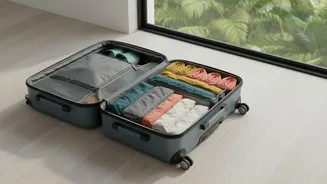
How you pack is as important as what you pack. Invest in a set of compression packing cubes. These zippered fabric containers not only keep your bag organised but also squeeze excess air out of your clothes, significantly reducing their volume. Roll your clothes tightly before placing them in the cubes. This technique minimises wrinkles and allows you to fit more into each cube. Arrange the cubes inside your luggage like a game of Tetris to maximise every square centimetre of space. Keep a separate small, waterproof pouch for any electronics or documents.
Wear Your Weight, Pack the Lightest
The simplest trick for meeting a strict weight limit is to wear your heaviest and bulkiest items on the plane. This always includes your shoes or boots and your rain jacket. You might feel a bit warm in the airport, but you can easily remove the jacket once you're on board. If you're also bringing a fleece or a sweater as a mid-layer, wear that too. Airlines weigh your bag, not you. This strategy alone can save one to two kilograms, making the 7kg limit much more achievable and freeing up precious space for everything else you need for your seven-day trip.