




What 'Off-Grid' Really Means in Wayanad
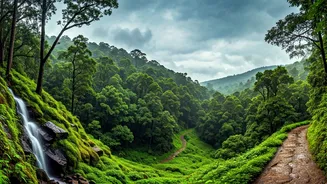
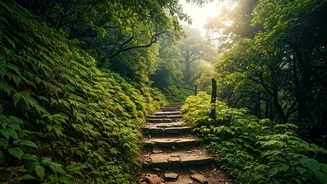
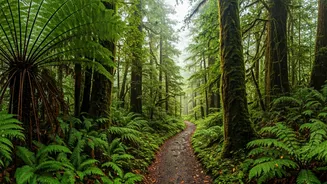
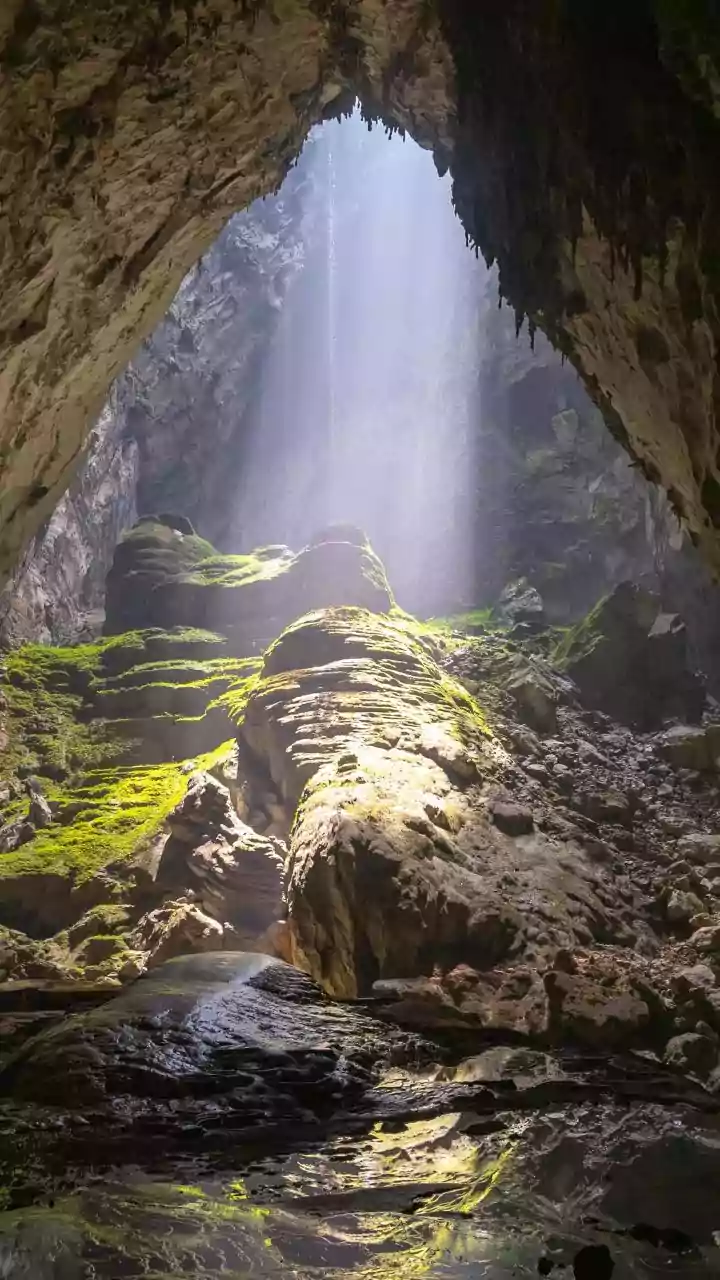
In an always-on world, 'off-grid' in Wayanad is an experience. It means trekking through dense shola forests where mobile signals fade away, replaced by birdsong. It’s about navigating trails that aren't perfectly paved, often requiring a local guide
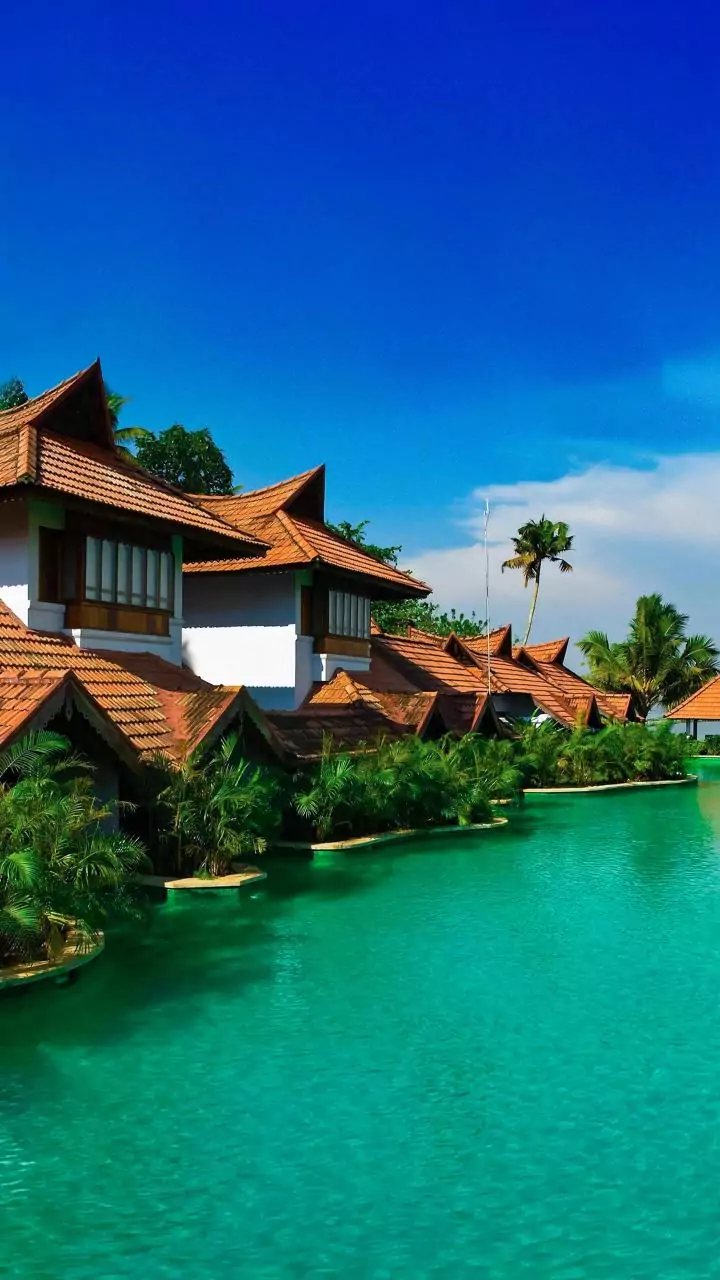
who knows the terrain intimately. The adventure is amplified by the region’s commitment to eco-tourism, with many stays being authentic, family-run homestays or eco-lodges nestled in spice plantations rather than sprawling resorts. This setup ensures that your adventure is immersive, sustainable, and deeply connected to the local ecosystem. The focus is less on luxury and more on the serene, untouched beauty of the landscape.
The Classic Climb: Chembra Peak
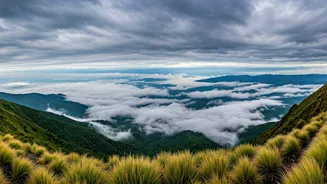
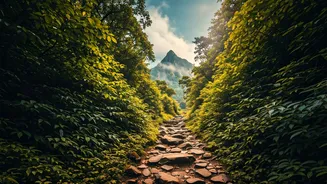
No trek in Wayanad is more iconic than Chembra Peak, the highest point in the district at 2,100 meters. While trekking to the absolute summit is currently restricted due to wildlife movement, the trail to the famous heart-shaped lake, 'Hridaya Saras,' remains a captivating challenge. The trek, which is of easy-to-moderate difficulty, takes you through lush tea estates before opening up into rolling grasslands with panoramic views. Getting there requires a permit from the Forest Department, and only a limited number of trekkers are allowed each day to preserve the fragile environment. This regulation, while requiring some planning, ensures the trail never feels overcrowded.
For a True Challenge: Banasura Hill and Pakshipathalam
For seasoned trekkers looking for a more demanding adventure, Banasura Hill offers a strenuous but rewarding climb. As the second-highest peak in Wayanad, its trails wind through dense forests and vast meadows, offering stunning views of the Banasura Sagar Dam below—the largest earthen dam in India. The trek is considered moderately difficult and can take around 5-6 hours to complete. Another challenging option is the Pakshipathalam trek in the Brahmagiri Hills. The name translates to 'abode of birds,' and the trail leads through thick forests and ancient rock caves, making it a paradise for birdwatchers and those seeking solitude. Both treks require prior permission from the forest department and the expertise of a local guide.
Beyond the Peaks: Waterfalls and Ancient Caves
Wayanad's trekking landscape isn't just about conquering peaks. The district is dotted with trails leading to spectacular waterfalls and historical sites. The trek to Meenmutty Falls, one of the largest waterfalls in the area, is an adventure in itself, involving navigating rocky paths and crossing streams. Similarly, the Thusharagiri trek is famous for its series of cascading waterfalls. For a mix of history and mild adventure, the hike to Edakkal Caves is a must-do. A short but steep climb leads to these prehistoric rock shelters, which contain Neolithic petroglyphs dating back thousands of years, offering a fascinating glimpse into an ancient world.
Essential Planning for Your Wayanad Trek
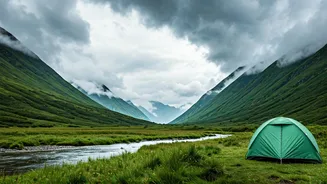
The best time for trekking in Wayanad is generally from October to February, when the weather is cool and the post-monsoon greenery is at its most vibrant. Always secure permits in advance, especially for popular treks like Chembra, as they are often required and can be limited. Hiring a registered guide is mandatory for most forest trails; they not only ensure your safety but also enrich the experience with local knowledge. Sturdy, waterproof trekking shoes are essential, as trails can be slippery and rugged. Finally, respect the local rules—many areas are plastic-free zones, and activities like overnight camping are often prohibited to protect both trekkers and wildlife.