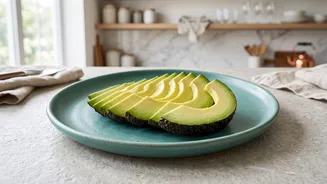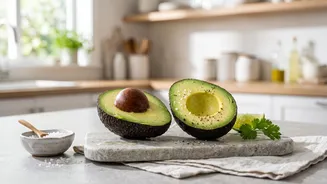




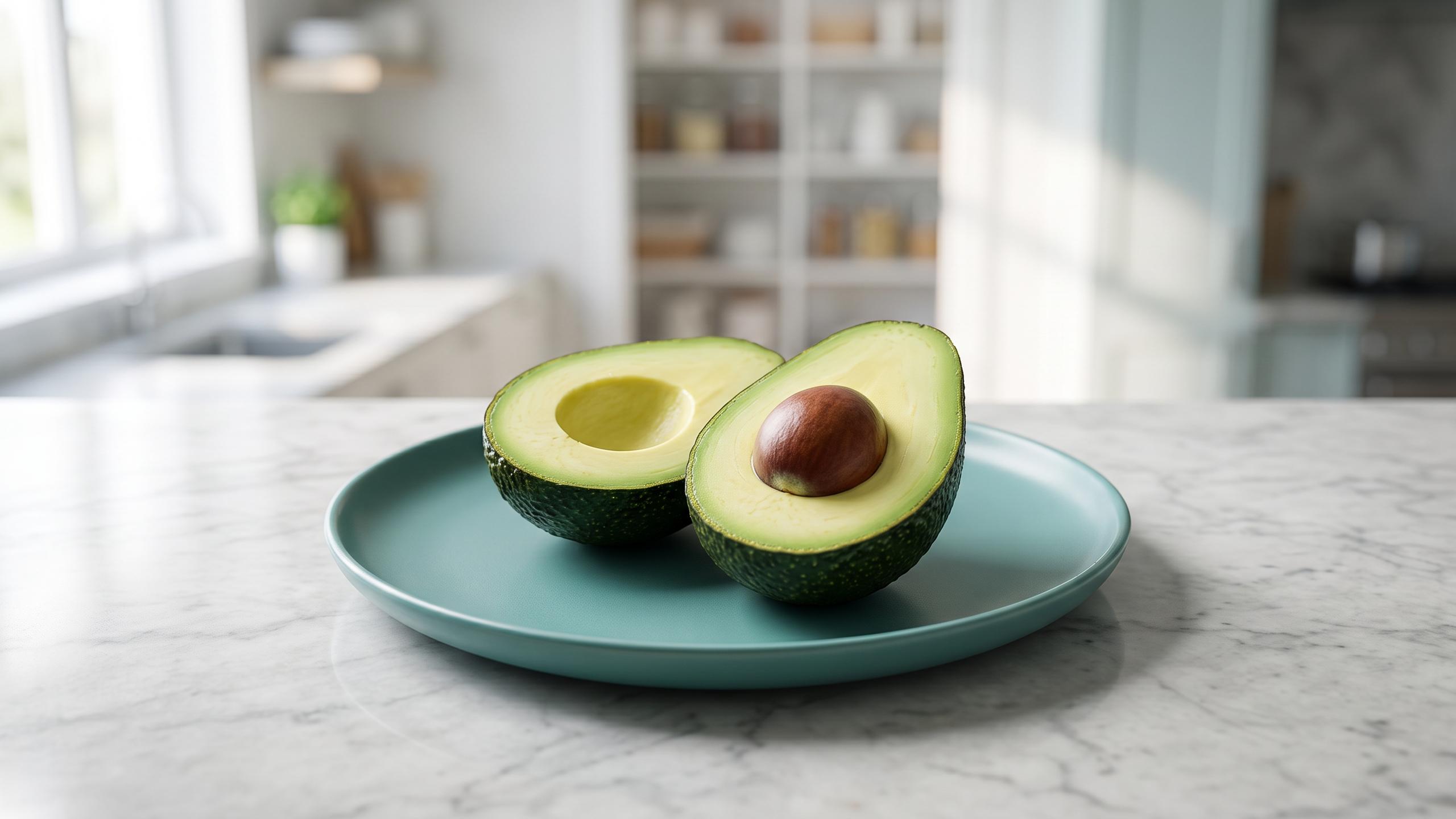


Avocados have a stellar reputation as a 'superfood', often linked to everything from heart health to a slimmer waistline. But what about their role in brain nutrition? This piece explores the science behind how avocados might support your brain.
The Brain-Boosting Nutrients in Avocados
Avocados
are packed with nutrients that are promising for brain health. They are a rich source of monounsaturated fatty acids (MUFAs), a type of healthy fat that is also prominent in the Mediterranean diet. Research suggests that diets high in MUFAs are protective against age-related cognitive decline. These fats are crucial for maintaining the structure of brain cells and may help improve blood flow to the brain, which is essential for focus and memory. Beyond fats, avocados also contain lutein, a pigment and antioxidant that accumulates in the brain and eyes. Some studies have shown that daily avocado consumption can increase lutein levels in the body, which has been linked to improvements in memory, attention, and problem-solving skills, particularly in older adults.
Do Avocados Alone Improve Cognition?
While the nutritional profile of avocados is impressive, the idea that eating one a day will single-handedly sharpen your mind might be an oversimplification. Recent scientific studies have yielded mixed results. For instance, a 2026 randomized controlled trial published in 'The Journal of Nutrition, Health and Aging' found that consuming one avocado daily for six months did not significantly improve cognitive function in overweight adults compared to a control group that avoided avocados. This doesn't mean avocados are without benefits; it simply highlights that their cognitive effects may not be dramatic or universal when studied in isolation. The takeaway is nuanced: avocados contribute beneficial nutrients, but they aren't a magic bullet for brainpower on their own.
Understanding 'Overall Diet Quality'
This brings us to the most critical part of the conversation: overall diet quality. Nutrition science is moving away from focusing on single 'superfoods' and toward understanding the power of dietary patterns. A high-quality diet is one that consistently includes a wide variety of nutrient-dense foods like fruits, vegetables, whole grains, lean proteins, and healthy fats. Eating patterns like the Mediterranean, DASH, and MIND diets have been consistently linked with slower cognitive decline and a reduced risk of dementia. These diets work because they provide a synergistic blend of vitamins, minerals, antioxidants, and anti-inflammatory compounds that protect the brain from damage and support its functions over the long term. A single food, no matter how nutritious, cannot replicate the complex benefits of a consistently healthy eating pattern.
How to Fit Avocados into a Brain-Healthy Diet
The best way to leverage the nutritional power of avocados is to think of them as a valuable player on a well-rounded team. Instead of just adding avocado toast to a diet of processed foods, incorporate avocados into an already healthy framework. Add slices to a colourful salad full of leafy greens, bell peppers, and nuts. Blend it into a smoothie with spinach, berries, and a source of protein. Use it as a substitute for less healthy saturated fats, for example, by replacing mayonnaise on a sandwich with mashed avocado. By doing this, you're not just getting the monounsaturated fats and lutein from the avocado; you're also benefiting from the fiber, vitamins, and other phytonutrients in the accompanying whole foods. This 'whole diet' approach is what research overwhelmingly supports for longterm brain health and cognitive resilience.