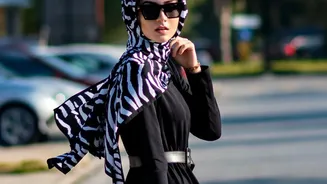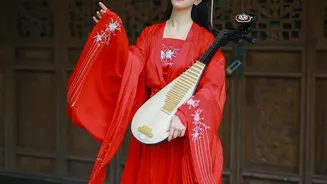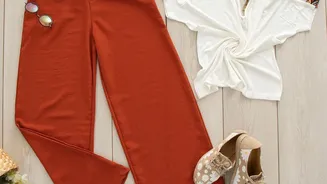

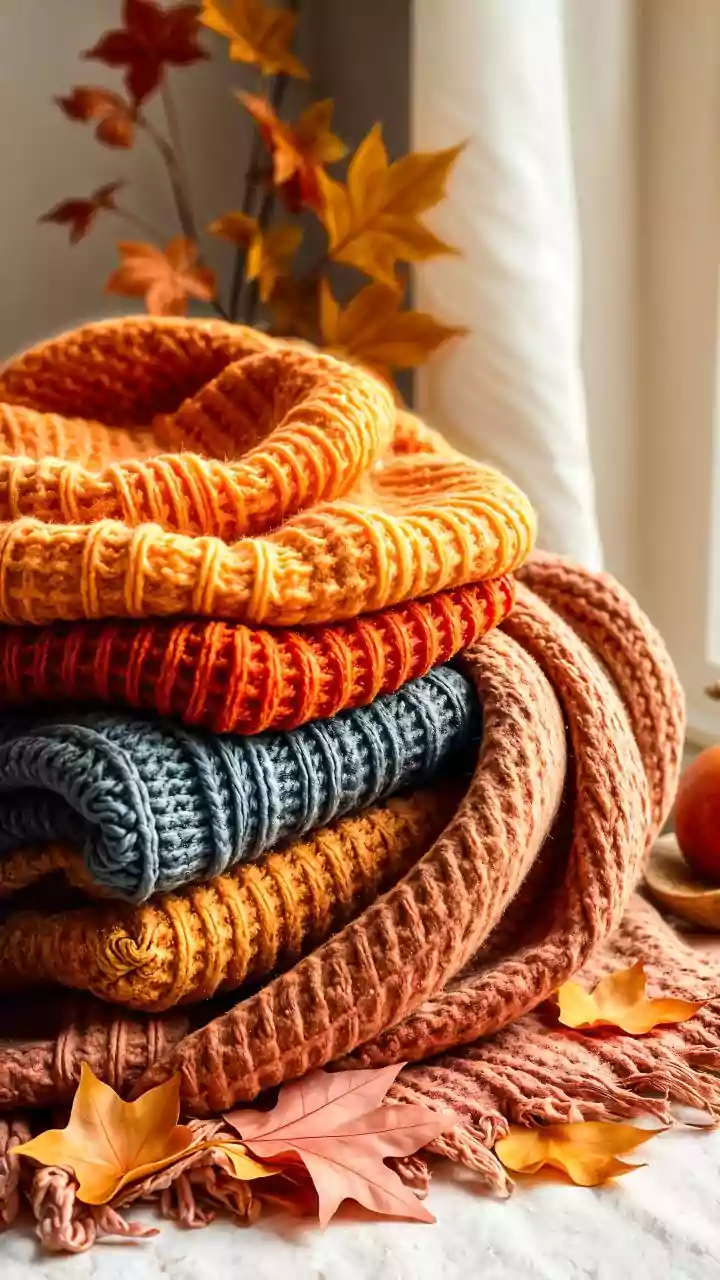



Comfortable, loose-fitting clothes are a wardrobe staple, but they can often leave you feeling shapeless. The solution is simpler than you think: a well-chosen belt is the single most transformative accessory for adding definition and intent.
Choose the Right Belt for the Job
Before you
cinch, consider the task. The first step is to select a belt that complements the garment. A wide belt, about 1.5 to 2 inches, is perfect for adding structure to heavier fabrics like oversized blazers, coats, or chunky sweater dresses. It has enough presence to create a defined waist without getting lost in the volume. For lighter materials like flowy maxi dresses, tunics, or oversized cotton shirts, a skinny or medium-width belt is a better choice. It will define your silhouette without overwhelming the fabric. A classic leather belt is the most versatile option for any wardrobe, but don't overlook other materials. A woven or braided belt can add a relaxed, textural element to casual looks, while a fabric sash or tie belt is ideal for soft knits.
Mastering Your Placement
Where you place the belt can dramatically alter your proportions. For the most universally flattering look, position the belt at your natural waist—the narrowest part of your torso, usually just above your navel. This is the best way to create or accentuate an hourglass figure and is the go-to placement for cinching dresses, blazers, and cardigans. For a different effect, try placing a slim belt just under the bustline. This creates an empire waist, which can make your legs appear longer and works beautifully with flowing maxi dresses. A low-slung belt worn loosely on the hips offers a more relaxed, bohemian vibe, perfect for straight-cut dresses or long tunics. The key is to experiment in front of a mirror to see which placement best flatters your frame and the specific outfit.
Transforming Dresses and Tunics
Belting a dress is perhaps the most common way to add instant shape. A shapeless shirt dress or a loose-fitting midi can look entirely different once cinched at the waist. When you fasten the belt, gently pull a little fabric over the top to 'blouse' it. This creates a more relaxed and intentional look, preventing the fabric from bunching up or looking too tight. For oversized shirt-dresses or long tunics, a medium-width belt at the natural waist gives them structure while maintaining their easy-going feel. With flowy maxi dresses, a slim or braided leather belt can break up the column of fabric and highlight your shape without disrupting the relaxed vibe.
Taming Knitwear and Outerwear
Don't be afraid to belt your coziest garments. An oversized sweater or a shapeless sweater dress can be transformed with the right belt. Opt for a medium or wide belt that can hold its own against the thick knit fabric; a skinny belt will likely get lost. The same logic applies to outerwear. Cinching a belt over a boxy blazer, a long cardigan, or even a trench coat gives the garment a waist where it might not otherwise have one. This creates a polished, tailored silhouette and prevents bulky layers from overwhelming your frame. When belting a coat or blazer, fasten the garment first and then place the belt over the top for the cleanest line.
Finishing Touches Make the Look
The small details can elevate your entire outfit. Consider the belt's hardware. Matching the buckle's metal (like gold or silver) to your jewellery or the hardware on your handbag creates a cohesive, pulled-together look. When it comes to colour, the old rule of matching your belt to your shoes still works for a classic, elongating effect. However, using a belt in a contrasting colour can turn it into a statement piece that becomes the focal point of your outfit. Finally, pay attention to the 'tail' of the belt. A long, flapping end can look unintentional. For a clean finish, tuck the end back through the loop or create a small knot to keep it tidy.