







The Monsoon Challenge in Indian Homes
The rainy season in India creates a unique set of challenges for homeowners and renters alike. High humidity and persistent dampness turn homes into ideal breeding grounds for mould, mildew, and a variety of pests like cockroaches, ants, and silverfish.
Walls become damp, clothes take forever to dry, and a persistent musty odour can permeate cupboards and rooms. This is especially difficult for renters, who may have limited options for making structural changes. Opting for low-chemical, DIY solutions is not only cost-effective and healthier but also empowers you to tackle these seasonal issues with items that are readily available.
White Vinegar: The Anti-Mould All-Star
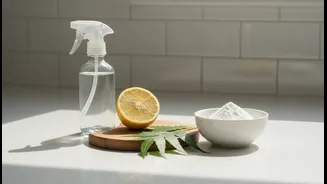
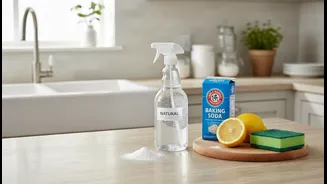
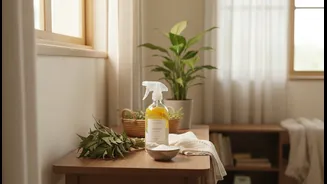
White vinegar is a powerful, natural cleaning agent thanks to its acetic acid content, which is effective against mould and mildew. For an all-purpose surface cleaner, mix equal parts white vinegar and water in a spray bottle. Use this solution to wipe down kitchen counters, bathroom tiles, and window sills to remove grime and help prevent mould growth. To combat musty smells in your refrigerator, wipe the interior with this solution. It is also effective for disrupting the scent trails that ants use to navigate, making it a useful tool against indoor ant lines. A word of caution: due to its acidic nature, avoid using vinegar on natural stone surfaces like marble or granite.
Baking Soda: The Deodorising & Dehumidifying Hero
Baking soda (sodium bicarbonate) is a master of absorption, making it perfect for fighting monsoon dampness and odours. To combat musty smells in wardrobes and cabinets, place a small, open bowl of baking soda inside to absorb moisture and odours. You can also sprinkle it on carpets and rugs, let it sit for about 15 minutes to absorb smells, and then vacuum it up for a quick refresh. For stubborn grime on sinks or tiles, create a thick paste with baking soda and a little water. Apply the paste, let it sit, and then scrub away. This gentle abrasive is tough on dirt but safe for most surfaces.
Neem: Nature's Disinfectant and Pest Repellent
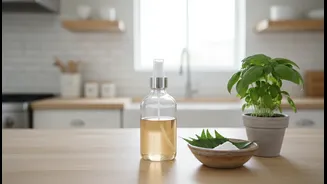
Neem has been a cornerstone of traditional Indian households for generations, prized for its potent antibacterial, antifungal, and antiseptic properties. During the monsoon, it's an excellent natural disinfectant and pest repellent. To create a floor-cleaning solution, boil a handful of neem leaves in water, let it cool, and then add the strained liquid to your mopping water. This not only cleans your floors but also helps deter common monsoon pests. A diluted neem solution can also be sprayed on walls and in corners prone to mould to inhibit growth. For garden plants troubled by pests that thrive in wet weather, a spray made from neem oil can be highly effective.
Simple Recipes for a Fresher Home
Combining these ingredients can create even more powerful cleaning solutions. For slow-moving drains, a common issue in the rainy season, pour about half a cup of baking soda down the drain, followed by a cup of vinegar. The fizzing reaction helps to dislodge buildup. Follow with hot water to flush it all out. For a general-purpose disinfectant spray, mix neem-infused water with a quarter cup of white vinegar in a spray bottle. To deodorize upholstery, lightly sprinkle baking soda, let it sit for 30 minutes, and vacuum it up. Always remember to test any cleaning solution on a small, inconspicuous area first.
Prevention Is Better Than Cleaning
While these cleaning hacks are effective, preventing moisture buildup is the best strategy. Whenever there’s a dry spell, open windows to allow for cross-ventilation and let fresh air circulate. Check for and seal any cracks in walls or around windows to prevent water from seeping in. Wiping down damp walls and floors promptly can also make a huge difference. Small adjustments, like not leaving wet clothes in a pile and ensuring your trash cans have tight lids, can help reduce the conditions that attract pests and mould.