


A Bold New Culinary Chapter
Walk into a trendy café in Delhi or Bengaluru today, and you might notice something different on the menu, nestled between the avocado toast and cold brew. It might be a dip with a surprising, smoky kick or a noodle bowl with an intensely savoury broth
that’s hard to place but impossible to forget. These bold new flavours are often thanks to a growing appreciation for ingredients from Northeast India. For years, the region's culinary treasures remained relatively unknown to the rest of the country. Now, chefs and food entrepreneurs are looking homeward, celebrating indigenous ingredients that have been staples in Naga, Khasi, and Assamese kitchens for generations. This shift is bringing the legendary Bhut Jolokia chilli and pungent fermented products like Axone to the forefront of modern Indian cuisine.
More Than Just Fiery Heat
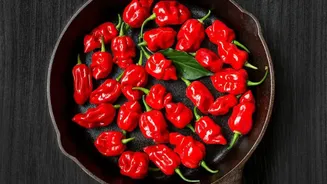
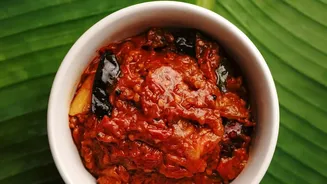
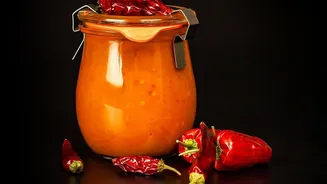
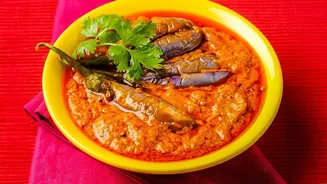
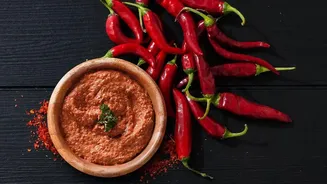
When people hear ‘Bhut Jolokia’, they think of extreme heat. Famously known as the ghost pepper, it held the title of the world's hottest chilli for years, with a Scoville rating that can exceed one million units. But to focus only on its spiciness is to miss the point. Beneath the fire, the Bhut Jolokia has a complex, almost fruity and smoky flavour profile that makes it a versatile culinary ingredient, not just a gimmick for spicy challenges. Traditionally used in Northeast India to add a fiery twist to curries, pickles, and chutneys, it’s now being used with a lighter touch in urban kitchens. Chefs are infusing it into oils, blending it into sauces for wings or sandwiches, and even adding a hint to chocolate desserts and cocktails, harnessing its unique flavour without overwhelming the palate.
The Funky Magic of Fermentation
Perhaps even more exciting is the embrace of the Northeast's fermented condiments. Ingredients like Axone (or Akhuni) from Nagaland and Tungrymbai from Meghalaya are transforming dishes with their powerful umami character. Made from fermented soybeans, these condiments have a strong, pungent aroma that can be an acquired taste, but their flavour contribution is immense. Fermentation is a traditional method of preservation in the region, used for everything from soybeans and bamboo shoots to fish and leafy greens. These ingredients, like Axone, Anishi (fermented taro leaves), and Khorisa (fermented bamboo shoot), add a savoury depth that is entirely unique. In the past, these flavours were rarely experienced outside their home states, but now they are being celebrated for their complexity.
From Traditional Kitchens to Modern Menus
The integration of these ingredients into café menus is happening in creative ways. A Naga chef might turn Axone into a sophisticated spice rub for grilled meats or a vinaigrette for a salad. A Meghalayan chef in a major city might introduce diners to Tungrymbai, a fermented soybean paste often cooked with pork, by serving it on toast, just as they ate it as a child. You might find Bhut Jolokia infused into a chocolate gelato, or fermented bamboo shoot adding a tangy note to a pork curry in a trendy Goa eatery. These chefs are acting as cultural translators, taking familiar dishes from their childhood and reinterpreting them in a way that is accessible to a wider audience, without losing the soul of the ingredients. The goal is to familiarize diners with these powerful flavours, moving beyond stereotypes and showcasing the true diversity of Indian food.
A Shift Towards Authenticity
So, why is this happening now? Several factors are at play. There is a growing movement among Indian chefs to champion local, indigenous produce over imported ingredients. Diners, too, have become more adventurous, seeking out authentic, regional flavours beyond the standard restaurant fare. The popularity of food-focused travel and social media has also helped to shine a spotlight on the rich, diverse cuisines of the Northeast. This isn't just about adding a spicy chilli to a dish for shock value; it's a deeper, more meaningful engagement with India's own culinary heritage. It marks a turn away from a single, monolithic idea of "Indian food" and towards a celebration of its many distinct regional identities.