

The Foundation of Stillness
Every complex yoga posture is built on a simple foundation, and for standing balances, that foundation is Tadasana, or Mountain Pose. It may seem like just standing, but it is an active pose that teaches alignment and groundedness. From here, we cultivate
the stability that makes balancing on one foot possible. Before attempting to lift a foot high off the ground, practitioners can build confidence by simply shifting their weight from one foot to the other. Another preparatory step is to practice with a 'kickstand', placing the toes of the lifted foot on the floor for support while the heel rests on the standing ankle. This modification allows the body to learn the alignment and engage the correct muscles without the immediate fear of falling. Finding a drishti, or a fixed focal point in front of you, is also critical. A steady gaze helps calm and focus the mind, which directly translates to a steadier body.
From Physical Stability to Mental Calm
The connection between physical balance and mental state is profound. When your body feels unstable, your nervous system can register this as being unsafe, creating a feedback loop of anxiety and wobbling. Conversely, achieving even a small moment of physical stability sends a powerful signal of safety and control to the brain. This process builds confidence from a somatic, felt sense, rather than just from a thought. Each successful, wobble-free breath in a simple balance exercise reinforces the idea that you are capable and secure. Wobbling itself is a key part of the process, as it's the body's way of making micro-adjustments to find its center. Learning to breathe through these wobbles instead of tensing up against them is a lesson in resilience that extends far beyond the yoga mat.
Entering Vrikshasana With Confidence
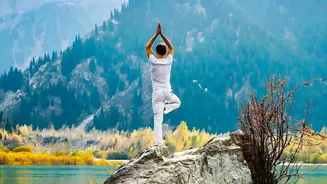
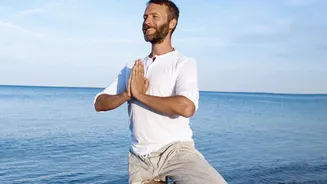
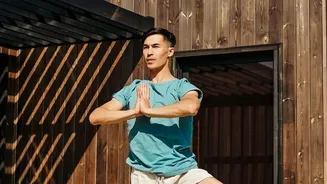
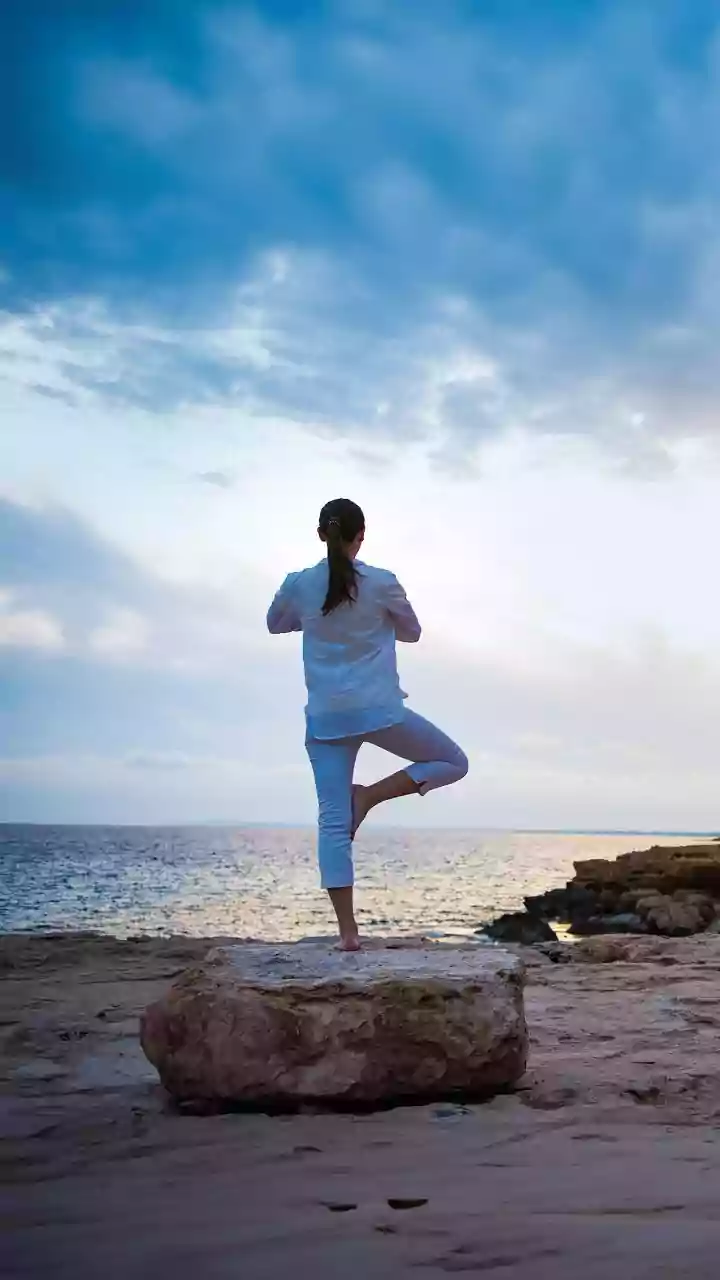
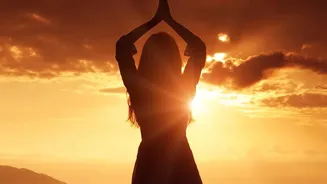
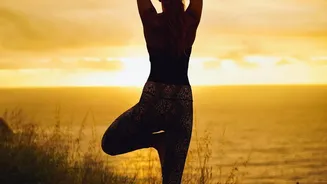
With a foundation of stability, you can approach Tree Pose with curiosity rather than apprehension. Start by shifting your weight onto one leg, keeping the standing leg strong but not locked. Bend the other knee and place the sole of the foot on your inner ankle or calf—always avoiding placing pressure directly on the knee joint. Press the foot into the leg and the leg back into the foot to create a stable, active connection. Many beginners feel pressure to lift the foot to the inner thigh immediately, but holding the pose with the foot on the calf is a full and beneficial expression of Vrikshasana. Bringing the hands to a prayer position at the heart center can help maintain focus. This initial shape strengthens the ankles, thighs, and core while gently opening the hips.
Growing Your Branches: Exploring Variations
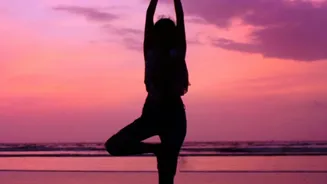
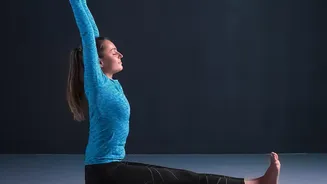
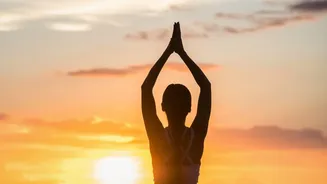
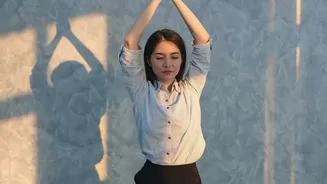
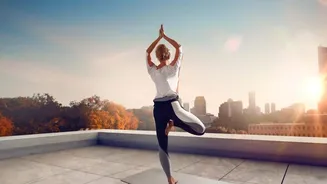
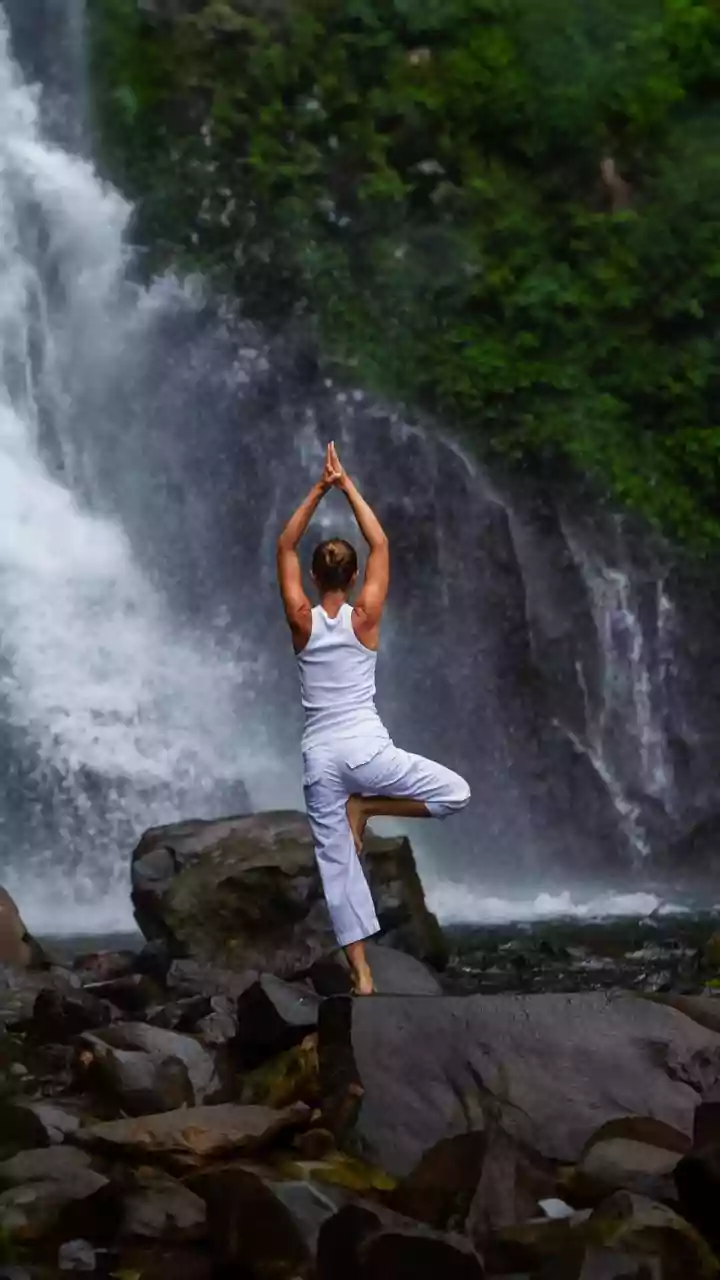
Once you feel confident and steady with your foot on the calf, you can explore other variations. The next step is often to slide the foot up to the inner thigh, deepening the hip opening. From there, the arms, like branches, can grow. Raising the arms overhead, either together in a prayer or apart, challenges your balance further by changing your center of gravity. More dynamic variations can add another layer of challenge and benefit. A 'Windy Tree' involves allowing the arms to sway gently, which requires the core and standing leg to work harder to maintain stability. Another variation is to introduce a side bend, reaching one arm up and over, to stretch the side body while maintaining the pose's foundation. These are not 'more advanced' in a hierarchical sense, but different ways to explore your body's capabilities.
The Goal Is the Journey, Not the Pose
For experienced practitioners, variations like Half Lotus Tree Pose (Ardha Padma Vrikshasana) offer a deeper hip-opening challenge. Some even practice with their eyes closed to remove visual input and rely entirely on proprioception—the body's internal sense of its position in space. However, the aim of yoga is not to achieve the most difficult version of a pose. The true practice lies in the mindful attention you bring to each movement and each breath. The confidence gained from mastering a simple one-legged stand is the same confidence that allows for exploration into more complex shapes. It's a reminder that stability, both physical and mental, is not about forcing stillness but about gracefully adapting to movement and finding your center again and again.