





The Modern Obsession with Gut Health
Suddenly, everyone is talking about their gut. This growing awareness of the gut microbiome—the trillions of bacteria living in our digestive system—is a primary driver behind fibre's renewed fame. Nutritionists describe fibre as the essential fuel for
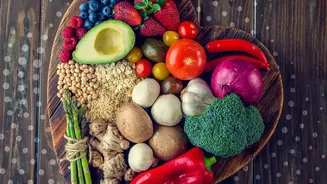
our gut. Unlike other nutrients, fibre passes through the digestive system largely intact until it reaches the large intestine, where it feeds beneficial bacteria. A healthy gut microbiome is linked to everything from improved digestion and a stronger immune system to better mental health. As people seek ways to nurture this internal ecosystem, fibre has emerged as a non-negotiable hero. A diet rich in fibre promotes a diverse and flourishing population of good bacteria.
The Quest for Stable, All-Day Energy
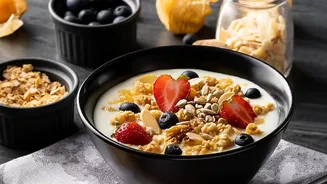
If you're tired of the mid-morning energy crash, a high-fibre breakfast might be the solution. Unlike breakfasts high in refined carbohydrates and sugar that cause a rapid spike and subsequent fall in blood glucose, fibre-rich meals slow down digestion. This gradual process ensures a slow, steady release of energy, keeping you feeling full and focused for hours. This is particularly crucial in managing and preventing conditions like type-2 diabetes, a significant health concern in India. By helping to regulate blood sugar levels, a fibre-forward breakfast prevents the energy rollercoaster and reduces cravings for unhealthy snacks between meals.
A Smarter Approach to Weight Management
Fibre's role in weight management is another key reason for its resurgence. Foods high in fibre add bulk to your meals and take longer to digest, which promotes a feeling of fullness, or satiety. When you feel full for longer, you are less likely to overeat or reach for calorie-dense snacks throughout the day. This simple mechanism makes fibre a powerful ally in achieving and maintaining a healthy weight. Studies show that a high-fibre diet is associated with lower body weight, and starting the day with fibre sets a positive tone for the rest of your meals.
Rediscovering Traditional Indian Wisdom
The trend is also fuelled by a return to traditional Indian foods, which have always been naturally rich in fibre. Many are realizing that they don't need expensive, imported superfoods to meet their fibre goals. Classic Indian breakfasts like poha, upma made from millets or broken wheat (dalia), moong dal chilla, and ragi dosa are packed with fibre and other essential nutrients. As people move away from ultra-processed breakfast options, they are rediscovering the benefits of these familiar, wholesome meals that have been part of our culture for generations. This shift represents a broader movement towards eating whole, unprocessed foods that are both comforting and nutritionally sound.
Easy, Modern Ways to Boost Fibre
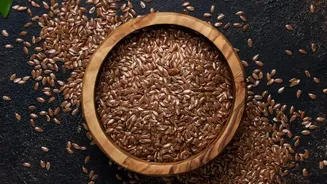
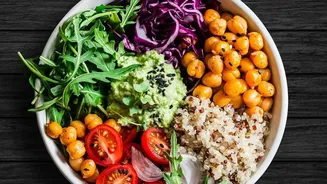
Making a fibre-rich breakfast has never been easier, even with a busy lifestyle. Beyond traditional recipes, modern twists are making it more accessible. Simple additions like sprinkling chia or flaxseeds over your meal, adding a handful of nuts, or incorporating sprouted lentils can significantly boost fibre content. Overnight oats, smoothies packed with fruits and vegetables, and even avocado on whole-grain toast are popular, quick options. The key is understanding that small, intentional swaps—like choosing ragi idli over rice idli or adding vegetables to your upma—can make a big difference without requiring a complete overhaul of your morning routine.