




What 'Eco-Camping' Really Means
Forget what you think you know about camping. This isn't about roughing it with a flimsy tent and a packet of instant noodles. Eco-camping in Wayanad is a thoughtful, curated experience designed to immerse you in nature with minimal impact. The 'eco'
prefix is key; it signifies a commitment to sustainability. This means accommodations are often built with locally sourced, natural materials. Power might come from solar panels, water is conserved, and waste is rigorously segregated and minimized. Many campsites actively discourage single-use plastics and encourage guests to be mindful of their footprint. It’s less about survival and more about symbiosis—living alongside the environment, not just in it. The goal is to leave the pristine landscape exactly as you found it, taking only memories and photographs.
Why Wayanad Is The Perfect Backdrop
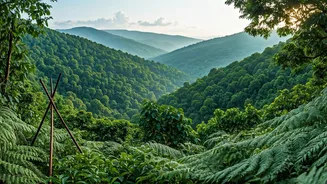
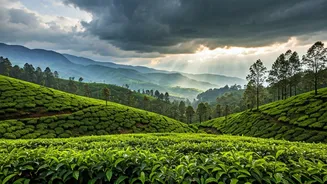
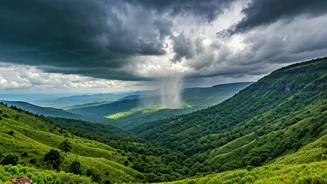
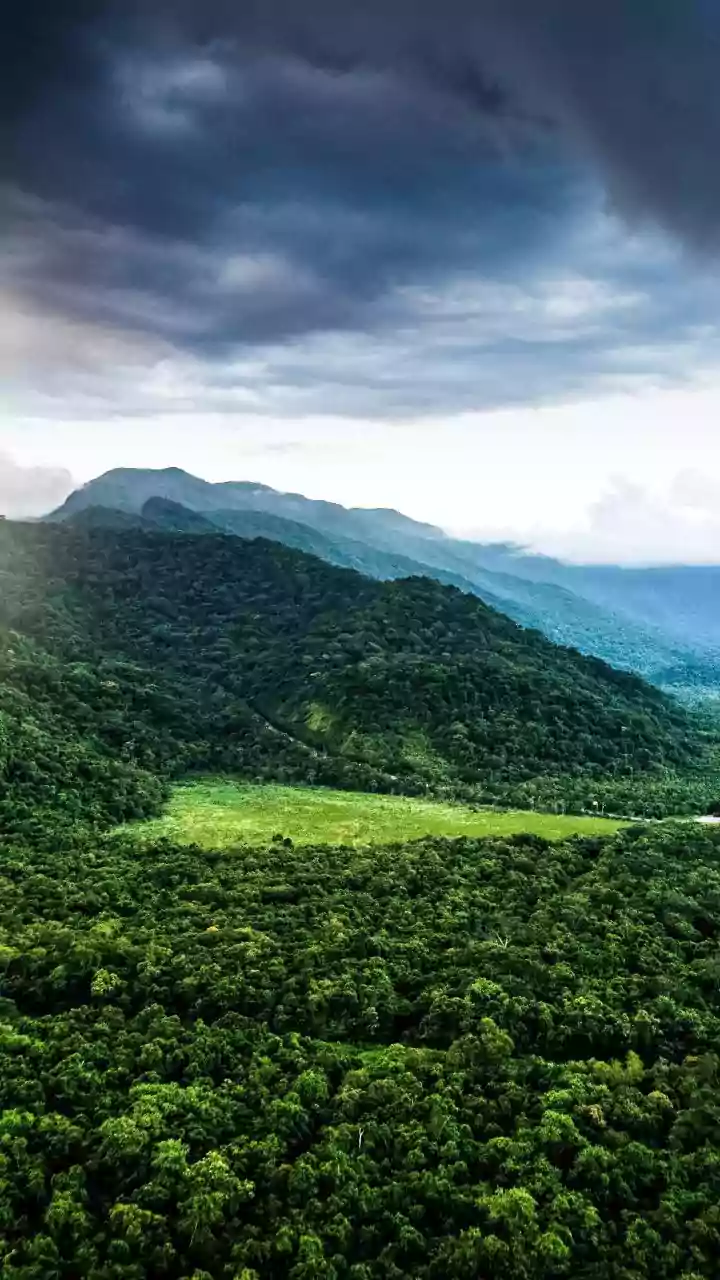
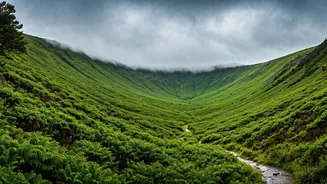
Nestled in the Western Ghats, Wayanad is a land of breathtaking contrasts. Its name is believed to mean 'land of paddy fields' (Vayal Nadu), and you’ll see them carpeting the valleys, but the region is so much more. Think rolling hills draped in a velvet-like cloak of tea and coffee plantations, dense forests echoing with the calls of exotic birds, and mist that descends in the evenings to create an ethereal atmosphere. This rich biodiversity makes it a perfect destination for nature lovers. From the heart-shaped lake on Chembra Peak to the ancient Edakkal Caves and cascading waterfalls like Soochipara and Meenmutty, Wayanad offers a dramatic and ever-changing landscape. Camping here means you’re not just visiting these sights; you are living within the postcard, with the region’s natural soundtrack as your constant companion.
Your Offbeat Home Under The Stars
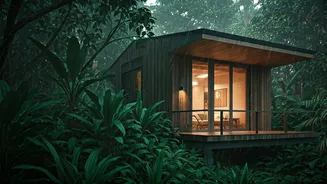
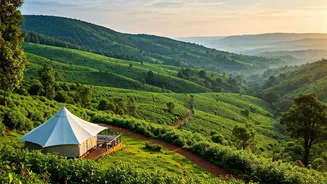
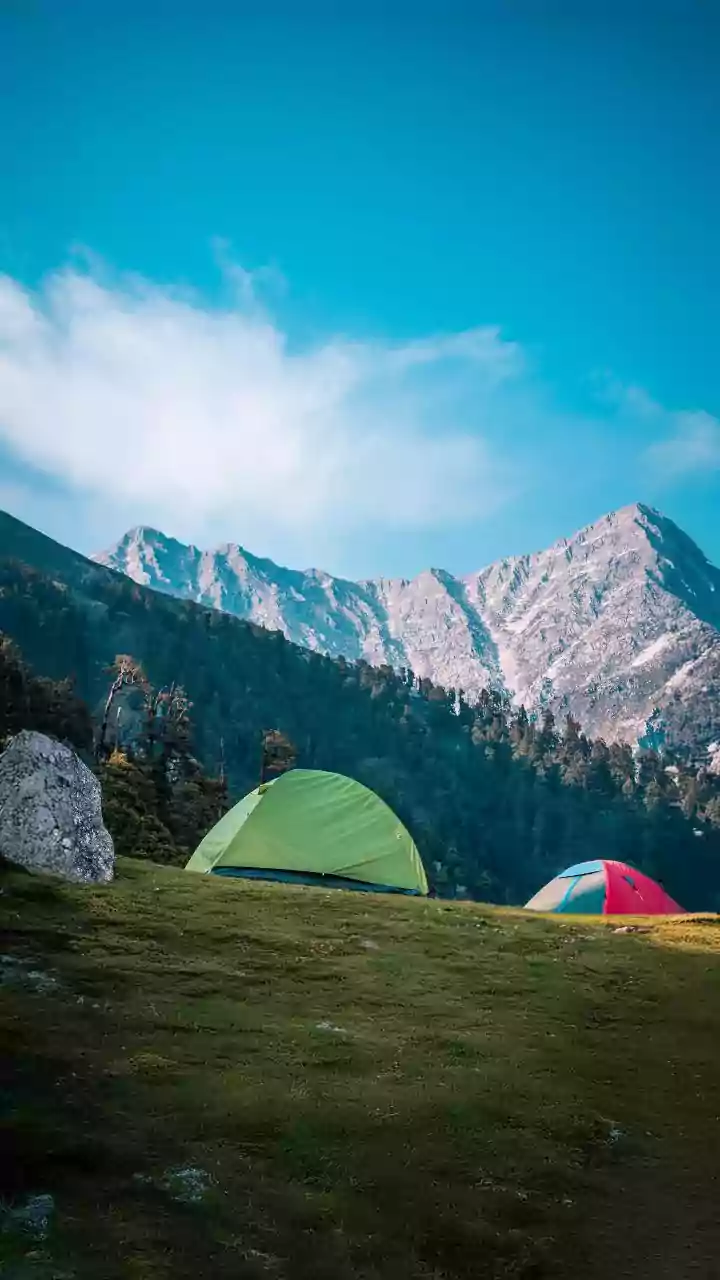
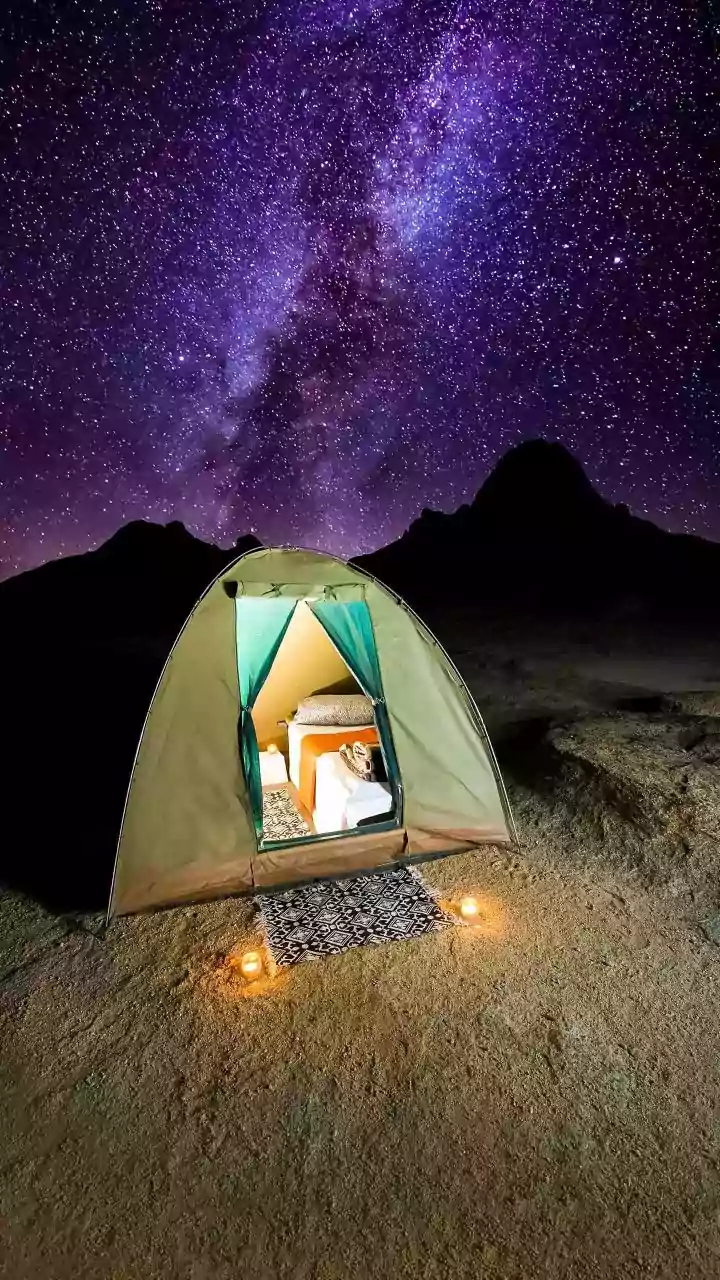
The 'offbeat' part of the experience lies in the accommodation. While comfortable tents are a popular option—often set up on raised platforms with proper bedding—many eco-camps go further. You might find yourself staying in a rustic treehouse perched high in the canopy, offering panoramic views of the valley below. Others offer stays in charming mud huts, which remain naturally cool, or repurposed farm buildings that blend seamlessly into the landscape. These stays are often part of larger estates or farms, meaning you are far from the typical tourist crowds. The focus is on privacy, tranquillity, and authenticity. You won't find bustling lobbies or room service menus. Instead, you get clear, star-filled skies, the gentle chirping of crickets, and a deep sense of peace.
Activities Beyond the Bonfire
While a crackling bonfire at night is a quintessential part of the camping experience, the days are packed with opportunities for exploration. Most eco-campsites are gateways to a host of activities. You can embark on guided treks through spice plantations, learning to identify cardamom, pepper, cloves, and cinnamon growing in their natural state. Morning bird-watching tours are a must for enthusiasts, with Wayanad being home to hundreds of species. For the more adventurous, there are challenging hikes to viewpoints that offer stunning rewards. Many hosts also facilitate interactions with local communities, offering a glimpse into the region’s culture, cuisine, and way of life. You can learn about traditional farming practices, try your hand at preparing a local dish, or simply share stories with the people who call these hills home.
Packing for a Green Getaway
Packing smart is essential for a comfortable and responsible trip. First, sturdy walking shoes are non-negotiable for navigating the uneven terrain. Evenings can get chilly, especially after a rain shower, so packing light woollens or a fleece jacket is wise. Given the tropical climate, lightweight, quick-drying clothes are ideal for daytime activities. Most importantly, think sustainably. Bring a reusable water bottle to refill and avoid buying plastic bottles. Pack a small backpack for your day treks to carry essentials. A good quality, eco-friendly insect repellent is also a good idea. Finally, what to leave behind is just as important: leave single-use plastics, loud speakers, and your city stress at home. The point is to disconnect from the noise and reconnect with nature.