






Why Your Windowsill is Prime Real Estate
For many city dwellers, the idea of a garden seems like a distant dream. Yet, the new wave of micro-gardening is turning this notion on its head by transforming overlooked nooks into green, productive spaces. Windowsills are at the forefront of this movement.
They are space-efficient, receive ample sunlight, and are incredibly accessible. A windowsill garden brings nature indoors, which can help reduce stress and improve your mood. Furthermore, it provides the unparalleled joy of harvesting fresh, chemical-free ingredients right in your kitchen, saving you money on groceries and reducing food waste. This simple act of cultivating plants in a small space connects you to nature and promotes a healthier lifestyle.
The Essentials for Getting Started
Starting a windowsill garden is surprisingly simple and requires only a few basics. First, assess your light. Most edible plants, especially herbs, need at least four to six hours of sunlight per day, making a south or west-facing window ideal. Next, choose your containers. Terracotta pots, recycled plastic containers, or long window boxes all work well, provided they have drainage holes to prevent root rot. For soil, it is best to use a high-quality potting mix rather than soil from outdoors, as it is lighter and has the right nutrients for container plants. Finally, have a plan for watering. The soil should be kept consistently moist but not soggy. Placing a tray under your pots can protect your windowsill from water damage.
Best Plants for an Indian Windowsill
The beauty of a windowsill garden is its versatility. You can grow a surprising variety of plants that are perfectly suited to Indian climates and kitchens. For a beginner, starting with seedlings is often more rewarding than seeds. Herbs are a fantastic starting point. Plants like tulsi (holy basil), pudina (mint), and dhania (coriander) are easy to maintain and thrive in pots. They provide a constant supply for your daily cooking needs. Other great options include curry leaves, ajwain (carom), and lemongrass. Beyond herbs, you can also grow vegetables. Cherry tomatoes, green chillies, and leafy greens like palak (spinach) and methi (fenugreek) can be successfully cultivated in deeper pots. For a splash of colour, consider flowering plants like marigolds or petunias, which do well in sunny spots. Microgreens are another excellent choice, as they are nutrient-dense and can be harvested in just a couple of weeks.
Common Mistakes and How to Avoid Them
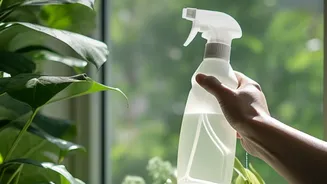
While windowsill gardening is beginner-friendly, a few common issues can arise. Overwatering is perhaps the most frequent mistake; a good rule is to water only when the top inch of soil feels dry. Insufficient light is another challenge. If your plants look 'leggy' or stretched, they are likely not getting enough sun. Rotating the pots can help ensure all sides get light. Pay attention to your plant choices—not all plants are suited for the potentially intense heat of a south-facing window. Pests can sometimes be an issue indoors, but they can often be managed with natural solutions like neem oil spray. Finally, don't overcrowd your pots. Give each plant enough space to grow to its full potential.