





The Real Numbers: Creation vs. Displacement
The 10.6 million new jobs figure is only half the story. The same Gartner forecast, presented in November 2026, also projects that AI will eliminate 8.9 million jobs during the same period. This results in a net gain of 1.7 million jobs globally by 2030.
While positive, this net increase paints a picture not of a simple job boom, but of a massive, churning transformation. The real impact of AI, according to Gartner, is less about a jobs apocalypse and more about a fundamental reinvention of how we work. The analysis suggests that leading organizations are not just using AI to cut headcount, but as a catalyst to innovate operations and rebalance their workforce with new technological capabilities.
The Hidden Impact of 'Deferred' Jobs
Beyond creation and elimination, Gartner identifies a third, more subtle category: deferred jobs. These are positions that companies postpone creating due to the anticipation of AI-driven productivity gains. In 2026 alone, an estimated 1.3 million hires were put on hold. Cumulatively, Gartner expects more than 5 million people worldwide will experience such hiring delays by 2030. This trend is expected to hit entry-level workers the hardest, as companies wait to see how AI can fill workforce gaps before committing to new, junior roles. This doesn't mean these jobs are lost forever; many may be hired after a delay of 12 to 24 months, but it signals a significant near-term friction in the labour market.
Where the Jobs Will (and Won't) Be
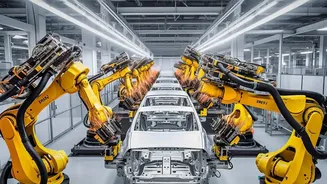
The impact of AI will be distributed unevenly across sectors. The technology industry itself is forecast to be the biggest winner, with a net gain of 1.5 million jobs by 2030 (1.9 million created versus 400,000 lost). This highlights the resilience of the tech sector and the growing demand for people who can build, manage, and orchestrate AI systems. In contrast, the public sector is projected to see a net loss of 500,000 jobs. Asset-intensive industries like manufacturing are expected to have a near-even churn, with 6.4 million jobs created and 6 million lost. This underscores the importance of not applying a one-size-fits-all lesson across different industries.
The Great Job Transformation
Perhaps the most significant number in the entire forecast is not about jobs created or lost, but about jobs changed. Gartner projects that by 2030, over 20% of the global workforce—some 435.5 million people—will have their roles transformed by AI. This means their day-to-day tasks, responsibilities, and workflows will fundamentally change. The focus is shifting from job titles to the actual work that creates value. New roles emerging include AI training specialists, ethics and governance officers, and prompt engineers who design human-AI interactions. For most workers, AI will become a tool that augments their capabilities, much like spreadsheets revolutionised accounting without eliminating all accountants.
The Skills Imperative for 2030
The key takeaway from Gartner's forecast is the urgent need for adaptation and reskilling. The jobs of the future will require a blend of domain expertise and AI literacy. While traditional roles like 'computer programmer' may decline, demand is surging for software and AI engineers who can manage complex AI systems. The core impact of AI lies in changing how work is done, demanding new skills related to critical thinking, creativity, and human-AI collaboration that current systems cannot replicate. As companies reorganise work around outcomes rather than rigid job descriptions, the most valuable employees will be those who can adapt, learn, and leverage AI to enhance their productivity and innovate within their roles.