




Long before 'sustainability' became a buzzword, Indian households perfected the art of giving textiles a second life. This is the story of how cherished old saris are transformed into stunning handmade quilts and rugs, stitch by loving stitch.
The Soul of a Sari
In India,
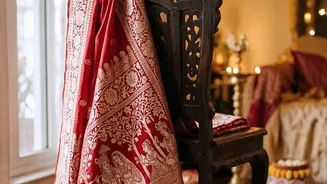
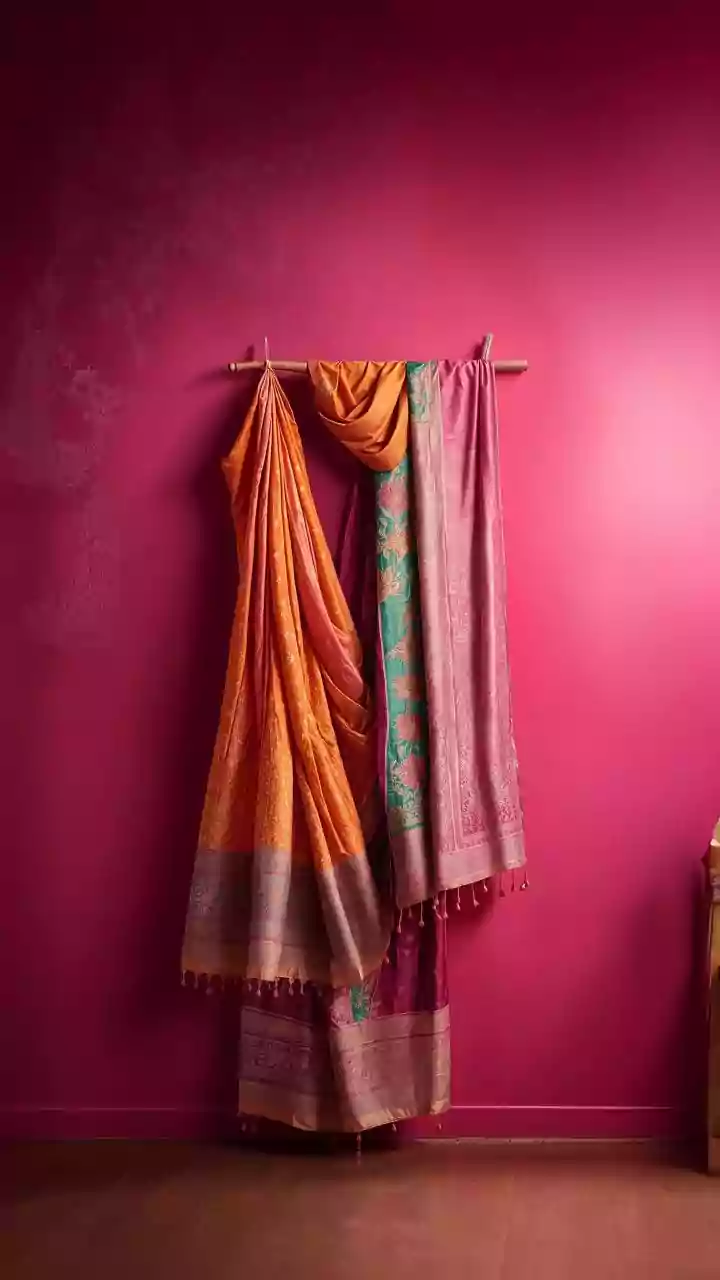
a sari is never just six yards of fabric; it's a vessel of memory, culture, and personal history. Worn for weddings, festivals, and daily life, these garments absorb the stories of the women who wear them. When a sari becomes too worn to be draped, it is rarely discarded. Instead, it begins a new journey. This tradition of upcycling is born from a deep-rooted philosophy of resourcefulness and respect for materials, turning what is old into something new and functional without losing its sentimental value. This practice has been a quiet cornerstone of sustainable living for centuries, long before it became a global trend.
The Art of Kantha: A Stitch in Time
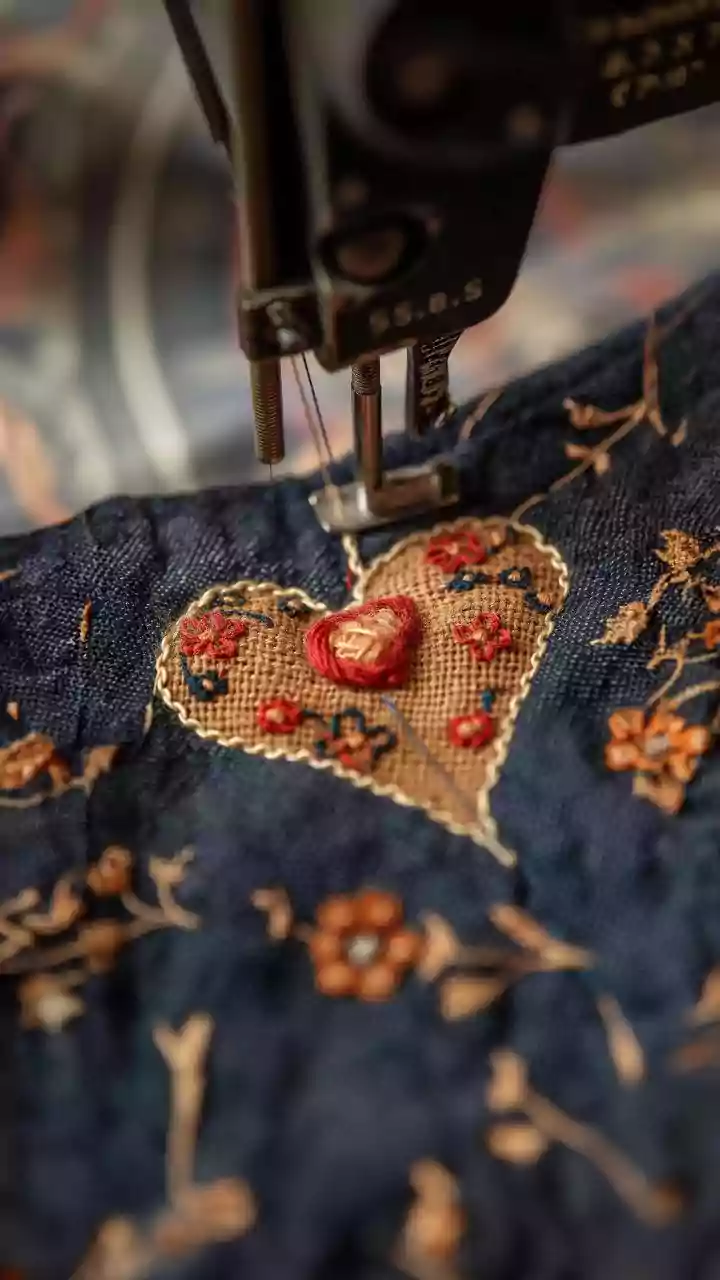
Perhaps the most famous craft associated with upcycling saris is Kantha, which originated in the Bengal region. The word 'Kantha' is believed to be derived from the Sanskrit 'kontha', meaning rags. Traditionally, women would layer several old cotton or silk saris and stitch them together with a simple, yet elegant, running stitch. This signature stitch not only binds the layers to create a soft, lightweight quilt but is also used to embroider intricate motifs like flowers, birds, and scenes from mythology or daily life. What started as a way to make warm blankets has evolved into an celebrated art form, with Kantha finding its way into modern fashion and home décor.
Gudri, Godhadi, and Other Regional Wonders
While Kantha is iconic, similar traditions thrive across India, each with its own name and distinct character. In Rajasthan and Uttar Pradesh, old fabrics are stitched into 'Gudri' or 'Gudhari' quilts. In Maharashtra, they are known as 'Godhadi', where making these multi-coloured quilts from old clothes was often a communal activity for the women of the household. Gujarat is known for its vibrant 'Chindi' rugs, woven from fabric scraps. Though the names change, the core principle remains the same: layering worn textiles and meticulously hand-stitching them to create something that offers warmth, comfort, and beauty. These crafts showcase the incredible diversity of India's textile heritage.
From Wardrobe to Workshop: The Process
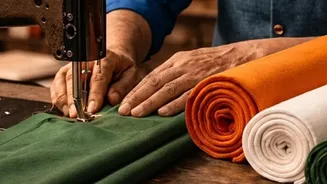
The transformation from sari to quilt is a meticulous, hands-on process. First, artisans carefully select vintage saris, often from markets, looking for soft cottons and silks with compatible colours and patterns. The fabrics are thoroughly washed and any embellishments are removed. Several layers—typically between three and seven—are then stacked. The most beautiful saris are often chosen for the outer layers. The layers are pinned or basted together, and then the artisan begins the painstaking work of hand-stitching. A single Kantha quilt can take an artisan anywhere from 11 to 14 days to complete, with hundreds of lines of running stitches breathing new life and strength into the old fabric.
A New Chapter in Modern Homes
Today, these handmade textiles are more than just a nod to tradition; they are a conscious choice for modern consumers. In a world grappling with the impact of fast fashion, upcycled sari quilts and rugs offer a sustainable alternative that is both beautiful and ethical. Each piece is unique, carrying the faint echoes of its past life and the skilled touch of the artisan who made it. These items bring a story into the home, connecting the owner to a rich legacy of craftsmanship and resourcefulness. By choosing these products, consumers not only acquire a one-of-a-kind textile but also support the livelihoods of artisan communities, ensuring these timeless skills are passed down to future generations.