








The Science of a Post-Meal Stroll
When you eat, especially a meal rich in carbohydrates, your body breaks it down into glucose, which enters your bloodstream. This causes your blood sugar levels to rise. In response, your pancreas releases insulin to help transport that glucose into your cells
for energy. A short walk after a meal works wonders by activating your muscles, particularly the large ones in your legs. These muscles act like sponges, pulling glucose directly from your bloodstream for fuel, a process that doesn't rely heavily on insulin. This helps to flatten that post-meal glucose spike, preventing the sharp highs and subsequent energy crashes that can leave you feeling lethargic. Essentially, you are using the food you just ate as immediate fuel, which helps keep your blood sugar and insulin levels more stable.
More Than Just Blood Sugar
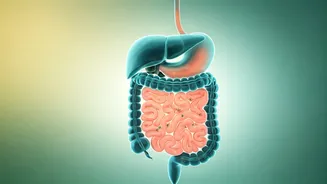
While blood sugar regulation is a primary benefit, the advantages don't stop there. A gentle walk stimulates your stomach and intestines, helping food move through your digestive system more efficiently. This can lead to a noticeable reduction in common discomforts like bloating, gas, and that overly full feeling. Regular post-meal walks also contribute to better cardiovascular health by supporting healthy blood pressure and improving circulation. Activating your calf muscles, sometimes called the body's "second heart," helps pump blood back toward your upper body, which can reduce leg heaviness. Over time, this simple habit can play a role in weight management by contributing to a daily calorie deficit and improving your overall metabolism.
Timing Is Everything
To get the most metabolic benefit, timing is key. Research suggests that starting your walk shortly after you finish eating is most effective for managing blood sugar. The peak for blood sugar rise typically occurs between 30 to 90 minutes after a meal. By walking within that window, you intercept the glucose as it enters your bloodstream. Many experts recommend starting your walk within 15 to 30 minutes of your last bite. If you experience any stomach discomfort, like cramps, it's perfectly fine to wait about 10 to 15 minutes before you start. The goal is to move before the glucose peak, so sooner is generally better.
How Long and How Fast?
You don't need to embark on a strenuous hike to reap the rewards. Studies have shown that even a short, light-intensity walk can make a significant difference. A walk of just 10 to 15 minutes is often enough to lower post-meal glucose spikes. In fact, some research indicates that a 10-minute walk immediately after eating can be as effective for blood sugar control as a 30-minute walk taken later. The intensity should be low to moderate—a gentle stroll at a comfortable pace is perfect. You shouldn't be out of breath. The idea is to aid your body's processes, not to put it under additional stress while it's busy digesting.
Making the Walk a Habit
Incorporating this into your routine can be simple. Think of it not as another chore, but as a relaxing transition from your day to your evening. You could walk around the block, explore a nearby park, or even just pace around your home. Putting on a favourite podcast or calling a friend can make the time fly by. If you have a busy schedule, even a five-minute walk is better than none. The consistency of the habit is more important than the duration of any single walk. Start small and find what feels good for you. Pairing the walk with a daily event like dinner makes it easier to remember and stick with for the long term.