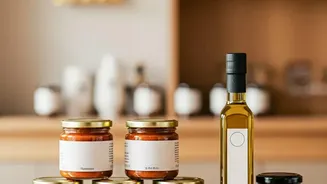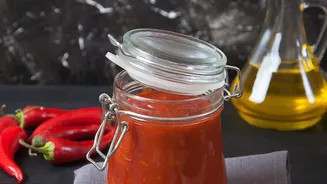


Tired of the same old dal and sabzi? A culinary shift is happening in city kitchens. Home cooks are ditching generic sauces for unique, regional condiments, finding that a single spoonful can transform a simple meal into a flavour adventure.
The Quest for Authentic Flavours
In the bustle
of modern urban life, there's a growing craving for authenticity. This has sparked a quiet revolution in Indian kitchens, where home cooks are rediscovering the power of their own culinary heritage. Instead of reaching for a bottle of ketchup, they're exploring a vast and flavourful world of heirloom condiments that have been passed down through generations. This trend is driven by a desire to connect with regional roots and a rejection of one-note, mass-produced tastes. Small-batch producers and artisanal brands are playing a vital role, making hyper-local pickles, sauces, and spice blends accessible to a wider audience through online stores and farmers' markets. It's a movement that celebrates indigenous produce and the rich, complex flavours that define India's diverse food map.
From the East: The Pungent Power of Kasundi
One of the stars of this condiment revival is Kasundi, Bengal's fiery, fermented mustard sauce. Far more pungent and complex than your average table mustard, traditional Kasundi has a sharp, nose-tingling heat that can elevate anything it touches. While traditionally served sparingly with greens, modern cooks are using it as a versatile dip for fried snacks like samosas and pakoras, a zesty spread for sandwiches, or a marinade for paneer and chicken. Artisanal versions often feature creative twists, such as Aam Kasundi (made with raw mango) or even fusions with pineapple. The core appeal remains its ability to deliver a powerful, tangy kick that instantly brightens up a dish.
From the Hills: Uttarakhand's Pisyu Loon
Travel north to the hills of Uttarakhand, and you'll find Pisyu Loon, or 'ground salt'. This is no ordinary seasoning. It’s a traditional condiment made by hand-pounding rock salt on a stone slab (a 'silbatta') with fresh herbs and aromatics like mint, coriander, garlic, and green chillies. Each household has its own treasured recipe, resulting in a coarse, moist, and intensely aromatic salt that carries the essence of the mountains. For generations, it has been the secret to making a simple plate of fruit or cucumber slices completely irresistible. Now, urban foodies are discovering its magic, sprinkling it on everything from salads and raita to roasted vegetables and parathas to add a layer of fresh, herbaceous flavour that table salt simply can't match.
From the South: The Enduring Charm of Avakaya
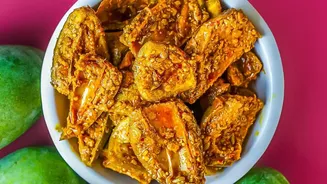
In Andhra Pradesh, summer is synonymous with the making of Avakaya, a legendary mango pickle that holds a special place in Telugu cuisine. The name itself gives away its hero ingredients: 'ava' (mustard) and 'kaya' (raw fruit). Made with sour, raw mangoes, a generous amount of freshly ground mustard powder, red chilli, and often garlic, this pickle is a masterclass in balancing spicy, sour, and pungent flavours. For many, the ultimate comfort food is a mouthful of hot rice mixed with ghee and a spoonful of Avakaya. As this and other regional pickles, like those from women-run collectives in Nagaland featuring bamboo shoot or the famed Bhut Jolokia chilli, become available online, home cooks can now easily access these storied flavours.