







A Bottleneck at 11,000 Feet
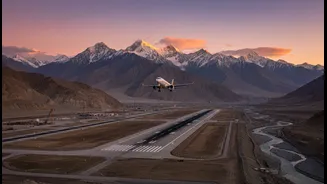
Perched at over 10,600 feet, Kushok Bakula Rimpochee Airport is the primary gateway to Ladakh, especially during the harsh winter months when high-altitude road passes are buried under snow. For tourists, soldiers, and locals alike, it is an essential
link to the rest of India. However, the existing terminal has long struggled to cope. Built for a different era, it is frequently overwhelmed by the surge in passenger traffic, which has grown to over a million annually. Limited space, few check-in counters, and exposure to extreme weather on the tarmac have often made for a chaotic and uncomfortable travel experience. Flight operations are typically restricted to morning hours due to strong afternoon winds, creating a compressed and congested schedule that leaves little room for delays or disruptions.
A Monumental Leap in Capacity
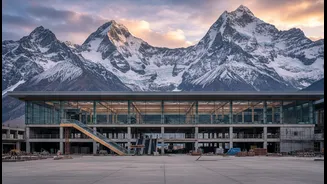
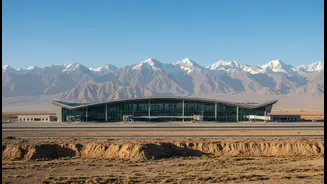
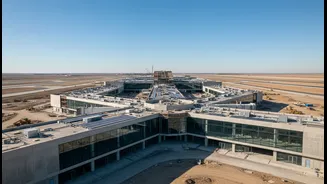
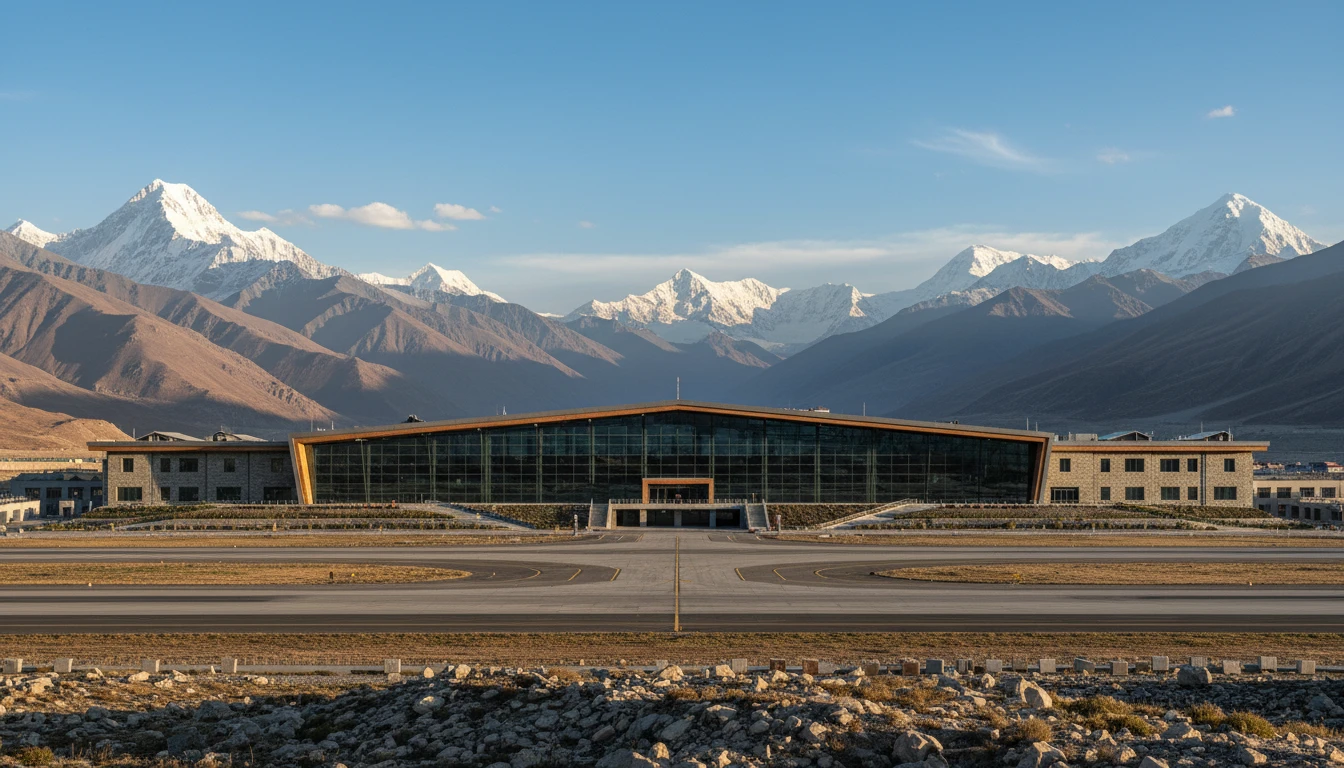
The upcoming terminal, a ₹480-crore project by the Airports Authority of India, represents a quantum leap. Spread over approximately 19,000 square metres, the new facility is designed to handle a much larger volume of passengers — estimates suggest a capacity of 2 to 3.5 million people annually. Recent updates from the Civil Aviation Ministry state the project is over 80% complete and, once operational, will triple the airport's flight handling ability from about 18 to 54 flights per day. This dramatic increase in capacity is aimed squarely at eliminating the bottlenecks that have plagued Leh’s air connectivity for years, allowing for more flights, better schedules, and a smoother flow of travellers.
All-Weather Operations and Modern Comforts
Perhaps the most significant upgrade is the introduction of aerobridges. For the first time, passengers at Leh will be able to board and deplane without being exposed to the freezing temperatures and biting winds common at that altitude. The new terminal will feature three aerobridges, a game-changer for all-weather reliability and passenger comfort. Inside, the terminal is being equipped with modern amenities, including numerous check-in counters, escalators, and an advanced baggage handling system. The building will also be centrally heated using a pioneering geothermal system, making it India’s first airport to be powered by a hybrid of geothermal and solar energy. This sustainable approach is crucial in the fragile Himalayan ecosystem.
More Than Just a Tourist Gateway
While boosting tourism is a key objective, the airport's expansion holds profound strategic importance. Leh is the logistical backbone for the Indian military in a sensitive border region, and the airport serves as an all-weather lifeline for supplying troops and equipment, particularly when roads are inaccessible. A more resilient and higher-capacity airport enhances the military's operational readiness. For the local population, improved connectivity means more reliable access to essential services, including medical care in other parts of the country. The expanded terminal is not just an infrastructure project; it's a move to strengthen Ladakh’s integration with the mainland, underpinning both national security and regional development.
A Design Rooted in Culture
The new terminal is also a nod to Ladakh's unique identity. Its architectural design is deeply inspired by local culture and Buddhist philosophy. The building's form reflects the iconic shape of a traditional Ladakhi stupa, a sacred mound-like structure. This thoughtful design ensures that the modern facility blends harmoniously with its ancient landscape, offering visitors an authentic glimpse of the region's rich heritage from the moment they arrive. By combining state-of-the-art technology with deep cultural reverence, the new terminal aims to be a gateway that is both highly functional and spiritually resonant, respecting the very environment it is built to serve.